
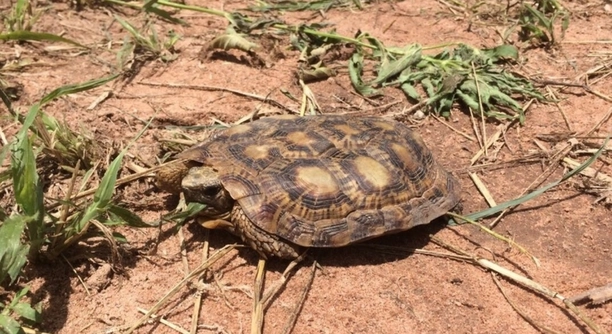
When it comes to keeping your pancake tortoise warm during the winter months, providing the right environment is key. These tortoises need warmth to stay healthy and active, and the cold can cause stress to their delicate systems.
The best way to ensure your pancake tortoise remains warm during winter is by using a combination of heat lamps, ceramic heaters, and maintaining a stable enclosure temperature. Ensure the basking area is warm, and monitor the overall humidity levels.
Making sure your tortoise stays comfortable is essential for its health. There are several simple solutions that can help maintain the perfect environment.
Create a Warm, Safe Environment
Keeping your pancake tortoise warm during winter requires careful attention to its habitat. One of the first steps is ensuring its enclosure provides a consistent temperature. Invest in a good-quality heat lamp or ceramic heater. These help mimic the warmth of the sun, which is essential for their digestion and overall well-being. Make sure the heat source is placed properly to avoid overheating or creating cold spots. For best results, measure the temperature regularly to make sure it’s within the appropriate range.
The ideal temperature for a pancake tortoise’s habitat should be around 80-85°F during the day. At night, it can drop to about 70°F without causing harm, but anything lower could stress the tortoise. A temperature gauge will be helpful to monitor changes and make adjustments.
Along with proper heating, humidity plays an important role in maintaining the right conditions. Keeping the air at 50-60% humidity will prevent dehydration and respiratory problems. Be mindful of the air quality as well, and avoid placing the enclosure in drafty or cold areas.
Heating Accessories Are Crucial
For your tortoise’s comfort, using accessories like heat mats and thermostats can help regulate the temperature more effectively.
A heat mat placed under the tank or enclosure floor provides warmth from below, which is beneficial for both basking and overall warmth. Pairing this with a thermostat to control the heat output ensures your tortoise’s space stays within a healthy range. Using these items in conjunction with heat lamps and ceramic heaters is the best way to replicate a comfortable environment. A careful balance of heat and humidity will keep your tortoise healthy and stress-free throughout the colder months.
Adjust Lighting for Optimal Warmth
Lighting is just as important as heat. Proper lighting helps your pancake tortoise regulate its body temperature. Make sure the light source provides both warmth and UVB rays to support calcium absorption and overall health.
A UVB light is essential for your tortoise’s vitamin D production, which helps with bone health. Use a 10-12 hour light cycle during the day to mimic natural sunlight patterns. Be cautious with the light placement—too close can cause overheating, while too far can reduce the effectiveness of the UVB rays. Regularly replace the bulbs as their effectiveness decreases over time.
Remember to turn off the lights at night to let your tortoise rest in a natural dark environment. This simple adjustment helps maintain a balanced day-night cycle, which is crucial for your tortoise’s health.
Insulate the Enclosure
Insulating your tortoise’s enclosure is an effective way to maintain warmth and avoid temperature fluctuations.
Use materials like foam board or insulating panels around the sides of the tank to prevent heat loss. If you’re using a wooden or plastic enclosure, consider adding extra layers inside to keep the heat consistent. Make sure the insulation doesn’t block ventilation or reduce airflow. Proper airflow is still needed to maintain a healthy environment.
Another option is to place the enclosure in a room that naturally stays warmer, such as near a radiator or in a well-insulated space. Keep in mind that the goal is to keep the area warm but avoid overheating, so balance is key.
Use a Heating Pad or Blanket
Heating pads and blankets are another great option to provide warmth for your pancake tortoise. Place them under the enclosure to keep the floor temperature regulated.
A heating pad should be used cautiously to avoid burns. Choose one with adjustable settings to maintain a comfortable temperature. You can also place a cloth or towel over the pad for extra protection. These options provide a steady heat source, especially for colder climates.
Provide a Hide with Extra Warmth
A hide is an important part of your tortoise’s environment. It provides a sense of security and also helps retain warmth.
Use materials like hay or soft bedding inside the hide to trap heat. This makes it easier for your tortoise to regulate its temperature. Ensure the hide is placed near the warmest area of the enclosure. This will give the tortoise an option to stay warm whenever it needs.
FAQ
How cold is too cold for a pancake tortoise?
Pancake tortoises are sensitive to temperature changes. If the temperature drops below 60°F, they may start to experience stress and health issues. Prolonged exposure to cold temperatures can weaken their immune system, making them more susceptible to illnesses. It’s best to keep the enclosure in the range of 70-85°F to ensure their well-being. If temperatures drop too low, it’s crucial to raise the temperature quickly to avoid harm. Using a heat source, like a lamp or a heating pad, will help maintain warmth during the colder months.
Can I use a space heater for my pancake tortoise?
A space heater can be used to warm the room, but it is not ideal for directly heating the tortoise’s enclosure. Space heaters may cause uneven temperature distribution or dry out the air. For better control, it’s recommended to use heat lamps or ceramic heaters specifically designed for reptile habitats. These provide more targeted warmth and allow you to monitor the exact temperature. A space heater could be used in combination with other heating methods to maintain an overall warm environment for your tortoise.
What type of lighting should I use for my pancake tortoise in winter?
For winter months, use a UVB light along with a heat lamp to provide both warmth and the necessary UVB rays. UVB lighting helps the tortoise absorb calcium and maintain healthy bones. Aim for a 12-hour day and night cycle to mimic natural sunlight patterns. If your tortoise is not receiving enough natural light due to shorter winter days, artificial lighting becomes essential. Make sure the UVB light is placed at an appropriate distance from the basking spot to be effective. Additionally, change the bulb regularly to maintain its efficiency.
How do I keep my pancake tortoise warm during the night?
At night, you can lower the temperature slightly, but it shouldn’t drop below 70°F. To ensure warmth during the night, you can use a ceramic heater or a heat mat. These devices provide consistent heat without producing light, making them ideal for nighttime use. A thermostat can help regulate the temperature, ensuring it remains stable. Avoid using standard incandescent bulbs at night, as they produce light, which can disturb your tortoise’s natural sleep cycle. Keep the enclosure covered or in a room that naturally retains heat.
How can I prevent my pancake tortoise from getting too cold in a drafty room?
Drafty rooms can make it harder to maintain a stable temperature for your tortoise. To prevent this, consider moving the enclosure to a more insulated area or adding insulation around the tank. Use foam boards or panels to block drafts while ensuring the enclosure is still properly ventilated. You can also place a heavy cloth over the top of the enclosure to prevent cold air from entering. However, make sure the enclosure still has good airflow to avoid humidity problems and respiratory issues for your tortoise.
Can I use a heat rock for my pancake tortoise?
Heat rocks are not recommended for pancake tortoises. They can become too hot and may cause burns, especially if the tortoise cannot move away from the heat. Instead, use heat lamps or ceramic heaters that offer a more controlled and even heat source. These are safer for your tortoise and help maintain a stable temperature in the enclosure. If you do use a heat mat or blanket, ensure it’s placed under the enclosure and monitored to prevent overheating. Safety is key to ensuring your tortoise stays warm without risk.
What’s the best way to monitor the temperature in the enclosure?
The best way to monitor the temperature is by using a digital thermometer with a probe. Place the probe in different areas of the enclosure, especially near the basking spot and cooler areas. This will help you track the temperature variation and ensure it stays within the desired range. A thermometer with a remote probe is particularly useful, as it allows for accurate readings without having to open the enclosure frequently. Avoid using mercury thermometers, as they can break and pose a danger to both you and your tortoise.
Is it necessary to maintain humidity in the enclosure?
Yes, maintaining humidity is important for your pancake tortoise. They come from dry, rocky areas, but they still need some level of humidity to avoid dehydration and respiratory issues. A humidity level between 50-60% is ideal. You can use a hygrometer to measure the humidity in the enclosure. If it’s too low, misting the enclosure lightly or adding a shallow water dish can help. Be cautious not to increase humidity too much, as this can cause mold or respiratory problems. Proper ventilation is also important to balance humidity and airflow.
Final Thoughts
Keeping your pancake tortoise warm in the winter requires careful attention to their environment. Ensuring they have a stable temperature, proper lighting, and the right humidity levels is essential for their health and well-being. A few simple adjustments to their enclosure can help them stay comfortable and avoid stress during colder months. Whether it’s using a heating pad, adjusting the room temperature, or providing a hide to keep them warm, these small changes make a big difference in maintaining their ideal conditions.
Monitoring the temperature and humidity levels regularly will help you avoid any potential problems. A digital thermometer and hygrometer are valuable tools to ensure your tortoise is in a suitable environment. It’s also important to check your heat sources to ensure they are working correctly. Always aim to create a balance, with warmth available during the day and a slight cool-down at night. This natural cycle is crucial for your tortoise’s well-being and ensures they have the best conditions to thrive.
Remember that each pancake tortoise is unique, and their needs may vary. Observing their behavior is key to understanding if they are too cold or too warm. If you notice changes in their activity level or appetite, it may be a sign that adjustments are needed. By staying proactive and creating a comfortable, warm environment, you will help your pancake tortoise stay healthy and happy through the winter.

Hello,
If you enjoy the content that we create, please consider saying a "Thank You!" by leaving a tip.
Every little bit helps us continue crafting quality advice that supports the health, happiness, and well-being of pets around the world, for pets of all shapes, sizes, and species.
We really appreciate the kindness and support that you show us!