
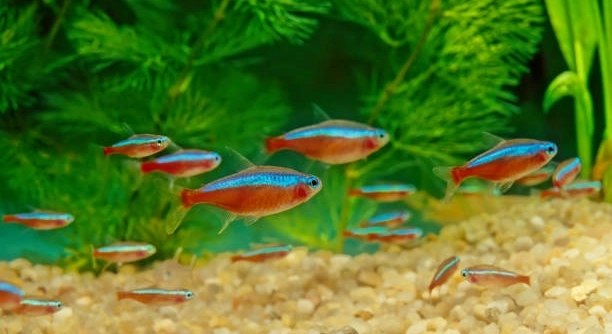
Is your neon tetra tank getting messy faster than you’d like, even though you’re putting in a lot of effort to clean it?
Keeping a neon tetra tank clean without overworking involves maintaining a balanced ecosystem, avoiding overfeeding, performing partial water changes, and using plants and filters effectively. These strategies help reduce buildup and maintain water quality with minimal effort.
Learn how simple changes to your routine can keep your tank healthier, your fish happier, and your workload lighter in the long run.
Use Live Plants to Support Natural Filtration
Live plants do more than decorate your tank—they help maintain a cleaner environment. Plants like java fern, hornwort, or anubias absorb nitrates and improve oxygen levels. This reduces the amount of waste buildup, making it easier to keep the water clear. Neon tetras enjoy swimming through plants, which also lowers their stress. With enough coverage, plants help reduce algae by competing for nutrients, and their natural process supports water balance. Try placing a few sturdy, low-maintenance species around the tank to avoid constant upkeep. These plants grow slowly but steadily and don’t require much light or fertilizer to thrive.
Live plants can cut down on your tank chores. They absorb waste, outcompete algae, and help keep your fish calm and healthy.
Start with hardy varieties like java moss or anubias. Place them in low-light spots, anchor them with stones or driftwood, and watch how they improve your tank’s stability over time.
Avoid Overfeeding Your Fish
Feeding your neon tetras too much creates excess waste, clouding the water and overloading the filter. Most adult tetras only need a tiny pinch once or twice daily.
Limit feeding to what they can finish in two minutes. Uneaten food sinks, breaks down, and increases ammonia levels, which affects your fish’s health and water quality. Stick to a consistent schedule using high-quality flakes or micro pellets. Remove uneaten food after feeding, especially in small tanks where buildup happens quickly. Try using a feeding ring to keep food in one place. This makes it easier to clean and prevents food from drifting into hard-to-reach areas. Feeding less not only helps water clarity but also encourages active behavior. It’s better for the fish and easier for you.
Clean the Substrate Regularly
Waste and leftover food easily collect on the bottom of the tank, especially in gravel. Regular vacuuming helps remove debris before it breaks down and affects water quality. Doing this once a week keeps things manageable and prevents buildup.
Use a gravel vacuum during partial water changes to clean the substrate without fully draining the tank. Focus on areas where waste tends to settle, especially around decorations and plant bases. For tanks with sand, gently stir the surface to release trapped debris before siphoning. Try not to overdo it—disturbing the substrate too often can unsettle beneficial bacteria. A steady routine helps balance cleanliness with tank stability. Consistency is key, and cleaning a small section at a time works well for keeping the tank fresh.
Keeping the substrate clean not only improves water clarity but also prevents harmful bacteria from growing. This makes your neon tetras feel more comfortable and helps their colors stay vibrant.
Use a Sponge Filter for Gentle Filtration
Sponge filters are perfect for neon tetra tanks. They’re gentle enough not to disturb small fish, yet strong enough to keep water clean. They also host helpful bacteria that aid in breaking down fish waste.
Place the sponge filter in a corner where water circulation is minimal. This improves flow and stops debris from settling. These filters are air-driven, so they add oxygen to the water while working quietly in the background. Clean the sponge every two weeks by rinsing it in old tank water, not tap water. This keeps the bacteria intact. Sponge filters are low-maintenance, affordable, and ideal for smaller setups. They don’t clog easily and work well even with planted tanks. Neon tetras prefer calm water, and sponge filters create the ideal flow. A simple addition like this can reduce your workload and help maintain a balanced tank with very little extra effort.
Perform Weekly Partial Water Changes
Changing 20–30% of the tank water once a week helps remove waste and refreshes the environment without stressing your fish. Use a siphon to target dirty areas while leaving beneficial bacteria in place.
Stick to the same day each week to keep a consistent routine. Use dechlorinated, temperature-matched water to avoid shocking the fish.
Avoid Overcrowding the Tank
Too many fish produce excess waste and stress each other out, which can lead to poor water quality and disease. Neon tetras are schooling fish, but they still need space to swim and thrive. A good rule is one gallon per fish. Avoid mixing them with messy or aggressive tank mates. Keep decorations and plants balanced so they have hiding spots without restricting swimming space. A lightly stocked tank is much easier to manage and reduces the risk of ammonia spikes. Keeping the population small also lets your filter and plants work more efficiently. This helps you maintain cleaner water with less effort.
Clean Decorations as Needed
Algae and grime can build up on fake plants and ornaments. Scrub them gently in old tank water when they start looking dirty, but avoid using soap or cleaners.
FAQ
How often should I clean my neon tetra tank?
It’s best to clean your neon tetra tank once a week. This includes vacuuming the substrate, cleaning decorations, and doing a partial water change. Regular maintenance prevents debris buildup, ensures good water quality, and keeps your tetras healthy without overwhelming you with too much work.
Can I use tap water for my neon tetra tank?
Tap water can be used, but it should always be treated with a dechlorinator before adding it to the tank. Chlorine and chloramine in tap water can be harmful to fish, so make sure to neutralize them first. It’s also important to match the temperature of the water to avoid shocking the fish.
Is it okay to use a regular filter for my neon tetra tank?
Neon tetras do better with a filter that provides gentle water flow. A strong filter can create too much current and stress the fish. Sponge filters or small internal filters work best, as they are quiet and don’t disrupt the water too much. Keep the filtration system clean but avoid over-filtering.
How can I reduce algae in my neon tetra tank?
To reduce algae, limit light exposure to about 6-8 hours per day. Use live plants, as they compete with algae for nutrients. Regular water changes and keeping the tank clean also help. If algae growth becomes excessive, you can add algae-eating fish or snails, but make sure they are compatible with neon tetras.
Do I need a heater for my neon tetra tank?
Yes, neon tetras prefer warm water between 72°F and 78°F (22°C–25°C). A reliable heater is necessary to maintain the right temperature, especially if you live in a cooler climate. Make sure to monitor the temperature with a thermometer, and avoid sudden fluctuations, as this can stress the fish.
How do I know if my neon tetras are stressed?
Stressed neon tetras may display signs like loss of color, swimming erratically, or staying near the surface. They might also hide or stop eating. Stress can be caused by overcrowding, poor water quality, or aggressive tank mates. Monitoring your tank’s environment and making adjustments will help reduce stress.
What is the best way to feed neon tetras?
Neon tetras should be fed small amounts twice a day. Offer food they can consume in 2-3 minutes to avoid leftover food sinking and polluting the water. Use high-quality flake or pellet food and occasionally supplement with live or frozen foods like brine shrimp or daphnia for variety. Overfeeding is a common mistake.
Can I keep neon tetras with other fish?
Neon tetras are peaceful and generally do well with other non-aggressive, small fish. Avoid aggressive species that may nip at their fins, like larger cichlids. Good tank mates include other peaceful tetras, guppies, or small catfish. Always research compatibility before adding new fish to ensure a harmonious tank environment.
How do I control the water parameters in my neon tetra tank?
Regular water testing is key to controlling your tank’s parameters. Test for ammonia, nitrites, nitrates, pH, and hardness at least once a week. Maintain a stable pH of 6.0 to 7.5 and nitrate levels below 20 ppm. Use water conditioners if needed, and ensure your filter works properly to keep the water clean.
Why is my neon tetra tank cloudy?
Cloudy water can be caused by several factors, such as excess food, poor filtration, or a sudden change in water chemistry. The most common reason is bacterial bloom, often due to overfeeding or overstocking. Perform a partial water change, clean the filter, and remove any excess food to restore clarity. Cloudiness should clear up once the tank stabilizes.
Final Thoughts
Maintaining a clean and healthy environment for your neon tetras doesn’t need to be overwhelming. With the right routine and a few simple adjustments, your tank can thrive. Regular water changes, proper feeding, and the addition of live plants will go a long way in keeping the water clean without much extra effort. These small steps help prevent common issues like algae growth, poor water quality, and stress, ensuring your neon tetras live in a balanced and comfortable environment.
While setting up and maintaining a tank may seem like a lot at first, the process becomes much easier once you get into a routine. Regular maintenance tasks like vacuuming the substrate and cleaning the filter are simple and can be done in a short amount of time. Keep an eye on your water parameters and make necessary adjustments along the way, and your neon tetra tank will remain a low-maintenance and peaceful habitat. It’s important to remember that consistency is key to success.
With these simple tips and techniques, you’ll be able to keep your tank looking great with minimal work. Over time, you’ll develop your own approach and gain a better understanding of what your neon tetras need to thrive. A clean and healthy tank doesn’t just benefit the fish—it creates a more enjoyable and relaxing space for you as well. By following these steps, you’ll ensure that your neon tetras remain happy, healthy, and vibrant for years to come.

Hello,
If you enjoy the content that we create, please consider saying a "Thank You!" by leaving a tip.
Every little bit helps us continue crafting quality advice that supports the health, happiness, and well-being of pets around the world, for pets of all shapes, sizes, and species.
We really appreciate the kindness and support that you show us!