
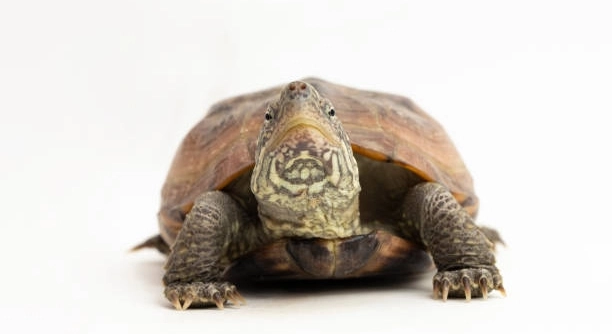
Algae growth in a musk turtle tank can cause poor water quality, impacting both the environment and your turtle’s health. Keeping the tank algae-free is essential for maintaining a clean, safe habitat. There are simple ways to manage it.
To keep your musk turtle tank algae-free, regular maintenance and careful monitoring of water conditions are key. Implementing methods like using proper filtration, managing lighting, and avoiding overfeeding can significantly reduce algae growth and improve tank health.
By following these tips, your turtle’s tank can stay clean and algae-free. The right approach will help maintain a healthy environment for your pet.
Keep the Water Clean with a Good Filtration System
A strong filtration system is crucial for keeping your musk turtle’s tank clear of algae. It helps remove excess nutrients that algae feed on. Without a proper filter, waste and debris can build up, creating an environment where algae thrive. Choosing a filter suited for your tank size and ensuring regular maintenance can significantly reduce algae growth. Filters that provide both mechanical and biological filtration work best, as they help break down organic matter and maintain water clarity.
Proper filtration also helps in maintaining the overall water quality. Algae growth is often linked to high nutrient levels, which filters can help manage. To keep the tank algae-free, check the filter’s efficiency regularly and clean it as needed. A good filtration system reduces the need for frequent water changes and allows your turtle to thrive in a healthier environment.
Once the filter is in place, ensure it’s powerful enough to handle the tank size. Regularly replace the filter media to keep it working effectively. With a proper filtration system, your turtle’s habitat can stay cleaner, reducing the algae risk significantly.
Manage Tank Lighting
The lighting in your tank can either help or hinder algae growth.
Algae thrive in bright, direct light. Limit the amount of light exposure to your tank, especially if it’s in a room with natural sunlight. Keeping the tank in a shaded area or using a light on a timer can help control this.
Avoid Overfeeding Your Musk Turtle
Overfeeding is one of the main causes of algae growth in a turtle tank. When excess food decays in the water, it releases nutrients that algae use to grow. To avoid this, feed your turtle small, measured portions and remove any uneaten food after feeding. This simple step can drastically reduce the likelihood of algae build-up.
By controlling the feeding amount, you also prevent excess waste from affecting the water quality. Overfeeding leads to cloudy water, which encourages algae blooms. It’s important to know your turtle’s feeding habits to ensure you’re not providing too much at once. Regularly inspect the tank for leftover food and remove it promptly.
Feeding your turtle only what it can consume in a few minutes ensures the water stays clean. If any food does remain, it can become a nutrient source for algae. Managing feeding times and amounts helps keep the tank free from algae-causing buildup.
Keep the Tank Temperature Stable
Musk turtles thrive in stable water temperatures, but fluctuations can encourage algae growth.
Maintaining a consistent temperature helps prevent environmental stress that can lead to algae blooms. Using a reliable water heater and thermometer will help regulate the temperature in the tank. It’s ideal to keep the water between 72°F and 78°F.
Regular Water Changes
Frequent water changes help reduce the buildup of nutrients that promote algae growth. Changing 25-30% of the water every week keeps the tank clean and fresh. If left too long, these nutrients can lead to unwanted algae. Regular water changes also improve the overall health of your turtle’s environment.
Along with regular water changes, always check the water parameters before adding new water. Ensure that the pH, ammonia, and nitrate levels are balanced to avoid creating conditions that encourage algae. Cleaning the substrate during water changes removes excess organic matter, further reducing algae risks.
Maintaining this routine is simple but effective. Regularly changing the water helps maintain clarity and provides a healthier environment for your turtle. It’s an easy way to prevent algae from overtaking the tank.
Use Algae-Eating Tank Mates
Introducing certain tank mates can help manage algae growth. Algae-eating fish or snails, like plecos or nerite snails, are known to graze on algae, helping to keep it under control. These creatures don’t harm your turtle and provide a natural solution.
By adding algae-eating tank mates, you reduce the need for harsh chemicals or manual scraping. These creatures consume algae, helping keep the tank cleaner and maintaining a balance in the ecosystem. Make sure the species you add are compatible with your turtle to avoid aggression.
FAQ
How can I tell if my musk turtle’s tank has an algae problem?
Signs of algae growth include green or brownish films on the glass, decorations, and substrate. You might also notice a cloudy appearance in the water. If these issues persist despite regular cleaning, algae could be the culprit. Algae can also cause a decrease in water clarity, making the environment appear murky. You may even spot algae growth on your turtle’s shells or other surfaces in the tank. Regularly inspect your tank to catch algae before it gets out of control.
What type of filter is best for controlling algae in my turtle tank?
A filter with both mechanical and biological filtration is ideal for keeping algae in check. Mechanical filtration removes particles from the water, while biological filtration breaks down organic waste, preventing nutrient build-up. A filter with a high turnover rate can efficiently circulate the water, helping reduce the nutrient load that algae feed on. Make sure the filter you choose is suitable for your tank size to ensure it performs effectively. Regular maintenance is essential, as even the best filters can clog with debris.
Can algae-eating fish really help control algae in a musk turtle tank?
Yes, certain algae-eating fish, such as plecos, otocinclus, or even nerite snails, can help control algae growth. These creatures consume algae as part of their diet, reducing the amount of algae in the tank. However, they should be used as a supplementary measure, not a sole solution. Keep in mind that some species of fish may not be compatible with your turtle, so always research the species before adding them to the tank. Adding algae-eating tank mates is a natural and effective way to manage algae.
How often should I change the water to prevent algae growth?
Regular water changes, about 25-30% each week, help remove excess nutrients and waste that algae need to grow. This routine helps keep the water fresh and clear. The more often you change the water, the fewer nutrients are available to fuel algae. When doing a water change, don’t forget to clean the tank’s substrate and decorations to remove any trapped organic matter. This practice, combined with proper filtration, can significantly reduce algae problems.
Is it necessary to use an aquarium light for my musk turtle tank?
Aquarium lights are important for providing your turtle with a natural day-night cycle. However, too much light can contribute to algae growth. It’s crucial to balance the lighting so that the tank receives only as much light as needed for your turtle’s well-being. Avoid placing the tank in direct sunlight, as natural light can promote algae growth. Consider using a timer for your aquarium light to limit exposure, which helps prevent excessive algae development while maintaining your turtle’s natural habitat.
How do I clean algae from my tank without harming my turtle?
To clean algae without harming your turtle, use a soft sponge or algae scraper specifically designed for aquarium glass. Avoid using harsh chemicals or abrasive tools that can scratch the tank or damage your turtle’s sensitive skin. When cleaning decorations or rocks, gently scrub with a toothbrush or sponge. Always make sure any cleaning tools you use are turtle-safe and free of harmful substances. Regular cleaning is important to prevent algae from becoming a bigger issue and to maintain the overall health of your tank.
Can overfeeding my turtle cause algae growth?
Yes, overfeeding your turtle can lead to excess waste and uneaten food, which decomposes and releases nutrients into the water. These nutrients, especially nitrogen and phosphates, provide the perfect conditions for algae to grow. It’s important to feed your turtle only what it can eat within a few minutes. Remove any leftover food after feeding to prevent it from breaking down in the water. This simple step can help prevent algae blooms and maintain a healthy environment for your turtle.
What are some natural ways to prevent algae growth in a turtle tank?
In addition to proper filtration, you can use natural methods to reduce algae growth. Regular water changes and controlling the light exposure are key steps. Adding live plants can help outcompete algae for nutrients, limiting its growth. Be sure to choose plants that are compatible with your turtle. You can also introduce algae-eating snails or fish to help naturally manage algae. Finally, keeping the tank clean and removing any excess food or waste will further reduce the conditions that encourage algae development.
What should I do if algae is growing on my turtle’s shell?
Algae can sometimes grow on a turtle’s shell, especially if it spends a lot of time in the water. To remove algae, gently scrub the shell with a soft toothbrush or sponge. Avoid using any chemicals or harsh cleaners that could harm your turtle. Regular shell cleaning is important for maintaining your turtle’s health and ensuring it is free from any harmful buildup. Additionally, improving tank cleaning habits and controlling algae in the tank can prevent further algae growth on your turtle’s shell.
Can high water temperatures contribute to algae growth?
Yes, higher water temperatures can speed up algae growth. Algae thrive in warmer conditions, so maintaining a stable, cooler water temperature can help keep algae in check. Ideally, the water temperature for your musk turtle should be between 72°F and 78°F. If the water gets too warm, it creates a more favorable environment for algae. By managing the temperature with a reliable heater and thermometer, you can prevent excess algae growth while keeping your turtle comfortable.
Final Thoughts
Maintaining an algae-free tank for your musk turtle requires a combination of regular cleaning, proper feeding, and careful management of water conditions. Overfeeding your turtle can contribute to algae growth, so it’s important to provide just enough food for your turtle to eat in a few minutes. Any leftover food should be removed promptly to prevent it from decomposing in the water and releasing nutrients that algae can thrive on. Regular water changes are also essential in keeping the water clean and reducing the buildup of algae-promoting substances. A 25-30% water change every week will help maintain water quality and prevent algae from taking over.
Another key factor in controlling algae is proper filtration. A good filter that provides both mechanical and biological filtration will help keep the water clean and free from organic waste. A filter with a high turnover rate can circulate the water efficiently, removing debris and preventing nutrient buildup. Be sure to clean the filter regularly to ensure it continues to function properly. Adding algae-eating tank mates, such as plecos or snails, can also help reduce algae growth. These creatures consume algae, keeping it in check and maintaining a balance in the tank.
Lastly, maintaining stable water conditions, such as temperature and lighting, plays a significant role in controlling algae. Algae thrive in warm and brightly lit environments, so it’s crucial to regulate both factors. Keep the water temperature between 72°F and 78°F, and avoid placing the tank in direct sunlight. Limiting the amount of artificial light your tank receives will also help prevent excessive algae growth. By following these steps and keeping a close eye on your tank, you can successfully manage algae and ensure a healthy, clean environment for your musk turtle.

Hello,
If you enjoy the content that we create, please consider saying a "Thank You!" by leaving a tip.
Every little bit helps us continue crafting quality advice that supports the health, happiness, and well-being of pets around the world, for pets of all shapes, sizes, and species.
We really appreciate the kindness and support that you show us!