
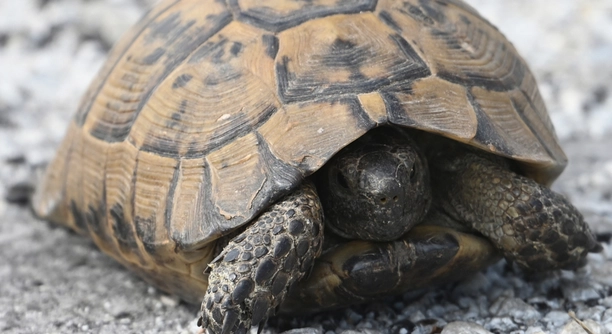
Keeping a Greek tortoise entertained indoors requires more than just a simple habitat setup. These active reptiles need stimulation to stay engaged and healthy. Fortunately, there are many ways to keep your tortoise entertained and content.
One of the best ways to keep your Greek tortoise entertained indoors is by providing variety. This includes offering different textures, objects, and space for exploration. Regular interaction, along with safe, engaging toys, helps stimulate their curiosity and natural behaviors.
Introducing enrichment activities can significantly improve your tortoise’s quality of life, preventing boredom and promoting overall well-being.
Offer Different Types of Flooring
Greek tortoises enjoy exploring varied surfaces, so providing different types of flooring can keep them entertained. You can use tiles, grass mats, or even safe outdoor materials like dirt or sand. These different textures stimulate their natural behavior of searching for food and exploring. It also helps them stay active by encouraging movement.
Adding different materials to their enclosure gives them more to engage with. The change in flooring can mimic the outdoors, which is beneficial for their mental health. It also prevents them from becoming too comfortable in one spot.
To make the environment more interactive, you can also include rocks, logs, or other natural elements on the floor. These provide extra opportunities for climbing or hiding, which will keep your tortoise busy. Be mindful that all materials are safe and appropriate for your tortoise’s size and age. Changing the floor setup every so often helps maintain their interest in their space.
Provide Hiding Spots
Tortoises appreciate having places to hide. Adding small shelters or hiding spots within their indoor space offers them comfort and security. This also encourages exploration.
Including small caves, boxes, or overturned pots can give your tortoise the chance to hide. These spaces not only offer a sense of safety but also give them a spot to rest when needed.
Provide Variety in Diet
A varied diet keeps your Greek tortoise’s mind engaged. Offer a range of leafy greens, vegetables, and occasional fruits to keep them interested in mealtime. You can also add edible flowers and safe herbs. This variety ensures they receive balanced nutrition and reduces the likelihood of boredom.
Including a variety of textures and tastes can mimic the natural environment and keep your tortoise excited. Try mixing different types of food, such as dandelion greens, collard greens, and cactus pads. The change in food offerings keeps their senses active and allows them to explore new flavors. Always make sure the food is safe for your tortoise and avoid offering foods that could harm them.
Remember that tortoises are naturally grazers, and they enjoy spending time eating. Changing up their meals frequently keeps them engaged in this important activity. While feeding, they are also keeping active, which supports their overall health. Consider adding food items that encourage them to forage and move around their enclosure.
Use Interactive Toys
Interactive toys can keep your Greek tortoise mentally stimulated. Consider puzzle toys or hiding treats inside objects. This allows them to engage their problem-solving skills. Toys help your tortoise stay active and provide a way for them to work for their food.
You can purchase specialized tortoise toys, or you can create your own using safe, natural materials. Hide their favorite treats in different places and let them search for them. These activities not only keep them entertained but also mimic the foraging behaviors they would do in the wild. Interactive toys that challenge your tortoise can keep them engaged for hours.
Toys that encourage movement are beneficial, too. Consider items that require your tortoise to push or nudge them to get to a reward. This helps to prevent your tortoise from becoming sedentary, ensuring they remain active and happy.
Allow Exploration Time
Letting your tortoise roam freely in a safe, enclosed area indoors gives them a chance to explore new spaces. This encourages physical activity and keeps them engaged with their surroundings. Ensure the space is free from hazards to allow a stress-free exploration session.
Exploration helps provide mental stimulation as your tortoise interacts with different objects and surfaces. You can gradually expand the area to make it more interesting by adding new textures or obstacles. This promotes natural behaviors, such as searching for food, climbing, and investigating new areas. A change in scenery keeps things fresh.
Keep a Consistent Routine
Maintaining a routine benefits your tortoise’s mental and physical health. Stick to a regular feeding, lighting, and playtime schedule to create a predictable environment. Consistency helps your tortoise feel secure and reduces stress.
Having a daily routine also helps your tortoise get used to different activities throughout the day. They will know when it’s time to eat, when to bask, and when to be active. This structure ensures your tortoise stays calm and comfortable, knowing what to expect each day.
FAQ
How can I keep my Greek tortoise active indoors?
To keep your Greek tortoise active indoors, offer a variety of surfaces and objects to explore. Changing the flooring, adding logs or rocks for climbing, and providing hiding spots for exploration can encourage physical activity. Additionally, interactive toys or hiding treats inside objects can motivate them to move around. Regular outdoor time, when safe, also supports their activity levels.
What kind of flooring is best for my Greek tortoise’s indoor space?
The best flooring for your Greek tortoise’s indoor space should include a combination of textures. Tiles, grass mats, and sand or dirt offer variety. Tiles help with easy cleaning, while sand or dirt can mimic outdoor conditions, allowing your tortoise to burrow. Always ensure the flooring is safe and non-toxic for your tortoise.
Can I feed my Greek tortoise fruits and vegetables?
Yes, you can feed your Greek tortoise fruits and vegetables. Offer a wide range of leafy greens, such as dandelion greens, collard greens, and mustard greens. Occasionally provide fruits like strawberries, apples, or watermelon, but keep these in moderation due to their higher sugar content. Ensure the food is fresh and free from pesticides.
How do I create a safe and enriching environment for my Greek tortoise?
Creating a safe and enriching environment for your Greek tortoise involves providing various textures, hiding spots, and objects to explore. Include safe items like rocks, logs, and cardboard tubes. A variety of flooring and areas to bask or burrow is essential. Avoid sharp edges and small objects that could pose a risk of ingestion.
How often should I change my Greek tortoise’s habitat setup?
Change your Greek tortoise’s habitat setup every few weeks to keep things interesting. Switch up the objects, flooring, and hiding spots to maintain novelty. This encourages exploration and prevents boredom. While they don’t need constant changes, occasional rearranging keeps them mentally stimulated and engaged with their environment.
Are there any toys I can give my Greek tortoise?
Yes, there are various toys you can provide for your Greek tortoise. Puzzle toys, food-dispensing toys, and objects to climb over or hide in are great choices. You can also make simple DIY toys by hiding their favorite foods inside cardboard boxes or tubes. Always ensure the toys are safe and non-toxic.
How can I prevent my Greek tortoise from becoming bored indoors?
To prevent boredom, introduce variety in their daily routine. Offer different food options, interactive toys, and areas to explore. A consistent routine with varied activities, such as exploration time or food hunts, helps keep your tortoise’s mind and body active. Frequent changes in their environment also prevent them from getting too comfortable with one setup.
Is it safe to let my Greek tortoise roam freely indoors?
Yes, it’s safe to let your Greek tortoise roam freely indoors as long as the area is properly secured and free from hazards. Set up a tortoise-safe space where they can roam, climb, and explore without the risk of falling or encountering sharp objects. Always supervise their roaming time.
What should I do if my Greek tortoise stops eating?
If your Greek tortoise stops eating, first check the temperature and humidity of their environment to ensure they’re optimal. Stress, poor lighting, or diet changes can cause loss of appetite. If the issue persists for more than a few days, consult a veterinarian for further advice and care.
How do I encourage my Greek tortoise to climb?
Encourage climbing by adding various objects to their habitat, such as logs, rocks, or safe platforms. Greek tortoises naturally enjoy climbing and exploring, so giving them these options will encourage this behavior. Ensure the climbing structures are stable and low to prevent any risk of injury.
What temperature should my Greek tortoise’s indoor habitat be?
Greek tortoises require a temperature range of 75–85°F in their indoor habitat during the day. They also need a basking spot with a temperature of around 90–95°F. At night, the temperature can drop to 65–70°F. Proper lighting, including UVB bulbs, is also essential for their health.
Can I take my Greek tortoise outdoors for exercise?
Yes, Greek tortoises benefit from outdoor exercise, but it’s essential to ensure the environment is safe. The area should be free from pesticides, predators, and hazards. Outdoor time should be supervised, and you should only allow them outside in warm weather. Always bring them back indoors before it gets too cold.
How can I make my Greek tortoise’s diet more interesting?
To make your Greek tortoise’s diet more interesting, offer a variety of leafy greens, vegetables, and occasional fruits. You can also add safe flowers or herbs like dandelions and hibiscus. Changing the presentation, such as hiding food or using food-dispensing toys, also makes mealtime more exciting. Avoid offering the same foods every day to keep things fresh.
How much space does a Greek tortoise need indoors?
A Greek tortoise needs a spacious enclosure, ideally at least 4–6 square feet per tortoise. A larger area allows them to roam, explore, and engage in natural behaviors. Ensure the enclosure has enough space for hiding spots, climbing structures, and room for exercise. The more space they have, the happier and healthier they will be.
Final Thoughts
Keeping your Greek tortoise entertained indoors requires some effort, but it’s not difficult. Providing variety in their environment, offering different objects to climb or hide in, and maintaining a routine are all effective ways to keep them active and engaged. Regularly changing their habitat and introducing new activities, like food hunts or exploring different areas, helps prevent boredom. Creating a stimulating environment will also promote their physical and mental well-being, ensuring that your tortoise remains happy and healthy indoors.
In addition to providing an enriching environment, it’s important to focus on your tortoise’s diet, temperature, and lighting. Make sure their enclosure is well-lit with UVB lighting to help with calcium absorption and maintain proper temperature ranges for basking and resting. A varied diet, including fresh vegetables, safe fruits, and occasional flowers, keeps them interested in mealtime. Always remember to monitor their eating habits and check for any signs of stress or illness. Regular care and attention go a long way in supporting their overall health.
Taking these steps will not only keep your Greek tortoise entertained but also help maintain their happiness and longevity. A well-cared-for tortoise is a healthy tortoise, and providing a safe, stimulating indoor environment is one of the best ways to ensure they thrive. Whether through regular outdoor time or an engaging indoor habitat, there are many ways to enrich their lives. By paying attention to their needs and making small changes to their environment, you can create a space where they can live comfortably and actively.

Hello,
If you enjoy the content that we create, please consider saying a "Thank You!" by leaving a tip.
Every little bit helps us continue crafting quality advice that supports the health, happiness, and well-being of pets around the world, for pets of all shapes, sizes, and species.
We really appreciate the kindness and support that you show us!