
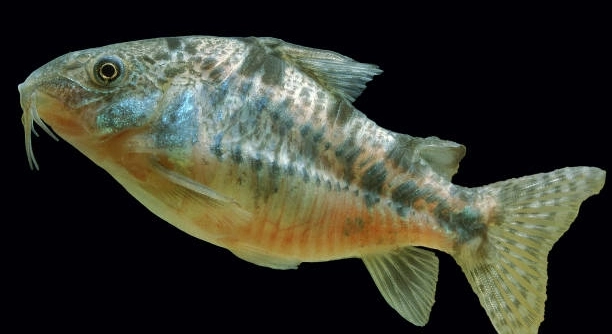
Corydoras catfish are popular pets for aquarium enthusiasts, known for their peaceful nature and interesting behavior. However, like any pet, they can experience stress, which can lead to health problems. Understanding how to care for them properly is essential.
To prevent stress in Corydoras catfish, ensure their tank environment is clean, stable, and properly set up. Provide hiding spots, maintain optimal water conditions, and avoid overcrowding. Stress can also be reduced by feeding a balanced diet and minimizing sudden changes.
Proper care for your Corydoras will keep them happy and healthy. By learning how to meet their specific needs, you can easily create a calm, safe environment. The following tips will help you keep your catfish stress-free.
Proper Tank Setup and Maintenance
Creating the right environment for your Corydoras catfish is crucial for their well-being. They thrive in tanks with plenty of hiding spots, like plants, rocks, or caves, which help them feel safe. A well-maintained tank prevents stress and promotes healthy fish. Corydoras are bottom-dwellers, so a soft substrate like fine gravel or sand is ideal. Harsh, sharp surfaces can injure them, leading to stress. Make sure the tank water is clean and free from harmful chemicals. A reliable filter system is necessary to maintain the water’s quality and reduce waste. Consistent water temperature and pH levels are essential to avoid sudden shifts that might overwhelm your fish.
A tank with the right setup keeps Corydoras happy and stress-free. It’s simple to maintain with regular water changes, filtering, and monitoring of parameters. Their environment should mimic their natural habitat as closely as possible.
Corydoras catfish are very sensitive to water quality, so it’s important to test for ammonia, nitrites, and nitrates regularly. Poor water quality can quickly lead to health issues. Make sure to also remove uneaten food promptly to prevent any water contamination. When setting up their tank, don’t forget to add plants and other hiding spots. Not only does this make them feel secure, but it also encourages natural behavior. Corydoras like to stay close to the bottom, so they will appreciate a deeper substrate, allowing them to dig and explore freely. With a proper setup, your catfish will live a long and healthy life.
Water Conditions and Temperature
Water temperature is one of the most important factors to keep your Corydoras calm and comfortable.
Maintain a temperature between 72-78°F (22-25°C) to avoid stressing them. Temperature fluctuations can disturb your catfish, causing them to become agitated. If the water is too cold or too warm, they may show signs of stress like reduced activity or hiding. To help regulate water temperature, invest in a reliable aquarium heater. Corydoras are tropical fish and prefer stable, warm water that mimics their natural habitat.
In addition to temperature, the pH level is important for stress prevention. Corydoras prefer slightly acidic to neutral water, with a pH between 6.5 and 7.5. You can test water quality with inexpensive test kits to ensure the right conditions. Sudden changes in pH can be very stressful and should be avoided. Regular water changes will help maintain a stable environment. It’s also essential to keep an eye on water hardness, as Corydoras are sensitive to extremes in hardness levels.
Tank Mates and Avoiding Overcrowding
Corydoras catfish are peaceful and thrive in community tanks, but choosing the right tank mates is key. Avoid placing them with aggressive or territorial fish that might cause stress.
Corydoras are best kept with other calm, non-aggressive fish like tetras, gouramis, or small rasboras. These fish share similar water requirements and won’t bother the catfish. Overcrowding can lead to competition for food and space, stressing your Corydoras. Ensure your tank has enough room for each fish, and avoid mixing species that might stress each other out. A well-balanced community tank helps your catfish stay calm and relaxed.
When adding new fish, introduce them gradually to avoid sudden changes that may disturb your catfish. Keep an eye on the social dynamics in your tank to prevent bullying or stress among tank mates. Overcrowding, even with peaceful species, leads to higher waste and deteriorating water quality, which can impact your catfish’s health. Make sure your tank has the right balance for long-term happiness.
Feeding Habits and Proper Diet
Feeding Corydoras the right food in the proper amounts helps reduce stress.
Corydoras are bottom feeders, which means they prefer sinking pellets, but they will also enjoy live or frozen foods like brine shrimp and bloodworms. Avoid overfeeding them, as leftover food can pollute the tank, leading to poor water quality. Feed them small portions, ensuring they can eat within a few minutes.
A varied diet is essential for Corydoras’ health and stress reduction. You can offer high-quality pellets specifically designed for bottom-feeding fish. Along with pellets, occasional treats of live or frozen food add variety to their diet. Keep in mind that these fish also scavenge for food, so ensuring enough time for them to search the substrate is important. Inconsistent feeding or offering improper food can cause digestive issues, further contributing to stress. Regular feeding at the same time each day helps create a routine and reduces anxiety.
Regular Water Changes
Maintaining a clean tank is essential for reducing stress in Corydoras.
Perform regular water changes, typically 25-30% of the tank water every week. This helps remove waste, excess nutrients, and keeps the water parameters stable. It’s also important to use a water conditioner to remove chlorine or chloramine if using tap water.
Corydoras catfish are sensitive to ammonia and nitrites, so frequent water changes keep harmful chemicals from building up. Regular cleaning also reduces the growth of harmful bacteria or algae, which can cause health issues. Using a reliable filter can help, but it’s not a substitute for water changes. Keeping the tank clean ensures your catfish live in a stress-free environment.
Avoid Sudden Changes
Corydoras are sensitive to sudden changes in their environment.
Changes in temperature, lighting, or tank decor can stress out your fish. Keep things consistent by minimizing abrupt adjustments. Sudden changes in water parameters, such as pH or hardness, should be avoided. This stability helps your catfish feel secure and calm.
FAQ
How do I know if my Corydoras catfish is stressed?
Signs of stress in Corydoras include unusual behavior like hiding excessively, lethargy, or swimming erratically. They may also have a reduced appetite or seem less active than usual. If your catfish is often at the surface or stays in one spot, it’s a sign that something is wrong. Stress can also cause them to dart around quickly or scrape their bodies against objects.
What should I do if my Corydoras is hiding too much?
Hiding is natural behavior for Corydoras, but excessive hiding can be a sign of stress. Check the water parameters, ensuring they’re stable. Too much light or noisy surroundings can also cause them to hide more. Adding more hiding spots or plants can make them feel safer.
Can Corydoras catfish live with shrimp?
Yes, Corydoras can live peacefully with shrimp, especially species like Amano or cherry shrimp. However, you should avoid placing them with larger, more aggressive shrimp species that could stress or harm your catfish. Also, make sure your tank has plenty of hiding spots for the shrimp, as they might feel more comfortable in a well-planted environment.
Are Corydoras catfish sensitive to light?
Corydoras prefer dim lighting and are sensitive to bright, harsh light. Strong light can make them stressed or agitated, leading to hiding or erratic behavior. To create a more natural environment, consider using subdued lighting or providing shaded areas in the tank with plants or decorations.
What is the best substrate for Corydoras catfish?
A soft, fine-gravel or sand substrate is best for Corydoras. They are bottom-dwellers and like to sift through the substrate, looking for food. Sharp or rough materials can hurt their delicate barbels. Sand is the most recommended as it’s gentle on their sensitive fins and barbels.
How often should I feed my Corydoras catfish?
Feed your Corydoras once or twice a day. Offer small portions of food that they can consume in a few minutes. Overfeeding can lead to uneaten food decaying in the tank, which causes water quality issues and stress. If your Corydoras doesn’t eat all the food, remove the excess.
Can Corydoras catfish eat flake food?
While Corydoras can eat flake food, it’s not their preferred diet. They are bottom feeders and do better with sinking pellets or tablets. Flake food can float on the surface, making it harder for them to reach. Offering sinking food will allow your Corydoras to feed naturally and reduce stress.
Is it safe to keep Corydoras with other fish species?
Yes, Corydoras can live with other peaceful fish. However, avoid placing them with aggressive or territorial species. Ideal tank mates include small tetras, guppies, or peaceful barbs. Ensure the fish you add have similar water needs to avoid stressing your Corydoras.
What temperature is best for Corydoras catfish?
Corydoras prefer water temperatures between 72-78°F (22-25°C). Temperatures outside this range can stress them out. Using a reliable aquarium heater can help maintain stable water temperatures, preventing fluctuations that could harm your catfish.
Can Corydoras catfish live in cold water?
No, Corydoras are tropical fish and require warmer water to thrive. They are not suited for cold water tanks. If you place them in cold water, they may become stressed, sick, or inactive. Ensure their environment stays within their preferred temperature range for optimal health.
Do Corydoras need oxygen-rich water?
Yes, Corydoras thrive in well-oxygenated water. They are naturally found in areas with good water flow in the wild. A good filter and surface agitation can help increase oxygen levels in the tank. Adding live plants can also help improve oxygen levels.
Can Corydoras catfish survive in low-oxygen environments?
Corydoras can tolerate lower oxygen levels for a short period, but prolonged exposure can lead to stress, poor health, and even death. If oxygen levels are low, consider improving water circulation, adding an air pump, or using a sponge filter to maintain a healthy oxygen level.
How do I prevent my Corydoras from becoming stressed due to water changes?
To prevent stress during water changes, always make sure the new water is of the same temperature and pH as the tank water. Adding water conditioner to remove chlorine is important, and avoid making drastic changes to the water parameters all at once.
Do Corydoras catfish like to be in groups?
Yes, Corydoras are social fish and feel safer in groups. Keeping them in schools of at least 3-5 individuals helps reduce stress and makes them feel more secure. A group also promotes natural behaviors, such as foraging and schooling, making them more active and healthier.
Can I keep Corydoras with other types of catfish?
Yes, you can keep Corydoras with other peaceful catfish species, like bristlenose plecos. However, avoid keeping them with larger, aggressive catfish that might cause stress. Make sure the tank is large enough to accommodate all species, and watch for any signs of territorial disputes.
What are the best plants for Corydoras tanks?
Corydoras catfish appreciate well-planted tanks. Plants like java fern, Anubias, and cryptocoryne are excellent choices. These plants provide hiding spots and help improve water quality by absorbing nitrates. The plants also create a more natural environment, which reduces stress for your catfish.
How do I ensure my Corydoras stay healthy long-term?
Provide a stable tank environment with clean water, proper temperature, and good tank mates. Feed them a balanced diet, avoid overfeeding, and ensure they have plenty of hiding spots. Regular water changes and monitoring water quality will help maintain long-term health for your Corydoras.
Corydoras catfish are peaceful and hardy fish, but like all pets, they need the right environment to stay healthy and stress-free. By ensuring proper tank setup, water conditions, and a balanced diet, you can create a habitat that supports their well-being. These small changes can make a big difference in reducing stress and keeping your catfish happy. Corydoras thrive in tanks that mimic their natural habitat, with soft substrates, hiding spots, and consistent water parameters. Keeping an eye on water quality, temperature, and tank mates will help prevent stressors from affecting them.
When it comes to tank mates, choosing calm, peaceful species that share similar water requirements will help create a harmonious environment. Avoid overcrowding your tank, as this can lead to stress and poor water quality. A well-balanced tank not only benefits your Corydoras but also contributes to the overall health of all the species in the tank. Remember to monitor their behavior for any signs of stress, such as excessive hiding or reduced appetite. Early detection of stress can prevent health problems in the long run, ensuring your fish live a long and happy life.
Lastly, regular maintenance, including water changes, cleaning, and monitoring, is essential for keeping stress levels low in your Corydoras. It’s important to stick to a consistent routine and avoid sudden changes that could unsettle your catfish. With the right care, Corydoras catfish can thrive in your aquarium, providing you with years of enjoyment. Their peaceful nature and interesting behavior make them a great addition to any tank, and by following these simple tips, you can help ensure they remain stress-free and healthy.

Hello,
If you enjoy the content that we create, please consider saying a "Thank You!" by leaving a tip.
Every little bit helps us continue crafting quality advice that supports the health, happiness, and well-being of pets around the world, for pets of all shapes, sizes, and species.
We really appreciate the kindness and support that you show us!