
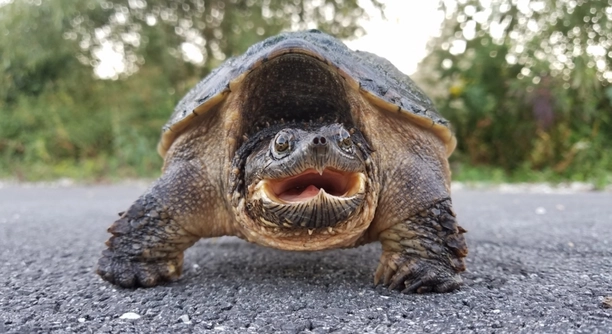
Keeping your common snapping turtle’s water clear can be challenging, but with the right strategies, you can maintain a healthy and clean environment for your pet. Clean water is essential for its well-being.
The key to maintaining crystal-clear water is proper filtration, regular water changes, and maintaining a balance between the turtle’s diet and the environment. Using an effective filter and ensuring proper tank maintenance will prevent water quality issues.
A few simple changes can make a noticeable difference in your turtle’s habitat. Clear water supports the overall health of your turtle and keeps its environment pleasant.
Proper Filtration for Clear Water
To maintain clear water, having the right filtration system is essential. Choose a filter that can handle the size of your tank and the waste your turtle produces. Filters designed for turtles are ideal since they are built to manage both solid waste and excess food. A filter that is too small for the tank will struggle to keep the water clean, leading to cloudy or dirty water. Regularly clean the filter to avoid clogging and ensure it works efficiently.
A good filtration system helps keep the water clear for weeks, reducing the need for constant changes. You should also make sure that the water flows correctly and is not being disturbed by any blockages in the filter system.
While a filter will do a lot of the heavy lifting, you still need to monitor the water quality. Perform water tests regularly to check for harmful chemicals or imbalances in pH. This ensures your turtle’s habitat stays clean and healthy over time.
Regular Water Changes
Changing the water regularly is vital for keeping your turtle’s environment fresh. Water should be changed every two to four weeks, depending on the tank’s size and the number of turtles.
Removing a portion of the water and replacing it with fresh water ensures that harmful substances do not build up. This practice, combined with filtration, provides a balanced and healthy environment for your turtle.
Adjusting the Diet
The type of food you feed your turtle plays a large role in water clarity. Avoid overfeeding, as excess food can decay in the water and contribute to poor water quality. Feed only what your turtle can eat within 10 to 15 minutes.
A balanced diet consisting of turtle pellets, fresh vegetables, and occasional protein will keep your turtle healthy and help prevent excess waste. Be sure to remove any uneaten food from the tank immediately after feeding to avoid it breaking down in the water.
Turtles are opportunistic feeders and may overeat if given the chance. By controlling their food intake and removing leftover food promptly, you can keep the water clearer and reduce the likelihood of an algae bloom or bacterial growth that can cloud the water.
Avoiding Overcrowding
Overcrowding a turtle tank can lead to an increase in waste, which can quickly degrade water quality. Make sure your tank is large enough to comfortably house your turtle and any other aquatic pets you may have.
Each adult turtle requires about 10 gallons of water per inch of shell length. Overcrowding not only causes more waste but can also stress the turtles, affecting their health. Ensure your tank has plenty of space for your turtle to move around and stay comfortable.
Proper Lighting and Temperature
Proper lighting and temperature are essential for maintaining clear water. Turtles need natural sunlight or UVB lighting to help them digest food and stay healthy. A consistent temperature helps prevent bacteria and algae growth, which can cloud the water.
Ensure the water temperature stays between 75°F and 80°F for optimal turtle health. Any drastic changes in temperature can stress the turtle and affect water clarity. Invest in a good aquarium heater if necessary, and monitor the temperature regularly to avoid fluctuations.
Live Plants for Water Quality
Adding live plants to the tank helps with water quality. Plants absorb excess nutrients, reducing the chances of algae growth. They also provide hiding spots for your turtle, which helps lower stress levels.
Choose aquatic plants like Anubias or Java Fern, which are hardy and can thrive in turtle tanks. These plants help maintain a balanced environment and will naturally improve water clarity by filtering out waste.
FAQ
How often should I change the water in my snapping turtle’s tank?
Water should be changed every two to four weeks, depending on the tank size and how many turtles you have. If the tank is smaller or has more turtles, you may need to change the water more frequently. Regular water changes help prevent harmful bacteria buildup and maintain a healthier environment for your turtle. Keep an eye on water quality and perform partial water changes if necessary between full changes to ensure the water stays clean.
Can I use tap water for my turtle tank?
Tap water can be used for a turtle tank, but it must be treated first to remove chlorine and chloramine. These chemicals can harm your turtle. You can buy water conditioners specifically designed for aquariums that will neutralize these harmful substances. Let the water sit for a few hours before adding it to the tank to make sure it’s fully treated.
Why is my turtle tank water still cloudy after a water change?
Cloudy water after a water change can happen for a few reasons. It could be due to overfeeding, a filter that is not functioning properly, or an imbalance in the water’s pH or nutrient levels. Ensure you are feeding your turtle the right amount of food, check your filtration system, and test the water for any imbalances. If needed, perform another water change and check your filter to make sure it’s clean and functioning efficiently.
How can I prevent algae from growing in my turtle tank?
Algae thrive in tanks with excess nutrients like nitrogen and phosphorus. To prevent algae, avoid overfeeding your turtle and make sure excess food is removed promptly. Proper filtration, regular water changes, and reducing the amount of direct light hitting the tank can help. You can also add live plants to absorb extra nutrients that algae would otherwise feed on.
Is it safe to use chemicals to clean my turtle tank?
Avoid using harsh chemicals to clean the tank as they can harm your turtle. Stick to natural cleaning methods like using a sponge or scrub brush. You can use a vinegar-water solution to clean the tank surfaces, but make sure to rinse everything thoroughly before reintroducing your turtle to the tank. Also, never use soap, as it can leave residues that are harmful to your turtle.
Do snapping turtles need a filter?
Yes, snapping turtles need a filter to maintain clean water. A good filter will help remove waste and debris, keeping the water clear and healthy for your turtle. Choose a filter that is appropriate for the size of the tank and the number of turtles. Make sure to clean the filter regularly to ensure its efficiency.
Can I use a sponge filter for my snapping turtle’s tank?
Sponge filters are a good option for turtle tanks, especially if you have a smaller setup. They provide gentle filtration, which is less likely to disturb your turtle. However, sponge filters may not be powerful enough for larger tanks with multiple turtles. For larger tanks, consider using a canister or hang-on-back filter that provides stronger filtration.
How do I know if my snapping turtle’s water is clean enough?
Regular water tests are the best way to ensure your turtle’s water is clean. Check for ammonia, nitrite, nitrate levels, and pH balance. If ammonia or nitrite levels are high, it indicates that the water is not clean enough and further action is needed, such as a water change or improving filtration. Clear water, combined with proper water test results, is a good sign of a healthy tank.
What should I do if my turtle’s water turns green?
Green water is often a sign of algae overgrowth. This can happen if there is excess light or nutrients in the tank. Reduce the amount of direct sunlight the tank receives, remove any uneaten food promptly, and check your filtration system. Consider adding live plants to help absorb excess nutrients and use an algae scrubber to clean any surfaces with algae buildup. If the problem persists, perform a water change.
Can I keep my turtle in a tank without a filter?
While it is technically possible to keep a turtle in a tank without a filter, it is not recommended. Without a filter, you will need to change the water much more frequently to keep it clean and safe for your turtle. A filter helps reduce the amount of work required to maintain the water quality and provides a more stable environment for your turtle. If you do choose not to use a filter, be prepared for regular cleaning and water changes.
What is the best temperature for my snapping turtle’s tank?
The ideal water temperature for a snapping turtle is between 75°F and 80°F (24°C – 27°C). Maintaining a consistent temperature within this range ensures your turtle is comfortable and promotes healthy digestion. You can use an aquarium heater to regulate the temperature, but make sure it is designed for turtle tanks to prevent overheating.
How can I improve water clarity if I don’t want to use a filter?
If you prefer not to use a filter, you can improve water clarity by manually removing waste and uneaten food regularly. Perform water changes more frequently, ideally once a week, and test the water for chemical imbalances. Live plants can help with nutrient absorption, and you can also use a water clarifier that is safe for turtles to help keep the water clear. However, a filter is still the most effective method for long-term water clarity.
Do snapping turtles need UVB lighting?
Yes, snapping turtles need UVB lighting to synthesize vitamin D3, which is necessary for calcium absorption. Without adequate UVB light, your turtle could develop shell deformities or metabolic bone disease. Make sure to use a proper UVB bulb designed for reptiles and position it correctly in your turtle’s tank. Keep in mind that UVB light should be replaced every 6 months for optimal effectiveness.
How do I prevent my turtle’s water from smelling bad?
Bad odors in a turtle tank are usually caused by excess waste, uneaten food, or poor filtration. To prevent odors, remove any uneaten food after feeding, and clean the tank regularly. Keep the filtration system clean and perform regular water changes to ensure the water remains fresh. If the smell persists, check the water quality for imbalances and adjust as needed.
Final Thoughts
Maintaining clean water for your snapping turtle is crucial for its health and well-being. By implementing a few basic steps, you can ensure that your turtle’s habitat stays clear and free from harmful bacteria. Regular water changes, proper filtration, and keeping the tank free from excess food and waste are key factors in achieving clear water. These efforts will not only improve the appearance of the tank but also create a safer environment for your turtle. Understanding the importance of water quality and committing to its upkeep will help your turtle thrive in its habitat.
While water quality is essential, other aspects of your turtle’s environment also play a role in its overall health. The right lighting and temperature are important for your turtle’s digestion and activity. UVB lighting, in particular, helps your turtle absorb calcium and maintain a strong shell. A consistent water temperature between 75°F and 80°F is ideal for snapping turtles, as it prevents stress and encourages healthy behavior. Providing a balanced environment with the right combination of water, temperature, and lighting will keep your turtle happy and active.
Lastly, taking the time to observe your turtle’s behavior and monitor its environment will help you address any issues early. If the water begins to look cloudy or if you notice any changes in your turtle’s behavior, it’s important to act quickly. Testing the water regularly for ammonia, nitrite, nitrate levels, and pH balance will help you stay on top of any potential problems. Creating a clean, stable, and comfortable environment for your snapping turtle ensures that it will thrive for years to come. Consistency is key when it comes to maintaining water clarity and overall tank health.

Hello,
If you enjoy the content that we create, please consider saying a "Thank You!" by leaving a tip.
Every little bit helps us continue crafting quality advice that supports the health, happiness, and well-being of pets around the world, for pets of all shapes, sizes, and species.
We really appreciate the kindness and support that you show us!