
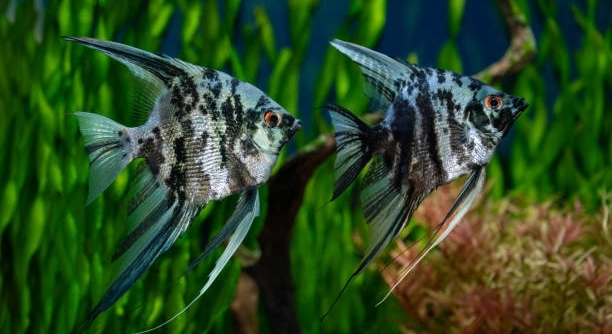
Creating a peaceful environment for your angelfish is key to their well-being. Maintaining harmony in your tank requires attention to various factors, from tank setup to the behavior of tank mates. Here’s how to keep things calm.
Keeping an angelfish tank peaceful involves providing a suitable tank size, maintaining water quality, choosing compatible tank mates, offering plenty of hiding spots, and monitoring feeding schedules. These steps reduce stress and prevent aggressive behavior, ensuring a balanced environment.
Maintaining a peaceful environment will lead to healthier, happier fish. Consistently managing these factors ensures your tank remains calm and your angelfish thrive.
Tank Size Matters
A well-sized tank is essential for creating a peaceful environment. Angelfish can grow quite large, so providing enough space will help reduce territorial issues. A tank that’s at least 30 gallons is recommended to give them ample room to swim and establish their space. In a smaller tank, angelfish might feel cramped, which can lead to stress and aggression. The larger the tank, the more room your angelfish have to spread out and coexist with others.
Having enough space also gives you the chance to add tank mates, which can further reduce aggression. A crowded tank increases the likelihood of confrontations, so always consider both the number of fish and their individual space requirements.
When deciding on a tank size, also think about the layout. A spacious tank with plenty of room for plants, decorations, and hiding spots will further promote peaceful coexistence. Avoid overcrowding and make sure there’s enough swimming area for each fish.
Choosing Compatible Tank Mates
The right tank mates are crucial for reducing stress. Angelfish do best with peaceful fish that won’t challenge them for territory or food.
Species like tetras, gouramis, and corydoras catfish make great companions for angelfish. These fish are calm and stay out of the angelfish’s way. Avoid aggressive or fin-nipping species that could provoke your angelfish, leading to conflict.
Choosing compatible tank mates reduces the chances of territorial behavior. Angelfish are known for their graceful swimming but can become territorial if not given enough space. Mixing peaceful fish and providing them with ample space creates a more relaxed environment. The less stress, the more peaceful the tank.
Water Quality
Water quality plays a significant role in maintaining peace in your angelfish tank. A clean tank promotes better overall health and reduces aggression.
Monitor water temperature, pH, and hardness regularly. Angelfish thrive in slightly acidic to neutral water (6.5 to 7.5 pH) with a temperature range of 75 to 82°F. Ensuring the water is clean and within the proper range minimizes stress and helps keep your fish calm.
Use a reliable filtration system to maintain consistent water conditions. Regular water changes (at least 25% every two weeks) are necessary to remove toxins and debris that can build up over time. Clean water reduces the chances of your angelfish becoming stressed, which could lead to aggression.
Hiding Spots and Decorations
Adding hiding spots and decorations is crucial for maintaining peace. Fish feel secure when they have a place to retreat.
Decorative plants, rocks, and caves provide angelfish with hiding spots where they can rest. It’s important to create a variety of areas to reduce competition for hiding space. Overcrowding the tank with too many objects can limit swimming space, so keep a balance.
Strategically placing decorations can also help disperse any aggression between fish. Angelfish can sometimes become territorial, and having plenty of spots to retreat can prevent conflict. A tank with enough hiding spots offers a safe environment for everyone, promoting peace and relaxation.
Feeding Schedule
A consistent feeding schedule plays a role in maintaining harmony. Angelfish can become aggressive if they feel food is scarce.
Feeding once or twice a day is enough to ensure they receive proper nutrition. Overfeeding can lead to excess waste and water quality problems, while underfeeding can increase stress and aggression. Make sure each angelfish gets enough food to prevent competition.
Distribute the food evenly across the tank to reduce territorial fighting. This prevents one fish from claiming all the food. By sticking to a regular feeding schedule, you ensure all your fish are healthy and less likely to show aggressive behavior.
Avoid Overcrowding
Overcrowding can cause stress and aggression among fish. Too many fish in a small space leads to competition for food, territory, and oxygen.
Aim to maintain a reasonable number of fish based on tank size. For a 30-gallon tank, keep a maximum of 6 to 8 fish. This reduces stress and gives each fish room to thrive.
By not overloading the tank, your angelfish will have enough space to establish territories and avoid unnecessary conflicts.
Regular Water Changes
Regular water changes are vital to keeping the tank peaceful. Clean water helps reduce stress and maintain healthy fish.
Changing 25% of the water every two weeks ensures the removal of toxins and excess nutrients. Regular water changes also promote better filtration and reduce algae buildup, which can contribute to stress.
A stable, clean environment leads to happier fish and prevents water-related issues that can cause aggression.
Tank Lighting
Proper lighting supports peaceful living conditions. Angelfish prefer low to moderate lighting, which mimics their natural habitat.
Harsh lighting can stress your fish and trigger unwanted behavior. Provide gentle light and consider adding plants to diffuse the light. The right lighting encourages natural behavior, helping reduce aggression among tank mates.
FAQ
What should I do if my angelfish are being aggressive?
If your angelfish are showing signs of aggression, try separating them for a while. Move them into different parts of the tank, or if necessary, place them in separate tanks. Reducing stress by improving water quality, adding hiding spots, and keeping tank mates compatible can help. If the aggression continues, check for any health issues or imbalances in the tank environment.
How do I know if my tank is too small for angelfish?
Angelfish need space to swim freely. A 30-gallon tank is the minimum size for one or two angelfish. If you notice that they are constantly swimming in the same area or seem stressed, your tank might be too small. A larger tank gives them room to explore and reduces territorial behavior.
Can I keep angelfish with other fish?
Yes, but you need to choose compatible tank mates. Angelfish are peaceful, but they can become territorial or aggressive if placed with fin-nipping or overly active fish. Good tank mates include tetras, gouramis, and corydoras catfish. Avoid placing them with aggressive species like certain cichlids.
Why do angelfish fight with each other?
Angelfish can be territorial, especially during breeding season. Males may fight for dominance, or females may protect their eggs. If aggression between angelfish becomes severe, try adding more hiding spots or rearranging the tank. If possible, separate the aggressive fish to reduce conflict.
What is the best way to feed angelfish?
Feed angelfish small portions of food 1-2 times a day. Use a mix of flakes, pellets, and frozen foods to ensure they get a balanced diet. Overfeeding can lead to water quality issues, so only offer what they can eat in a few minutes. Remove any uneaten food promptly.
Can I keep angelfish with other species of cichlids?
While angelfish can live with other cichlid species, caution is needed. Some cichlids can be aggressive, which may cause stress or harm to your angelfish. Stick to peaceful cichlid species, and ensure the tank is large enough to accommodate each fish’s territory.
How often should I change the water in my angelfish tank?
Perform water changes every 1-2 weeks, replacing about 25% of the tank’s water each time. Regular water changes prevent the buildup of toxins like ammonia and nitrites, which can stress your angelfish. Consistent water maintenance helps keep the tank peaceful and ensures good water quality.
Why are my angelfish not eating?
If your angelfish aren’t eating, check the water quality and temperature. Poor water conditions or changes in temperature can make fish less active and affect their appetite. Stress from tank mates or a recent move could also be factors. Make sure to offer varied food options to entice them.
Can I add live plants to my angelfish tank?
Yes, live plants are a great addition to an angelfish tank. They provide hiding spots and help improve water quality by absorbing excess nutrients. However, be cautious about plant choices. Angelfish may nibble on delicate plants, so choose sturdy options like anubias or Java fern.
What tank mates should I avoid for angelfish?
Avoid tank mates that are overly aggressive, fin-nipping, or that compete for the same space and food. Fish like bettas, barbs, and large cichlids may cause stress or harm to your angelfish. Always consider the temperament of potential tank mates before adding them.
How do I prevent my angelfish from becoming stressed?
Stress in angelfish can be caused by poor water quality, overcrowding, or incompatible tank mates. To reduce stress, ensure that your tank has proper filtration, plenty of hiding spots, and space for swimming. Keep tank mates peaceful and avoid sudden changes in the tank environment.
Do angelfish need a heater in their tank?
Yes, angelfish are tropical fish and require warm water temperatures between 75-82°F (24-28°C). A reliable aquarium heater will maintain the proper temperature and help keep your angelfish healthy and active. Ensure the heater is suitable for your tank size and monitor the temperature regularly.
How can I tell if my angelfish are healthy?
Healthy angelfish are active, have vibrant colors, and swim smoothly. Look for clear eyes, a healthy appetite, and normal behavior. If your angelfish are lethargic, have faded colors, or show signs of abnormal swimming, it could indicate illness or poor water conditions. Regularly check water parameters to ensure they are within safe ranges.
What should I do if my angelfish are breeding?
If your angelfish are breeding, ensure they have a quiet space to lay their eggs. They may become more territorial and protective during this time. Offer plenty of hiding spots for other fish and monitor the water quality closely. Remove any unhatched eggs or fry if needed to prevent overpopulation.
How long do angelfish live?
Angelfish typically live for 10-15 years when properly cared for. Maintaining good water quality, feeding a balanced diet, and avoiding stress are essential for their longevity. With the right conditions, angelfish can be a long-term companion in your aquarium.
Can angelfish be kept in cold water?
Angelfish are tropical fish and require warm water. Cold water can stress them out and make them susceptible to diseases. If you want to keep angelfish, ensure your tank has a heater to maintain the proper temperature range of 75-82°F (24-28°C).
Do angelfish get along with other fish species?
Angelfish are generally peaceful, but their temperament can vary. They tend to do well with other non-aggressive species. Be mindful of the size and activity levels of other fish. Larger or more aggressive fish can make them feel threatened, leading to stress and potential aggression.
Final Thoughts
Maintaining a peaceful environment in an angelfish tank requires a few key considerations. Keeping the tank clean, avoiding overcrowding, and ensuring that water quality remains optimal are essential. Angelfish, while generally peaceful, can become stressed or aggressive if the conditions are not right. By monitoring the tank’s size, water parameters, and the compatibility of tank mates, you can create a stress-free environment that supports the health and well-being of your fish. Regular care and attention to these details will help avoid issues that could disrupt the balance in the tank.
Choosing the right tank mates for your angelfish is another important aspect. Angelfish thrive in tanks with calm and compatible fish species. Aggressive or overly active fish can stress your angelfish, potentially causing health problems or territorial disputes. Consider species like tetras or corydoras catfish, which tend to be peaceful and do well with angelfish. It is also helpful to ensure that the angelfish have enough space to establish their territories, especially if the tank is home to multiple fish. By carefully selecting tank mates, you create a harmonious atmosphere where all the fish can coexist peacefully.
Ultimately, the key to a peaceful angelfish tank is maintaining a stable environment. Regular water changes, monitoring the tank’s temperature, and providing a balanced diet are essential to keep your angelfish healthy and content. Stress from poor water conditions, overcrowding, or incompatible tank mates can lead to aggression and health issues. By staying on top of these factors and creating a peaceful environment, your angelfish will not only thrive but also enjoy a long and healthy life. The small efforts you put into their care will make all the difference in keeping your tank peaceful and balanced.

Hello,
If you enjoy the content that we create, please consider saying a "Thank You!" by leaving a tip.
Every little bit helps us continue crafting quality advice that supports the health, happiness, and well-being of pets around the world, for pets of all shapes, sizes, and species.
We really appreciate the kindness and support that you show us!