
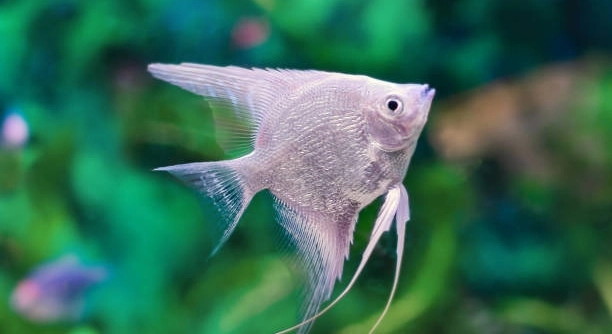
Maintaining an algae-free angelfish tank can seem challenging. Algae growth is common in aquarium environments, but it can be controlled with the right steps. Understanding how to manage algae can enhance the health and appearance of your tank.
The best way to keep your angelfish tank free from algae is by controlling light exposure, maintaining proper filtration, and performing regular water changes. Reducing excess nutrients in the tank helps prevent algae growth and ensures a healthy environment for your fish.
Effective maintenance can help keep your tank clear and your fish healthy. Simple changes can make a significant difference.
Control Light Exposure
Algae thrive in well-lit environments, so controlling light is essential to prevent their growth. Aim for a consistent light schedule, ideally 8 to 10 hours of light per day. Excessive lighting encourages algae blooms, especially when placed near windows where sunlight can filter in. If your tank is in a naturally bright area, consider using a tank cover or curtains to limit direct sunlight.
To reduce algae growth further, use aquarium lights designed for plant growth rather than bright, intense light sources. This type of lighting supports the health of your plants while discouraging excessive algae development. Be mindful of how long your tank is exposed to light, as algae will grow more rapidly if the lights stay on too long. Timely adjustments to your light schedule can make a significant impact on your tank’s algae levels.
Longer lighting periods can overwhelm the tank’s natural balance. A regular light schedule is essential to help control algae without harming the plants or fish.
Maintain Proper Filtration
Good filtration helps remove waste and toxins from the water, creating an environment where algae are less likely to thrive. Regular maintenance of your filter ensures it continues to function optimally. Clean the filter monthly to avoid debris buildup and keep your tank’s water clear.
Proper filtration is crucial in keeping your tank free from excess nutrients that algae feed on. Make sure the filtration system matches the size of your tank. A powerful filter will remove organic waste, keeping your water pristine and algae-free. A balanced filtration system also prevents harmful buildup that could otherwise harm your angelfish.
Perform Regular Water Changes
Regular water changes help control algae growth by removing excess nutrients. Changing 10 to 15% of the water every week will keep your tank in balance. This prevents buildup of substances that algae feed on, such as nitrates and phosphates, ensuring a healthier environment for your angelfish.
Water changes also improve the water quality, removing any organic matter that could trigger an algae bloom. When you replace a portion of the water, it resets the tank’s nutrient levels. Make sure the water you add matches the tank’s temperature and pH levels to prevent stress on your fish. Consistency is key.
Keep in mind that water changes should be done gradually. Overchanging water can cause sudden fluctuations in your tank’s environment, leading to stress for your fish. Stick to a manageable schedule to maintain the best conditions.
Add Live Plants
Live plants naturally help control algae by competing for nutrients. Fast-growing plants, such as Java moss or Anubias, can absorb excess nutrients, making it harder for algae to grow. Additionally, plants provide oxygen and shelter for your angelfish, creating a more natural environment.
Make sure to select plants that thrive in your tank’s conditions, and remember to prune them regularly to prevent them from overcrowding the tank. Healthy plants reduce the amount of organic waste, which helps maintain water quality. Keep an eye on your plants to ensure they’re not contributing to excess waste buildup.
When planting, consider adding some floating plants to block light from reaching the water’s surface. This can further reduce the potential for algae to grow in your tank. The presence of healthy plants not only improves the water quality but also enhances the overall beauty of the aquarium.
Avoid Overfeeding
Overfeeding leads to excess nutrients in the tank, which encourages algae growth. Only feed your angelfish what they can consume within a few minutes. Leftover food decomposes, adding unnecessary waste that algae thrive on.
Adjust the amount of food based on the number of fish and their size. Monitor how much is eaten and remove any excess to maintain clean water. Overfeeding not only contributes to algae but also can harm water quality, leading to stress for your fish. It’s essential to keep feeding portions controlled.
Use Algae-Eating Fish
Adding algae-eating fish, such as Siamese algae eaters or otocinclus catfish, helps naturally manage algae in the tank. These fish graze on algae, reducing its buildup and keeping the tank cleaner. However, make sure the species you choose are compatible with your angelfish.
Algae-eating fish need a balanced diet to stay healthy, so don’t rely solely on them to control algae. Supplement their diet with algae wafers or blanched vegetables. It’s important to maintain a balance and ensure that all your fish are getting the proper nutrition while keeping the algae under control.
Control Water Temperature
Maintaining the right water temperature is important for the health of your angelfish and the control of algae. Algae grow best in warm water, so keeping the temperature within the recommended range for your fish helps prevent overgrowth.
In general, keeping the tank at a steady 76 to 82°F (24 to 28°C) will prevent excess algae growth. If the water is too warm, algae may flourish, while too cold of a temperature can stress your fish. Regularly check the water temperature to ensure it stays stable, as fluctuations can cause stress.
FAQ
What causes algae to grow in my angelfish tank?
Algae growth is typically caused by excess nutrients like nitrates and phosphates, which often come from overfeeding or poor filtration. If your tank is exposed to too much light or has insufficient water changes, algae can quickly start to thrive. The more nutrients available, the faster algae will grow, covering surfaces and possibly affecting water quality.
How can I prevent algae from growing in my tank?
To prevent algae, keep your tank’s light exposure under control, avoid overfeeding your fish, and ensure your filtration system is working well. Regular water changes, maintaining a proper tank temperature, and adding live plants can also help create an environment where algae struggle to survive.
Do algae-eating fish really help?
Yes, algae-eating fish can assist in controlling algae. Species like Siamese algae eaters or otocinclus catfish graze on algae, reducing the growth of unwanted organisms in the tank. However, they should not be relied on solely for algae control. Proper tank maintenance is still necessary to keep algae in check.
What are the best algae-eating fish for an angelfish tank?
Siamese algae eaters, otocinclus catfish, and algae shrimps are good choices for a tank with angelfish. They are gentle and effective at keeping algae under control without disturbing other fish. Avoid species that are too aggressive or could stress your angelfish.
Can I use chemicals to remove algae from my tank?
While chemical treatments can be effective in removing algae, they should be used with caution. Many algae treatments can harm your fish, plants, and the biological filter. It’s best to rely on natural methods, such as controlling light and nutrients, and using algae-eating fish, before resorting to chemicals.
How often should I clean my angelfish tank?
Cleaning your tank depends on its size, the number of fish, and the type of filtration system. Generally, it’s best to perform a partial water change of 10 to 15% once a week. Clean the filter monthly, and make sure to remove any algae growth during regular maintenance.
What kind of lighting is best for reducing algae growth?
Using aquarium lights that are specifically designed for plant growth rather than high-intensity lights can help control algae. Limiting the light exposure to 8 to 10 hours a day reduces the opportunity for algae to grow. Consider using a timer to ensure consistent lighting times.
Can I use live plants to control algae?
Yes, live plants can help control algae by competing for the same nutrients. Fast-growing plants like Java moss and Anubias are particularly effective. They absorb the nutrients that algae feed on, reducing the available resources for algae to grow. Regular pruning of plants also helps maintain a healthy tank environment.
What is the ideal water temperature for preventing algae growth?
Algae tend to grow faster in warmer water, so keeping your tank at a steady 76 to 82°F (24 to 28°C) is ideal for angelfish while preventing excess algae. Fluctuating temperatures can stress your fish and promote algae growth, so maintaining a stable temperature is essential.
How do I know if my angelfish tank is overfed?
If your angelfish tank is overfed, you might notice excess food floating around, cloudiness in the water, or an increase in algae growth. Uneaten food decomposes and adds nutrients to the tank, promoting algae. Be sure to feed only as much as your fish can consume in a few minutes.
How do I remove algae once it’s already in the tank?
To remove algae, manually scrub surfaces with an algae scraper or sponge. You can also use a siphon to vacuum the substrate and remove any algae or debris. If the problem persists, consider adding more algae-eating fish or adjusting your tank’s lighting and feeding routine. Regular maintenance is key.
Is it safe to add algae control chemicals to my tank?
Algae control chemicals should be used sparingly and as a last resort. Many treatments can harm your fish and plants. Always read the label and follow the instructions carefully. It’s safer to first try natural methods, such as controlling the tank’s light, nutrients, and filtration.
Final Thoughts
Maintaining an algae-free angelfish tank requires consistent care and attention to several factors. By controlling the amount of light your tank receives, you can limit algae growth. Algae thrive in bright conditions, so using a timer to ensure the lights are on for a set period each day helps prevent overexposure. Additionally, avoiding overfeeding is essential. Uneaten food increases the nutrients in the water, providing the perfect environment for algae to grow. Feeding your angelfish only as much as they can eat within a few minutes minimizes waste and helps keep the tank clean.
Water quality plays a crucial role in controlling algae growth. Regular water changes remove excess nutrients that algae feed on. Ideally, changing 10-15% of the water every week helps maintain a healthy balance in the tank. It’s also important to monitor the filter and make sure it’s working effectively. A well-maintained filter ensures that excess organic matter is removed, reducing algae growth. Live plants can also be a helpful addition. They naturally absorb nutrients and compete with algae, helping to keep the tank’s environment balanced.
Using algae-eating fish is another effective way to control algae in your tank. Species like Siamese algae eaters or otocinclus catfish actively graze on algae, preventing its buildup. However, it’s important not to rely solely on these fish. A combination of proper tank maintenance, regular water changes, appropriate lighting, and a healthy balance of plants will keep algae under control and your angelfish happy. By following these steps, you can create a cleaner, healthier environment for your fish and enjoy the beauty of a thriving, algae-free aquarium.

Hello,
If you enjoy the content that we create, please consider saying a "Thank You!" by leaving a tip.
Every little bit helps us continue crafting quality advice that supports the health, happiness, and well-being of pets around the world, for pets of all shapes, sizes, and species.
We really appreciate the kindness and support that you show us!