
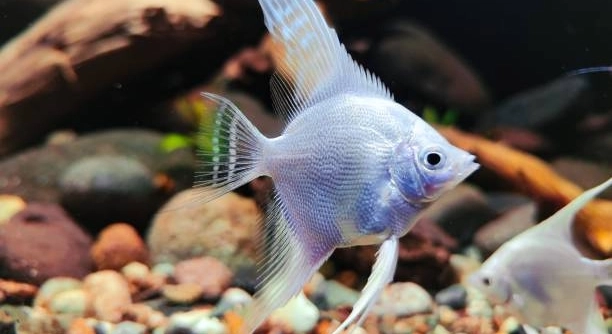
Are your angelfish acting aggressive and chasing other tank mates around more than usual? Territorial behavior can be stressful for both the fish and their owner. Learning how to manage this can help create a calmer aquarium environment.
Angelfish often become territorial due to overcrowding, lack of hiding spots, or breeding behavior. Reducing stressors, rearranging decorations, maintaining proper tank size, and offering visual barriers can help reduce aggression and promote peaceful interactions among fish.
There are several small changes you can make to improve your angelfish’s behavior and support a more balanced aquarium environment. These practical tips are easy to implement and beneficial for long-term tank harmony.
Give Them Enough Space
A crowded tank can lead to stress and aggression in angelfish. These fish need room to swim freely and establish their own territory. When space is limited, they are more likely to feel threatened, which increases territorial behavior. A good rule of thumb is to provide at least 20 gallons for a pair of angelfish. If you have more, make sure the tank size increases accordingly. The height of the tank also matters since angelfish are tall-bodied fish. A taller tank gives them the vertical space they prefer. Along with the right size, try to avoid overstocking with too many fish, as this can quickly make the environment feel cramped. Adding more space can instantly ease tension between fish and make your angelfish feel more secure. You’ll start to notice fewer chases and nips when they no longer feel the need to compete for space.
A larger tank naturally gives each fish its own territory and space to retreat.
Creating a comfortable tank size for your angelfish isn’t just about space—it’s about balance. When fish have room to move without being forced into contact, they feel safer. This sense of comfort reduces aggressive behavior and encourages calm, steady swimming patterns. Consider upgrading if your tank is feeling too busy.
Rearrange the Decor
Changing the tank layout resets established territories.
Angelfish remember their environment and can become attached to specific areas. When the decorations stay the same, dominant fish often claim one section of the tank and defend it aggressively. This can lead to bullying behavior. By rearranging plants, driftwood, and rocks, you disrupt their sense of ownership and encourage them to explore new areas. This change resets their pecking order in a subtle way. It can prevent one angelfish from becoming overly dominant, especially if you rearrange the tank whenever new fish are added. Focus on creating sections with visual barriers to break lines of sight. This helps weaker fish escape without being chased too far. Moving items around also keeps the tank more stimulating and engaging for the fish. You can rotate decorations regularly to maintain interest without causing too much stress. Just be sure to make changes slowly to avoid overwhelming the fish with too many shifts at once.
Add More Hiding Spots
Hiding spots help reduce stress by giving fish safe areas to retreat. When angelfish have places to hide, they feel less exposed and are less likely to act out. This can lower their need to guard open spaces.
Use plants, rocks, and decorations to break up open areas and create small shelters. Live plants like Amazon swords or floating plants also soften light, which angelfish tend to prefer. A well-planted tank can make shy fish more confident and help aggressive ones calm down. Spread the hiding spots evenly to prevent one fish from claiming the entire tank. Driftwood and tall plants also provide vertical coverage, which suits angelfish well. You don’t need to overcrowd the tank—just enough to offer natural separation between territories. This helps keep the peace and promotes healthy movement and interaction.
Hiding spaces are also useful when introducing new fish. They offer a buffer, allowing the new arrivals to settle without being overwhelmed. If your angelfish are showing signs of tension, try adjusting the placement of your decorations to create more secluded areas. This simple change can have a big impact on reducing aggressive behaviors, especially in tanks that are already feeling a bit too exposed.
Keep the Tank Calm
Loud noises, sudden movements, and frequent disturbances near the tank can cause fish to become stressed. When angelfish are on edge, they may act more aggressively toward tank mates. A peaceful setup helps them stay relaxed.
Place the aquarium in a low-traffic area of your home, away from doors, TVs, and loudspeakers. Avoid tapping the glass or switching lights on and off too quickly. Using a timer for the lights can help maintain a steady rhythm that reduces stress. Some angelfish are more sensitive than others, so small disruptions might affect them more than expected. Try to observe your tank during quieter moments to see how your fish behave when they’re calm. You may notice smoother swimming and fewer territorial displays. Reducing commotion around the tank supports a more stable environment.
Maintaining calm inside the tank is also important. Aggressive tank mates or fast-moving species can increase stress levels. Stick with peaceful fish that won’t challenge the angelfish or provoke aggression. Watch for signs of stress like rapid breathing, hiding, or nipping. These are clues that the environment might be too intense. A soft filter output can also help, as strong currents can cause agitation. Aim for a gentle, consistent setup that encourages steady behavior and helps every fish feel secure in its space.
Avoid Overfeeding
Too much food can lead to poor water quality and increased aggression. Excess waste stresses fish and makes them more irritable. Stick to small portions once or twice a day and remove uneaten food quickly.
Feeding in separate spots helps reduce competition and keeps dominant fish from bullying others. Spread the food out evenly.
Choose Tank Mates Carefully
Not all fish get along with angelfish. Avoid keeping them with fin-nippers or overly active species. Ideal tank mates include peaceful fish that prefer different swimming zones, like bottom dwellers or mid-level swimmers. Always research compatibility before adding new fish to your setup. Introduce them slowly to reduce stress.
Maintain Stable Water Conditions
Angelfish react strongly to sudden changes in water quality. Keep temperature, pH, and ammonia levels steady with regular testing and partial water changes. This helps reduce aggressive behavior linked to stress.
FAQ
Why are my angelfish chasing each other all the time?
Chasing is a common territorial behavior in angelfish. It often happens when the tank is too small or lacks enough hiding spaces. Angelfish use chasing to claim areas they see as theirs. It’s also common during mating, where one fish chases away others from the spawning site. If the behavior becomes aggressive—leading to torn fins or constant stress—you may need to rearrange the tank or separate the fish. Creating more visual barriers and ensuring enough room for each fish can help lower the intensity of these chases.
Can angelfish be kept in groups without fighting?
Angelfish can live in groups, but the group size and tank setup matter. A small group of at least five or six angelfish spreads out aggression more evenly. In smaller groups, one fish may become dominant and pick on the others. A larger tank with clear territories and vertical space can make group living smoother. If you notice one fish becoming too aggressive, removing it or rehoming may be necessary. Watch for signs of bullying like hiding, torn fins, or loss of appetite, and act quickly to avoid long-term stress.
Do angelfish get more territorial as they age?
Yes, angelfish often become more territorial as they mature. Juveniles may get along fine, but adults tend to establish territories and defend them strongly. This behavior intensifies when they pair off and begin to breed. Mature angelfish also develop stronger personalities and may become more aggressive depending on their individual temperament. Keeping their environment enriched and well-spaced helps reduce issues. If necessary, separating aggressive adults into their own tank can prevent harm to other fish and reduce constant stress within the aquarium.
How can I tell if my angelfish is stressed from territorial behavior?
Signs of stress include hiding, faded colors, torn fins, rapid gill movement, or loss of appetite. If your angelfish constantly guards a corner or chases others away from a specific area, it’s showing territorial aggression. Stressed angelfish may also become less active or more skittish. Monitoring their daily behavior helps you spot changes early. If you notice these signs, check your tank conditions, reduce disturbances, and ensure there are enough hiding spots. Reducing the fish population slightly may also help restore calm to the environment.
Should I separate aggressive angelfish?
If one angelfish is causing harm—such as biting fins or chasing nonstop—it may be time to separate it. Prolonged aggression can weaken tank mates, leading to illness or death. Try adjusting the tank layout first by adding more decorations or moving objects around to break up territories. If the aggression continues, relocate the aggressive fish to another tank or use a divider. In some cases, aggression is temporary and linked to breeding. Still, consistent attacks should not be ignored and are best handled early to protect the group.
Do angelfish get along with other types of fish?
Angelfish can live peacefully with the right tank mates. Avoid fish that are known to nip fins, like tiger barbs, or those that swim too fast and make angelfish nervous. Good companions include peaceful tetras, corydoras, gouramis, and dwarf cichlids. Make sure the tank is large enough so each species has its own space. Some trial and error may be needed to find the best match, but a calm, balanced community is possible with the right setup and careful monitoring.
Is a larger tank better for reducing territorial behavior?
Yes, a larger tank helps reduce aggression by giving angelfish more room to establish their own spaces. Tanks that are too small force fish into constant contact, increasing stress and fights. A tank of at least 30 gallons for a pair or 55 gallons for a group works well. Taller tanks are especially good because angelfish prefer vertical space. The more space you provide, the easier it is to manage personalities and prevent territorial clashes. Bigger tanks also support more plants and hiding areas, which help fish feel secure.
Can rearranging the tank decorations help with aggression?
Rearranging decorations breaks up established territories and helps lower aggressive behavior. When you move plants, rocks, or driftwood, angelfish are forced to adjust and may become less territorial. This is useful when introducing new fish or if one fish is dominating the tank. It levels the playing field and encourages new exploration instead of guarding specific spots. Do this during a water change or feeding time to minimize stress. The change doesn’t need to be major—just enough to shift boundaries and reset behavior patterns.
Final Thoughts
Keeping angelfish from becoming too territorial is possible with the right care and attention. These fish are beautiful but can be sensitive to space, tank mates, and changes in their environment. Paying attention to their behavior can help you understand when things are going well or when something needs to be adjusted. A peaceful tank does not happen by accident—it takes planning, regular observation, and sometimes a few changes to make sure each angelfish feels safe and calm in its space. Even small changes like adding a plant or moving a decoration can help lower aggression.
Territorial behavior is normal for angelfish, especially during breeding or when they feel their space is being threatened. However, constant aggression is not healthy for them or other fish. That’s why tank size, layout, and group dynamics are important. Giving your angelfish enough space, a stable environment, and proper companions helps prevent most behavior issues before they start. When angelfish are not stressed, they show more natural behaviors and interact in a calm, steady way. This creates a better experience for both the fish and anyone watching them. It also helps avoid injury, illness, or long-term problems that can develop in a stressful setting.
Territorial problems often improve with a little time and patience. Sometimes, a fish just needs to settle in, or a pair needs space to breed without interruption. If things don’t improve, separation or rearranging the tank can make a big difference. Always monitor changes carefully and give the fish time to adjust. Creating a stable routine with regular feeding and tank maintenance supports healthy behavior. In the end, angelfish are rewarding to care for and can thrive in a shared tank with a little support. Understanding their needs and making small, consistent efforts leads to a calm, balanced aquarium that both fish and fish keepers can enjoy.

Hello,
If you enjoy the content that we create, please consider saying a "Thank You!" by leaving a tip.
Every little bit helps us continue crafting quality advice that supports the health, happiness, and well-being of pets around the world, for pets of all shapes, sizes, and species.
We really appreciate the kindness and support that you show us!