
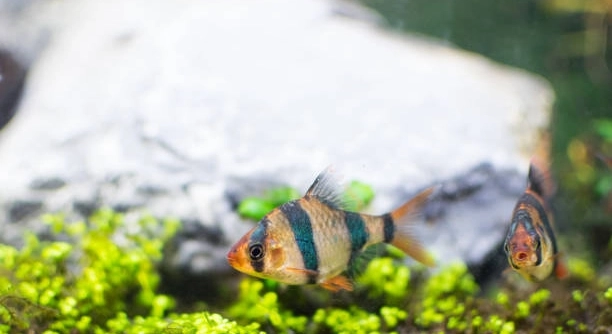
Do you ever find yourself struggling to keep your tiger barb tank looking clean, no matter how often you maintain it?
The most effective way to keep tiger barb water crystal clear is by combining proper filtration, regular water changes, and careful feeding. These steps prevent buildup of waste, control algae, and ensure a healthy, balanced aquatic environment.
Simple adjustments and consistent care can make a big difference in keeping your tank beautiful and your tiger barbs healthy.
Choose the Right Filter
A strong, high-quality filter is essential for keeping tiger barb water clear. Look for a filter that’s rated for a tank slightly larger than yours to ensure better flow and efficiency. Tiger barbs are active fish, and their waste can build up quickly. A good filter will remove debris, excess food, and waste particles before they cloud the water. Use a combination of mechanical, biological, and chemical filtration. Mechanical filtration traps particles, biological supports beneficial bacteria, and chemical removes impurities. Clean or replace filter media regularly to maintain peak performance. Avoid overloading your tank, as even the best filter can’t fix overcrowding.
Choose a filter with adjustable flow to reduce stress on your fish while still keeping the water circulating properly.
If your filter isn’t powerful enough or isn’t cleaned regularly, it can slow down and fail to catch floating particles. Always monitor its output and clean the components as needed.
Perform Regular Water Changes
Partial water changes are one of the easiest ways to improve water clarity. Aim to change 20–30% of the tank water every week.
Frequent water changes help remove dissolved waste that can’t be filtered out, like nitrates and leftover nutrients. These invisible contaminants accumulate over time and contribute to cloudiness. Use a siphon to vacuum the substrate during each change, especially in areas with debris buildup. Always treat new water with a dechlorinator and match its temperature to the tank to avoid stressing the fish. Keeping up with weekly changes also helps stabilize water parameters, which benefits both water clarity and the health of your tiger barbs. It might feel repetitive, but staying consistent with this step prevents future issues and keeps the tank looking fresh. Avoid waiting until the water looks dirty—it’s better to be proactive and stick to a routine.
Control Feeding Amounts
Feeding too much creates excess waste and cloudiness. Only feed your tiger barbs what they can finish in under two minutes, once or twice a day. Uneaten food breaks down fast, releasing ammonia and other waste that the filter may not handle well.
Overfeeding is one of the most common reasons water turns cloudy. Tiger barbs are quick eaters, so it’s easy to assume they need more food. Stick to small, measured amounts and observe their feeding behavior. If food falls to the bottom or floats around uneaten, reduce the portion next time. Remove leftovers within five minutes using a net or siphon. Use quality flakes or pellets that don’t dissolve quickly. Over time, keeping feeding under control helps reduce waste buildup and keeps the water cleaner and more stable. It’s a small step that makes a noticeable difference in tank clarity and fish health.
Some fishkeepers like to fast their tiger barbs one day a week. This can help regulate digestion and reduce the amount of waste entering the water. It’s not necessary, but if your water stays cloudy even with careful feeding, it might help. Avoid treats like bloodworms more than once a week—they create more waste and can throw off water balance.
Clean the Substrate Often
Uneaten food, plant debris, and fish waste settle in the substrate. If left too long, this can cloud the water and create poor conditions. Cleaning it weekly with a gravel vacuum helps remove buildup before it breaks down.
Neglecting the substrate causes waste to decay and release nutrients into the water. These extra nutrients feed algae and disrupt the tank’s balance. Use a gravel vacuum during water changes and take your time cleaning different sections of the tank each week. Avoid stirring up the whole substrate at once, as this can release too much debris into the water. If you use sand instead of gravel, lightly hover the vacuum above the surface to suck up waste without disturbing the sand bed too much. Consistent substrate cleaning also helps beneficial bacteria thrive, which keeps the water healthier overall. A clean base means fewer problems with cloudiness and better water quality.
Add Live Plants
Live plants naturally absorb waste like nitrates and phosphates, helping to keep the water clearer. Fast-growing species like hornwort or anacharis work well and are easy to care for in a tiger barb tank.
Plants also compete with algae for nutrients, which helps control algae growth. Less algae means cleaner water and less scrubbing.
Reduce Light Exposure
Too much light encourages algae growth, which clouds the water and makes the tank look dirty. Keep lights on for 6–8 hours a day, and avoid placing the tank near windows. Use a timer for consistency and make adjustments based on algae growth.
Test Water Regularly
Water that looks clear can still have problems. Testing helps you track ammonia, nitrite, nitrate, and pH. When these levels are stable, the water stays healthier and clearer for longer. Use test strips or a liquid kit once a week.
FAQ
How often should I clean the filter in my tiger barb tank?
You should clean your filter every 2 to 3 weeks, depending on how stocked your tank is. Rinse the mechanical media like sponges in old tank water to remove debris without harming the beneficial bacteria. Avoid using tap water, as chlorine can kill the bacteria. Replace chemical media like activated carbon monthly, and only replace biological media when it begins to fall apart. A clean, well-functioning filter helps prevent water from becoming cloudy and supports a healthy tank environment.
Can I use bottled water in my tiger barb tank?
You can use bottled water, but it’s not always the best choice. Bottled water might lack essential minerals or have unstable pH levels. It can also be costly over time. If you decide to use it, make sure it’s not distilled or purified by reverse osmosis unless you remineralize it. Tap water treated with a good conditioner is usually more practical and stable for tiger barb tanks. Always test the water before using it to make sure it meets your tank’s needs.
Why is my water cloudy after a water change?
Cloudiness after a water change is usually caused by disturbed debris, bacterial blooms, or sudden shifts in water chemistry. If you stir up the substrate too much, debris can float around before the filter clears it. A bacterial bloom might occur when fresh water slightly changes the tank’s balance, but it usually clears up in a day or two. Make sure new water is dechlorinated and close to the tank’s temperature. If the problem continues, test your water to rule out ammonia or nitrite spikes.
Do tiger barbs produce more waste than other fish?
Tiger barbs are active swimmers and can be messy eaters, which leads to more visible waste. They do tend to create more organic material than some slower or smaller fish. A strong filter, proper feeding, and regular cleaning help manage this well. Avoid overcrowding and monitor water parameters regularly. It’s not that they’re unusually dirty, but their behavior makes it more obvious when the tank isn’t well-maintained.
Is it safe to add water clarifiers to my tank?
Water clarifiers are safe if used occasionally and according to the instructions. They work by clumping fine particles together so the filter can remove them more easily. However, they don’t fix the root cause of cloudy water. Relying on them too often can create dependency and mask bigger problems. Use them only when needed, and always identify what’s causing the water to be unclear before reaching for a quick fix.
How can I tell if algae is the reason my water looks dirty?
If your tank water has a green tint or you see film on the glass, algae is likely the cause. Algae blooms are often due to too much light or excess nutrients in the water. Check your lighting schedule and reduce feedings slightly. Adding live plants and doing more frequent water changes can help. If needed, use an algae scraper or magnet to clean the glass and trim plants that have heavy algae growth.
Can cloudy water harm my tiger barbs?
Cloudy water can become harmful if it’s caused by ammonia or nitrite spikes, bacterial overgrowth, or poor oxygen levels. These issues stress the fish and may weaken their immune system. Always test the water if it looks off. If levels are safe and fish seem healthy, mild cloudiness may just be cosmetic. But ignoring persistent cloudy water can lead to serious problems over time. Clear water usually reflects a stable, well-maintained tank that supports healthy, active tiger barbs.
What’s the best substrate for keeping water clear?
Fine gravel is often the easiest substrate to keep clean in a tiger barb tank. It doesn’t trap debris as easily as sand and works well with most siphon vacuums. Sand looks nice but can be tricky—waste sits on the surface and is harder to remove without disturbing the water. If you choose sand, go for a heavier type and clean it carefully. No matter what substrate you use, regular vacuuming is key to maintaining water clarity and avoiding waste buildup.
Final Thoughts
Keeping tiger barb water crystal clear is all about staying consistent with your care routine. Each small task—like feeding the right amount, changing the water weekly, or vacuuming the gravel—plays an important role. If you skip one part, the tank can start to look cloudy or smell off. It’s not just about appearances either. Clean water means your tiger barbs will be healthier, more active, and less stressed. Clear water shows that your tank is stable and balanced, which helps prevent sudden problems like ammonia spikes or algae blooms.
Filters, water changes, and feeding are the foundation of good care, but small details also matter. Watching how your fish behave, checking water parameters often, and adjusting the lighting can all help. Adding live plants can be a simple way to improve the tank’s appearance while supporting water quality. If you stay on top of things and make small adjustments when needed, your water will stay clean and your fish will thrive. Even when the tank looks fine, it’s still important to keep up with maintenance so problems don’t develop over time.
Owning tiger barbs can be enjoyable and rewarding when you understand what they need. Clear water doesn’t mean perfection—it means stability and attention to the basics. There’s no need to rely on quick fixes or overcomplicate your setup. Focus on consistent, simple habits that support the health of your tank. Once you find a routine that works for you and your fish, it becomes easier to keep things in check. A clean tank helps your fish feel comfortable and keeps the water safe for them every day.

Hello,
If you enjoy the content that we create, please consider saying a "Thank You!" by leaving a tip.
Every little bit helps us continue crafting quality advice that supports the health, happiness, and well-being of pets around the world, for pets of all shapes, sizes, and species.
We really appreciate the kindness and support that you show us!