
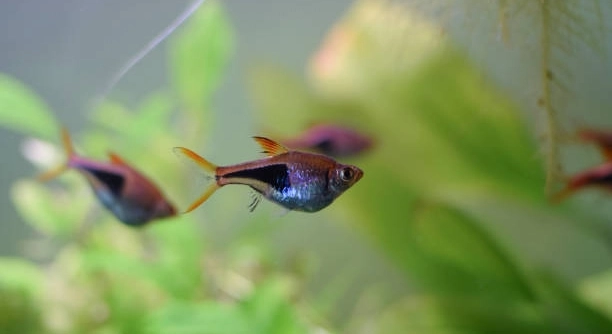
Rasboras are small, lively fish that thrive in groups. Keeping them social and active can make your aquarium more vibrant and engaging. Observing their natural behavior can be both relaxing and rewarding for fish keepers everywhere.
Ensuring rasboras remain social and active requires proper tank size, group living, consistent feeding, and environmental enrichment. Regularly maintaining water quality and providing hiding spots encourages natural schooling behavior, reduces stress, and supports their overall health and activity levels.
Implementing these simple strategies will help your rasboras stay lively, happy, and interactive within their aquatic environment. Their energy and group dynamics can enhance your aquarium’s appeal.
Choosing the Right Tank Size
A spacious tank is essential for keeping rasboras social and active. Small tanks limit their movement and can increase stress, causing them to hide or become less interactive. For a small school of six to eight rasboras, a minimum tank size of 20 gallons is recommended. This space allows them to swim freely, establish territories, and display natural schooling behavior. A larger tank also makes it easier to maintain stable water conditions, reducing the risk of sudden changes in temperature or chemistry that could disrupt their activity levels. Adding plants, decorations, and open swimming areas creates a balanced environment. Rasboras feel more secure with hiding spots, which also encourage exploration. By planning your tank size carefully, you provide the foundation for a lively, healthy school that interacts naturally. Overcrowding can quickly lead to aggression or lethargy, so consider future growth and additional species before settling on tank dimensions.
Providing enough room encourages active swimming and social interaction among all the fish. It keeps the group dynamic healthy.
A tank that meets both space and enrichment needs helps rasboras display their best behavior. When they can move freely, the fish maintain consistent schooling patterns. Adding plants and gentle water flow enhances their activity while offering shelter, making them feel safe. A well-sized tank also allows for proper filtration, reducing waste buildup and keeping water quality high. When the environment is comfortable, rasboras are more likely to interact with each other and explore every corner. Small tanks may restrict movement and cause stress, while larger setups encourage natural behavior. Watching them glide through plants or chase each other across open spaces can be rewarding. Consistent tank maintenance combined with adequate space ensures that the fish remain energetic, social, and healthy for years. By choosing the right tank size, you set the stage for a thriving aquatic community.
Maintaining Proper Water Conditions
Stable water conditions are critical for rasboras’ well-being. Fluctuating temperatures or poor water quality can stress the fish, making them less social and more prone to illness.
Monitoring temperature, pH, and ammonia levels regularly ensures a healthy environment. Filters and regular water changes are essential.
Keeping water parameters consistent allows rasboras to exhibit natural behaviors and remain active. Rasboras thrive in slightly acidic to neutral water with a temperature range of 72-78°F. Sudden shifts in water chemistry can trigger hiding or erratic swimming, which disrupts social interaction. Routine water testing and maintenance prevent harmful buildup of ammonia or nitrites that can weaken the fish. A reliable filtration system combined with partial weekly water changes helps maintain clarity and chemical balance. Adding live plants can further stabilize water conditions and provide natural enrichment. By establishing and monitoring proper water conditions, rasboras feel secure, confident, and more likely to school together, explore the tank, and display their vibrant personalities. Stable water not only promotes health but also supports consistent activity and social interaction within the aquarium.
Keeping Rasboras in Groups
Rasboras are schooling fish and do best in groups of six or more. Keeping them together reduces stress and encourages natural swimming patterns. A larger group makes interactions more consistent, keeping them active and social throughout the day.
A school of rasboras demonstrates coordinated swimming that smaller groups cannot. When kept alone or in pairs, they may hide more often and appear less vibrant. Larger groups create a sense of security, allowing each fish to explore without fear. Observing a full school moving in harmony is not only visually appealing but also indicates that the fish are healthy and comfortable. Proper group size supports natural behaviors like foraging and synchronized movement, which contributes to overall tank activity. Additionally, social interactions help prevent aggressive tendencies that sometimes arise in stressed or isolated individuals. By maintaining a suitable number of rasboras, you ensure a lively and engaging aquarium.
Grouping rasboras also improves feeding behavior. Fish in schools are more confident approaching food and less likely to be intimidated by tankmates. A balanced group ensures each fish gets access to nourishment while reducing competition. When all members are engaged, the tank feels energetic and active. Proper schooling encourages exploration, reduces hiding, and strengthens the social bonds that keep rasboras thriving.
Providing a Stimulating Environment
Adding plants, rocks, and gentle currents creates an environment that encourages activity. Hiding spots make rasboras feel safe while open areas let them swim freely.
A mix of natural and artificial decorations improves movement and exploration. Fish explore different levels and spaces, reducing boredom and promoting natural behavior.
A stimulating tank layout keeps rasboras engaged daily. Live plants provide shelter, areas for resting, and surfaces for biofilm growth that some species graze on. Rocks and driftwood add vertical and horizontal variation, allowing the fish to navigate multiple layers of the tank. Gentle currents simulate natural conditions, prompting active swimming and coordination among the group. Avoid overcrowding decorations, as too many obstacles can restrict movement and create stress. Changing plant positions or introducing new elements gradually can refresh their environment and spark curiosity. By thoughtfully designing the tank, you provide both comfort and opportunities for activity, ensuring rasboras remain lively, social, and consistently engaged.
Consistent Feeding Schedule
Rasboras respond well to a regular feeding schedule. Offering food at the same times each day helps maintain energy levels and encourages predictable activity.
Feeding smaller portions multiple times a day keeps them engaged and reduces competition. Overfeeding can lead to water quality issues and sluggish behavior.
Introducing Tank Mates
Choosing compatible tank mates can enhance social behavior. Peaceful species that occupy different tank levels prevent stress and allow rasboras to school naturally. Active, non-aggressive fish help maintain a lively environment while avoiding conflicts that could reduce their activity.
Monitoring Health
Regularly observing your rasboras ensures early detection of illness. Healthy fish are more active and interactive, while signs of stress or disease require immediate attention.
FAQ
How many rasboras should I keep together?
Rasboras are schooling fish and need to be in groups of at least six to eight to feel secure. Smaller groups often lead to stress, hiding, and reduced activity. Larger schools allow natural behaviors like coordinated swimming, foraging, and social interaction, keeping the fish active and healthy.
What is the ideal tank size for rasboras?
A minimum tank of 20 gallons is recommended for a small school. Larger tanks provide more swimming space, reduce stress, and allow room for plants and decorations that stimulate activity. Overcrowding can lead to aggressive or lethargic behavior.
How often should I feed my rasboras?
Feeding small portions two to three times a day works best. This schedule keeps them active and reduces competition over food. Avoid overfeeding, as leftover food can harm water quality and lead to sluggish fish.
Which water conditions are best for rasboras?
Rasboras thrive in slightly acidic to neutral water with a temperature range of 72-78°F. Stable water conditions are crucial, as fluctuations can stress the fish and decrease activity. Regular testing for pH, ammonia, nitrites, and nitrates ensures a healthy environment.
Can rasboras live with other fish?
Yes, but tank mates must be peaceful and occupy different levels of the tank. Aggressive or territorial fish can stress rasboras, reducing their activity and social interaction. Suitable companions include tetras, small gouramis, and snails.
How can I encourage active behavior?
Providing a stimulating environment with plants, rocks, and gentle currents encourages exploration and swimming. Hiding spots reduce stress while open spaces allow coordinated schooling. Rearranging decorations periodically can spark curiosity and keep activity levels high.
What signs indicate my rasboras are stressed?
Lethargy, hiding, loss of color, or reduced appetite are common indicators. Stress often results from poor water quality, overcrowding, or incompatible tank mates. Early detection helps prevent illness and ensures fish remain social and active.
How do I maintain water quality?
Regular partial water changes, proper filtration, and avoiding overfeeding are key. Live plants can also improve water quality by absorbing nitrates. Consistent monitoring prevents harmful chemical buildup, ensuring rasboras stay healthy and energetic.
Is lighting important for rasboras?
Yes, moderate lighting helps establish a day-night cycle, promoting natural activity. Avoid overly bright lights, which can stress the fish. Adding floating plants can diffuse light and create shaded areas for comfort.
How can I tell if my rasboras are healthy?
Active swimming, schooling behavior, bright coloration, and regular feeding are signs of healthy rasboras. Fish that explore the tank, interact with each other, and respond to food consistently are generally in good condition. Regular observation ensures long-term well-being.
Do rasboras need live plants?
While not strictly necessary, live plants provide shelter, improve water quality, and encourage exploration. Floating plants create shaded areas that make fish feel secure, while rooted plants add vertical space for swimming and play. Plants support both social interaction and natural behaviors.
What should I do if a fish gets sick?
Quarantine the affected fish immediately and check water parameters. Treat with appropriate medication based on the symptoms. Maintaining clean water, proper nutrition, and reducing stressors helps prevent the spread of illness and keeps the rest of the school active.
Can rasboras adapt to new tanks easily?
Yes, with gradual acclimation. Float the bag in the tank to equalize temperature, then slowly add tank water over 15-30 minutes. Sudden changes in water chemistry or temperature can stress them, so a slow adjustment helps them settle in and maintain normal activity.
How long do rasboras live?
Most species live between three and five years with proper care. Stable water conditions, a balanced diet, and a social group contribute to longevity. Healthy, active rasboras often display consistent schooling behavior throughout their lives.
Are there any specific decorations they prefer?
Rasboras enjoy a mix of open swimming spaces and hiding spots. Smooth rocks, driftwood, and plants create vertical and horizontal layers. Avoid sharp or rough objects that could injure delicate fins. A well-thought-out layout keeps the fish exploring and engaged consistently.
How often should I clean the tank?
Partial water changes weekly or biweekly are sufficient. Clean the substrate and decorations as needed, but avoid disturbing the fish too much. Maintaining a clean tank ensures water quality, supports activity, and prevents stress-related behavior changes.
Can I breed rasboras at home?
Yes, but it requires a separate breeding tank with slightly acidic water, fine-leaved plants, and careful monitoring. Breeding pairs should be isolated to prevent stress from other tankmates. Fry require small, frequent feedings to grow into active juveniles.
What foods are best for rasboras?
A varied diet of high-quality flakes, micro-pellets, frozen or live foods keeps them healthy. Protein-rich options like brine shrimp or daphnia support growth and energy levels. Rotating foods encourages interest and maintains activity throughout the day.
Do rasboras need a strong current?
No, they prefer gentle currents. Strong water flow can stress them and reduce social interaction. A moderate flow from a filter or air stone simulates natural conditions without overwhelming the school, promoting swimming and coordinated movement.
How can I prevent aggression in the tank?
Keep a proper group size and compatible tank mates. Overcrowding, poor water conditions, or incompatible species can trigger stress and aggression. Providing hiding spots and maintaining open swimming space reduces tension and encourages peaceful schooling.
What are common health problems in rasboras?
Ich, fin rot, and stress-related issues are common. Poor water quality, inconsistent feeding, or aggressive tank mates increase risk. Early detection through observation and regular water maintenance prevents serious illness and supports active, social behavior.
How do I introduce new fish to the tank?
Acclimate new fish slowly by floating the bag and gradually adding tank water. Quarantine newcomers for a week to prevent disease transmission. Proper introduction minimizes stress for both new and existing rasboras, keeping the group active and cohesive.
Can rasboras live with shrimp or snails?
Yes, peaceful invertebrates make excellent tank mates. They occupy different areas and don’t compete for space, allowing rasboras to school freely. Invertebrates also contribute to tank cleanliness and add subtle activity without disturbing the fish.
How important is temperature consistency?
Very important. Sudden drops or spikes can stress rasboras and reduce social behavior. Using a reliable heater and monitoring the tank daily ensures a stable environment, helping the fish remain active and healthy.
Are rasboras sensitive to light changes?
Yes, abrupt changes can startle them. Gradual transitions between light and dark periods promote a natural day-night cycle, encouraging regular activity and schooling behavior. Floating plants can buffer sudden brightness.
What should I do if my rasboras are hiding constantly?
Check water quality, temperature, and tank mates. Hiding often signals stress or illness. Ensure proper group size, provide open swimming areas, and monitor for aggressive behavior to restore normal activity.
Can I add ornaments for enrichment?
Yes, decorations like caves, driftwood, and plants provide exploration opportunities. Rotate or rearrange them occasionally to maintain curiosity and encourage movement. Avoid overcrowding to keep swimming space open.
How do I handle water changes without stressing the fish?
Perform partial water changes slowly and avoid sudden temperature or pH shifts. Use a siphon to clean the substrate gently. Smooth, steady procedures minimize stress and maintain activity levels.
Do rasboras need a heater in the tank?
Yes, most species prefer temperatures around 72-78°F. Consistent warmth supports metabolism, swimming activity, and overall health. Avoid sudden temperature changes, which can trigger stress or illness.
How do I know if my rasboras are bored?
Signs include reduced movement, hiding, or ignoring food. Introducing new plants, gentle currents, or rearranging decorations can stimulate activity and restore engagement. A lively school is a sign of interest and comfort in the environment.
Can rasboras live in a planted tank only?
Yes, they thrive in planted tanks that provide shelter, hiding spots, and natural enrichment. Live plants help maintain water quality and encourage exploration, making the fish more active and social.
How long should I acclimate new fish?
Acclimate gradually over 15-30 minutes by slowly mixing tank water with the bag water. This minimizes stress and helps the fish adjust to temperature and chemistry changes. Proper acclimation supports normal schooling behavior immediately.
What’s the best way to encourage schooling?
Keep a minimum of six to eight rasboras, provide open swimming spaces, and maintain stable water conditions. A calm, well-arranged tank encourages coordinated movement, social interaction, and consistent activity throughout the day.
Can rasboras be kept with bettas?
It depends on the betta’s temperament. Aggressive bettas can stress rasboras, reducing social behavior. Only peaceful or less dominant bettas should be considered, with careful observation to ensure the school remains active.
Is water hardness important for rasboras?
Yes, moderately soft to slightly hard water suits most species. Extreme hardness can affect health and behavior. Maintaining consistent conditions supports natural activity, feeding, and schooling patterns.
How often should I check the tank parameters?
Test water weekly for pH, ammonia, nitrites, and nitrates. Consistent monitoring prevents stress, illness, and behavioral changes, ensuring rasboras stay active and social.
Do rasboras enjoy current from a filter?
They prefer gentle currents that simulate natural streams. Strong flow can exhaust them, while moderate movement encourages swimming, schooling, and exploration without stress.
How can I tell if they are eating enough?
Active participation during feeding, bright coloration, and normal growth indicate adequate nutrition. Monitor all members of the school to ensure each fish gets food, maintaining energy and social behavior.
Can I use artificial plants?
Yes, but avoid sharp edges. Artificial plants provide hiding spots and enrichment, though live plants also improve water quality and stimulate natural behavior. Rotate placement occasionally to maintain curiosity and activity.
Do rasboras need a lid on the tank?
Yes, they are active jumpers. A secure lid prevents escape while maintaining a safe, stimulating environment. This ensures the group stays together and engaged.
How can I reduce stress during tank maintenance?
Work calmly, avoid sudden movements, and keep water changes gradual. Provide hiding spots during cleaning. Minimizing disturbance helps rasboras stay active and social.
Are there seasonal changes in behavior?
Rasboras may slightly reduce activity in cooler months or with light changes. Maintaining consistent temperature and lighting helps preserve normal social behavior and energy levels.
What is the best substrate for rasboras?
Smooth gravel or sand is ideal. Sharp or coarse substrates can damage fins. A natural substrate supports plant growth, hiding spots, and foraging, promoting active behavior and comfort.
Can rasboras live in community tanks?
Yes, with peaceful species that do not compete for the same space. Proper planning and monitoring ensure the school remains active and social.
How do I prevent fin damage?
Avoid sharp decorations, aggressive tank mates, and overcrowding. Healthy fins allow rasboras to swim freely, maintaining activity and social interaction.
Is supplemental feeding necessary?
Varied diets with occasional live or frozen foods keep rasboras energetic. Supplements like brine shrimp or daphnia stimulate activity and natural foraging behaviors.
Can rasboras recognize their tank mates?
Yes, they form stable social groups. Consistent schooling and interaction indicate comfort and cohesion, which enhances activity and reduces stress.
How long can rasboras go without food?
They can survive one to two days, but regular feeding is best. Consistent meals maintain energy, activity, and social behavior.
Do they need oxygenation?
Yes, gentle aeration improves swimming activity and overall health. Too strong bubbles can stress them, but moderate oxygenation promotes energy and schooling behavior.
Can rasboras be stressed by loud noises?
Yes, vibrations and loud sounds can startle them. A calm environment keeps the group active, social, and comfortable.
How often should decorations be cleaned?
Clean plants and ornaments periodically to prevent algae buildup, but avoid disturbing the fish excessively. Clean decorations support activity, exploration, and a healthy tank environment.
Do rasboras prefer slow or fast-moving water?
They prefer slow to moderate currents. This allows coordinated swimming and social interaction without stress, ensuring energy levels remain high.
Can I mix different rasbora species?
Yes, if water parameters and temperament match. Some species school together naturally, creating a lively and interactive aquarium. Avoid combining aggressive types to maintain harmony.
How important is regular observation?
Daily observation helps detect stress, illness, or changes in behavior early. Noticing subtle changes ensures rasboras remain active, social, and healthy.
Are rasboras sensitive to chemicals?
Yes, they are sensitive to chlorine, heavy metals, and medications. Using treated water and safe products prevents stress, illness, and inactivity.
Can I breed them in a community tank?
It is challenging. Separate breeding tanks increase survival rates and prevent fry from being eaten. Controlled environments encourage healthy reproduction without affecting the main group’s activity.
Do they sleep at night?
Yes, rasboras rest during darkness. Providing a natural day-night cycle supports energy levels, schooling, and daytime activity.
How do I deal with aggressive tank mates?
Remove or separate aggressive fish immediately. Stress from aggression reduces activity, color, and social interaction. Ensuring peaceful companions restores normal schooling behavior.
Can rasboras survive in unheated tanks?
Some species tolerate cooler water, but most require a stable 72-78°F range. Temperature fluctuations can reduce activity and cause stress.
Is tank size more important than decoration?
Both matter, but sufficient swimming space is essential. Decorations should enhance, not restrict, movement. Proper balance promotes active, social behavior.
How often should I replace filter media?
Follow manufacturer guidelines. Regular replacement maintains water quality, reducing stress and supporting active, social fish.
Do rasboras like shaded areas?
Yes, they feel secure with shaded regions. Floating plants or decorations provide comfort and encourage natural exploration, maintaining activity levels.
Can sudden changes in light or temperature harm them?
Yes, abrupt shifts cause stress, hiding, or erratic swimming. Gradual adjustments prevent behavioral and health issues.
How do I prevent overfeeding?
Feed small portions and remove uneaten food. Overfeeding leads to poor water quality, sluggish behavior, and increased health risks.
Do rasboras require supplements?
A balanced diet usually suffices. Occasional live or frozen foods provide variety, stimulate activity, and support natural foraging instincts.
Can they recognize changes in the tank?
Yes, they notice new decorations, plants, or fish. Gradual introductions prevent stress while encouraging exploration and activity.
How long does it take for new fish to integrate?
Several days to a week is typical. Proper acclimation and group size reduce stress and support normal social behavior.
Are they sensitive to vibrations?
Yes, tapping or sudden movements startle them. Calm handling preserves activity and social cohesion.
Do rasboras need water conditioners?
Yes, conditioners remove chlorine and neutralize heavy metals, ensuring a safe environment that keeps fish active and healthy.
Can stress affect their coloration?
Yes, stressed rasboras may lose vibrancy. Maintaining stable water, proper group size, and a calm environment preserves color and energy.
How do I know if the tank is too crowded?
Signs include hiding, aggression, and reduced movement. Providing adequate space maintains activity, schooling, and overall health.
Is regular tank rearrangement necessary?
Not required, but occasional changes stimulate curiosity and activity without causing stress. Rotate decorations slowly for best results.
Do rasboras prefer slow changes in environment?
Yes, gradual adjustments in temperature, lighting, or decoration prevent stress and promote consistent social behavior.
Can they recover from stress quickly?
With proper care, stable water, and peaceful conditions, rasboras often return to normal schooling behavior and activity within days.
How important is water flow direction?
Gentle, evenly distributed flow encourages swimming without forcing the fish into corners. Proper flow supports activity, coordination, and schooling.
Do rasboras respond to human presence?
They may notice movement near the tank but are generally shy. Regular observation helps monitor health and social behavior without causing stress.
Can adding plants improve behavior?
Yes, plants provide hiding spots, shelter, and enrichment. They reduce stress and encourage natural swimming, keeping the fish active and social.
How can I prevent boredom in the tank?
Offer varied decorations, plants, and mild currents. Rotating elements or introducing new enrichment promotes exploration, activity, and social interaction.
Do they need special lighting for health?
Moderate lighting is sufficient. Natural day-night cycles support activity, feeding, and social behavior without causing stress.
Can temperature drops affect schooling?
Yes, cooler temperatures slow metabolism and activity. Stable warmth keeps rasboras moving, social, and coordinated.
How often should I observe their behavior?
Daily observation helps detect stress, illness, or social issues early. Monitoring ensures rasboras remain active and healthy.
Can water changes trigger stress?
Sudden or large changes may startle them. Gradual, partial changes prevent stress and maintain normal schooling and activity levels.
Do they need air stones?
Moderate aeration is beneficial. Strong bubbles may stress them, but gentle oxygenation improves swimming, energy, and social behavior.
Are certain foods better for activity?
Protein-rich foods like brine shrimp or daphnia boost energy and encourage movement. A varied diet maintains interest and natural behaviors.
How can I keep the group cohesive?
Maintain proper group size, stable water conditions, and compatible tank mates. Open swimming space and enrichment encourage coordinated schooling.
Do rasboras react to sudden light changes?
Yes, abrupt light can startle them. Gradual transitions encourage normal activity and schooling while reducing stress.
Can stress reduce lifespan?
Chronic stress from poor water, overcrowding, or aggression can shorten life expectancy. Maintaining optimal conditions supports longevity and activity.
How do I encourage natural foraging?
Scatter small portions of food or use sinking pellets. Exploring for food keeps rasboras engaged, active, and social within the group.
Are rasboras sensitive to pH changes?
Yes, sudden shifts can stress them. Stable, slightly acidic to neutral pH ensures comfort, social interaction,
Rasboras are small, delicate fish that bring life and movement to any aquarium. Their social nature makes them happiest when kept in groups, allowing them to school, explore, and interact naturally. Providing a proper tank size is essential, as cramped spaces can lead to stress, hiding, and reduced activity. A tank of at least 20 gallons gives them room to swim freely while accommodating decorations, plants, and other peaceful tank mates. Open areas combined with hiding spots allow rasboras to feel secure while still encouraging movement. Observing a group of healthy rasboras swim together in a well-maintained tank demonstrates how much environment impacts their behavior and overall well-being.
Maintaining consistent water conditions is another key factor in keeping rasboras active and social. They thrive in slightly acidic to neutral water with stable temperatures around 72-78°F. Regular monitoring of pH, ammonia, nitrites, and nitrates ensures that the water remains healthy and free from sudden changes that could cause stress. Filters, partial water changes, and live plants all contribute to a balanced ecosystem, keeping the fish energetic and encouraging natural schooling patterns. Feeding them a varied diet of flakes, pellets, and occasional live or frozen foods also supports their health and activity. Small, consistent portions several times a day prevent overfeeding, reduce competition, and keep the fish moving and exploring their surroundings.
Creating a stimulating environment enhances both the physical and mental well-being of rasboras. A mix of plants, rocks, and gentle currents provides opportunities for exploration, hiding, and coordination within the school. Rotating decorations or adding new elements gradually can spark curiosity and encourage movement without causing stress. Proper group size, compatible tank mates, and calm surroundings are also essential for maintaining a lively aquarium. Monitoring behavior regularly helps identify signs of stress or illness early, allowing for quick adjustments to care or tank conditions. By focusing on these key factors—space, water quality, diet, enrichment, and social structure—you can ensure that rasboras remain happy, active, and engaged, creating a dynamic and visually appealing aquatic environment that thrives over time.

Hello,
If you enjoy the content that we create, please consider saying a "Thank You!" by leaving a tip.
Every little bit helps us continue crafting quality advice that supports the health, happiness, and well-being of pets around the world, for pets of all shapes, sizes, and species.
We really appreciate the kindness and support that you show us!