
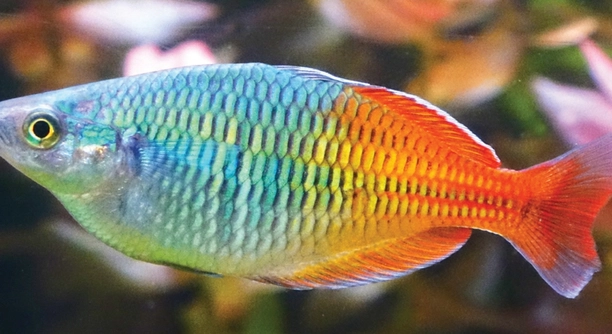
Keeping rainbow fish entertained can be tricky, but it’s an essential part of maintaining their health and happiness. A variety of activities and enriching environments will help your fish thrive. Here are some ways to keep them engaged.
Providing stimulation for rainbow fish involves offering diverse activities like varied swimming spaces, new hiding spots, and interactive objects. These measures prevent boredom, reduce stress, and encourage natural behaviors, leading to a healthier and more active fish population.
There are simple and effective ways to keep your rainbow fish happy. Try adding objects that promote natural behaviors and provide them with varied spaces to explore.
Providing a Variety of Hiding Spots
Rainbow fish, like most species, feel more secure when they have places to hide. Adding various structures, such as plants, rocks, and caves, gives them the chance to retreat and feel safe. This simple addition will also encourage them to explore their environment, which is essential for their overall well-being.
Hiding spots mimic natural environments, allowing the fish to swim in and out of different areas. It helps to have a balance between open spaces and secluded areas, making the tank feel both inviting and secure. Consider adding different types of decorations, such as live plants or artificial structures, to meet their needs.
Without hiding spots, rainbow fish might become stressed and exhibit abnormal behaviors. They could feel exposed, leading to issues such as aggression or lack of appetite. Creating a balanced environment will not only boost their happiness but also enhance their health in the long run.
Offering a Varied Diet
A varied diet will keep rainbow fish interested and healthy. Mixing different types of foods like flakes, pellets, and live or frozen options such as brine shrimp or bloodworms will satisfy their nutritional needs.
A balanced diet helps to promote natural hunting behaviors and adds excitement to their feeding routine. By offering a variety of food types, you allow them to experience a more enriched feeding process. This can reduce the chances of your fish becoming disinterested or sluggish.
Feeding rainbow fish the same food constantly can lead to them becoming bored and less active. To make mealtime exciting again, rotate their food and try different textures and tastes. This simple change can make a big difference in their overall health and activity levels.
Adding Moving Objects
Moving objects, such as small water pumps or floating decorations, can offer stimulation for your rainbow fish. These items encourage fish to swim and interact with their environment, which helps prevent boredom.
Fish are naturally attracted to movement. Items like floating plants, artificial leaves, or even small toys that drift across the tank will draw their attention. Be sure the movements are gentle, as overly fast currents can stress the fish. It’s about finding the right balance to keep their interest without causing discomfort.
These interactive elements allow rainbow fish to display more of their natural behavior, including hunting and chasing. Adding just a few moving objects can significantly increase their activity levels and overall happiness. Try rotating the items to keep the environment fresh and engaging.
Introducing Tank Mates
Tank mates can provide a social experience that encourages rainbow fish to remain active. Careful selection of compatible species will help ensure that all fish interact positively with one another.
It’s important to choose tank mates that share similar water temperature and pH preferences. Rainbow fish tend to get along with other peaceful species, so consider adding fish with a similar temperament. In addition to providing company, tank mates allow rainbow fish to interact socially, preventing loneliness, which can lead to stress and inactivity.
Choosing the right tank mates requires a bit of research into their compatibility. Look for species that won’t outcompete rainbow fish for food or space. A balanced tank with various species promotes harmony and natural social behaviors, which benefit the overall health and well-being of your fish.
Installing Plants and Vegetation
Adding plants to the tank provides both shelter and food sources for your rainbow fish. Live plants like java moss or water wisteria also help maintain water quality.
Plants give fish places to hide and explore, which mimics their natural habitat. Additionally, they can graze on the plants, nibbling on algae or plant matter. The movement of plants in the water creates a dynamic environment, keeping your fish entertained.
Try adding a mix of floating and rooted plants to provide a range of hiding spots. Be sure to maintain plant health, as dying plants can harm water quality and create an unattractive tank environment.
Providing Variety in Tank Layout
Varying the layout of your tank can help prevent your rainbow fish from becoming bored with their environment. Create areas with different water depths and structures.
The tank should have a combination of open spaces and areas with decorations that can spark curiosity. Use different materials such as rocks, driftwood, and caves. This encourages the fish to explore, swim through tunnels, and hide. Regular changes to the layout can maintain their interest over time.
Regular Water Changes
Regular water changes are crucial for maintaining a healthy environment for your rainbow fish. Fresh water promotes overall well-being and reduces stress.
Changing the water helps eliminate waste, toxins, and algae buildup. This keeps the tank clean, and the fish stay in an optimal environment. Fish are sensitive to poor water quality, so consistent water changes ensure they remain active and healthy.
FAQ
How often should I feed my rainbow fish?
Rainbow fish should be fed two to three times a day. Offer small amounts of food they can consume within a few minutes to avoid overfeeding. It’s essential to provide them with a balanced diet that includes both dry and live foods. Overfeeding can lead to water quality issues and obesity in the fish.
Can rainbow fish live with other species?
Yes, rainbow fish generally do well with other peaceful fish. They are social and prefer to live in schools, so adding other fish that have similar temperaments and water requirements can help keep them entertained. Just avoid aggressive species that might stress or harm them.
What is the ideal tank size for rainbow fish?
Rainbow fish require a minimum tank size of 30 gallons. A larger tank is better, as it provides them with more swimming space and allows them to display natural behaviors. A bigger tank also helps maintain stable water conditions, which is important for their health.
Do rainbow fish need special water conditions?
Rainbow fish thrive in slightly acidic to neutral water with a pH of 6.5 to 7.5. The water temperature should be between 72°F and 80°F (22°C to 27°C). Regular water testing is crucial to ensure the conditions remain stable, preventing stress and potential health issues.
What kind of plants should I include in a rainbow fish tank?
Plants that thrive in a variety of light and water conditions are ideal for a rainbow fish tank. Consider live plants like Java fern, Anubias, or Amazon sword. These plants provide hiding spots and grazing opportunities, helping keep the fish entertained. Plants also help maintain water quality.
Why is my rainbow fish not eating?
There are several reasons why a rainbow fish might refuse to eat. It could be due to water quality issues, stress, or illness. Ensure the tank is clean and the water parameters are stable. If the problem persists, check for signs of disease or consult a vet specializing in fish.
Can rainbow fish live in a tank without a filter?
A filter is essential for maintaining good water quality. While rainbow fish can survive in a tank without one for short periods, a filter helps remove waste and maintain the oxygen levels. Without a filter, the water can quickly become polluted, leading to health issues.
Do rainbow fish need a school of other rainbow fish?
Rainbow fish are social and feel more secure when kept in groups. It’s best to keep at least six to eight rainbow fish together to encourage natural schooling behavior. A school of rainbow fish will also make them more confident, active, and less stressed.
How can I prevent algae buildup in my rainbow fish tank?
To reduce algae growth, limit the amount of light your tank receives and remove excess nutrients, which can fuel algae. You can also add algae-eating fish, such as snails or certain species of catfish, to help manage algae naturally. Regular cleaning and maintenance are essential.
Why is my rainbow fish behaving aggressively?
Aggression in rainbow fish can occur if they are stressed, feel crowded, or if there is competition for food or space. Adding more hiding spots and tank mates can help alleviate stress. Ensure the tank size is sufficient, and avoid overcrowding to maintain harmony.
How do I know if my rainbow fish are stressed?
Signs of stress in rainbow fish include erratic swimming, staying at the bottom or top of the tank, faded colors, or a lack of appetite. Poor water quality, incompatible tank mates, or insufficient space can all cause stress. Monitoring water parameters and creating a peaceful environment can help prevent this.
Can I breed rainbow fish in my tank?
Yes, rainbow fish can breed in a tank with the right conditions. To encourage breeding, provide them with a separate breeding tank with soft water and a temperature around 78°F. Males will chase females, and once they spawn, the eggs should be removed to prevent them from being eaten.
What should I do if my rainbow fish are constantly hiding?
If your rainbow fish are hiding, it might indicate stress or poor water conditions. Check the water quality and temperature, as well as the tank’s environment. Adding more hiding spots and reducing disturbances can help them feel secure. Ensure they have enough space and are not overcrowded.
How do I maintain water quality in a rainbow fish tank?
Maintaining water quality involves regular water changes, cleaning the filter, and checking water parameters regularly. Test for ammonia, nitrite, nitrate, and pH levels to ensure they are within safe ranges. Avoid overfeeding and remove any uneaten food to prevent the buildup of waste.
Do rainbow fish need special lighting?
Rainbow fish don’t require special lighting, but they do benefit from a regular day-night cycle. A good lighting system that mimics natural sunlight will help plants grow and maintain the fish’s natural behavior patterns. Too much light can encourage algae growth, so keep it moderate.
Can rainbow fish tolerate brackish water?
Rainbow fish generally prefer freshwater but can tolerate slightly brackish water. However, it’s best to keep the water conditions stable and avoid fluctuating salinity, as sudden changes can stress the fish. Stick to freshwater unless you are keeping species that specifically require brackish water.
What are common diseases in rainbow fish?
Rainbow fish can be prone to common fish diseases such as fin rot, ich (white spot disease), and velvet. Maintaining good water quality, avoiding overcrowding, and feeding them a balanced diet can help prevent these issues. If disease is suspected, isolating the infected fish can prevent it from spreading.
How can I tell if my rainbow fish are sick?
Signs of illness in rainbow fish include faded colors, torn fins, bloating, rapid gill movement, or lack of activity. Any noticeable changes in behavior or appearance should be addressed immediately. Isolate the sick fish and check water quality, as poor conditions are often the cause of illness.
Can rainbow fish be kept in a tank with goldfish?
Rainbow fish and goldfish have different temperature and water quality requirements. Goldfish prefer cooler water, while rainbow fish need slightly warmer conditions. It’s best not to keep them together unless you can maintain the proper environment for both species.
Final Thoughts
Keeping rainbow fish entertained requires creating an environment that mimics their natural habitat and encourages them to engage with their surroundings. These fish are active, social creatures that benefit from having space to swim and explore. By adding plants, decorations, and creating a varied layout, you provide your rainbow fish with the stimulation they need to stay active and healthy. The right combination of tank setup and regular maintenance will ensure that your rainbow fish are not only entertained but also thrive in a comfortable environment.
It’s also essential to focus on water quality and feeding habits. Regular water changes are a key part of maintaining a healthy tank. Rainbow fish are sensitive to poor water conditions, and keeping the tank clean helps prevent disease and stress. A varied diet, including both dry and live foods, is crucial to keep them healthy and happy. Overfeeding should be avoided, as it can affect the water quality and the fish’s health. Monitoring their behavior and ensuring the tank conditions are optimal will help you spot any issues early on.
Ultimately, keeping rainbow fish entertained and healthy involves attention to detail and a little effort in providing the right environment. With the proper care, rainbow fish can be lively, colorful additions to your tank. Their playful nature and social behavior make them an enjoyable species to keep. By understanding their needs and making adjustments to their environment as necessary, you will create a setting where your rainbow fish can flourish.

Hello,
If you enjoy the content that we create, please consider saying a "Thank You!" by leaving a tip.
Every little bit helps us continue crafting quality advice that supports the health, happiness, and well-being of pets around the world, for pets of all shapes, sizes, and species.
We really appreciate the kindness and support that you show us!