
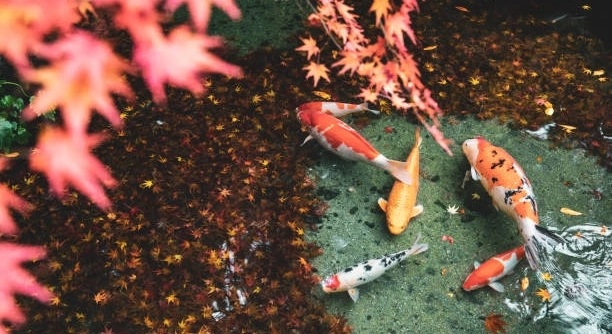
Koi ponds bring beauty and calm to any garden, but they can attract unwanted predators. Keeping your koi safe requires careful attention and some simple protective measures. This article will help you understand how to protect your fish.
Protecting koi from predators involves creating physical barriers, using deterrents, and maintaining a safe environment. Measures include pond netting, motion-activated devices, underwater hiding spots, and regular monitoring to reduce risks and ensure koi well-being.
Knowing these key methods will help you create a safer home for your koi and enjoy your peaceful pond without worry.
Use Pond Netting to Create a Physical Barrier
Pond netting is one of the most effective ways to keep predators away from your koi. It acts as a simple physical barrier, preventing birds, raccoons, and other animals from reaching your fish. The net should be securely fastened around the edges of the pond to avoid gaps. Choose a net with small enough holes so that predators can’t reach through. It’s important to install the net tightly, so it doesn’t sag or create spaces for animals to slip in. During the day, many birds look for easy meals, and netting keeps your koi out of sight and out of reach. This method is especially useful in open areas without much natural cover. Regularly check the net for damage or loose spots to maintain protection. Pond netting can be removed in winter if your koi are less vulnerable then.
Adding netting helps reduce stress on your fish by minimizing predator visits.
Using a well-secured netting system is an easy, low-maintenance way to protect your koi and keep your pond peaceful.
Create Hiding Places for Your Koi
Koi need safe spots to hide when predators are nearby. Adding underwater shelters, such as large rocks, plants, or specially made koi caves, gives fish a refuge. These hiding places break up open water space and reduce the chance of a predator spotting them. Plants like water lilies or tall grasses also provide shade and cover. When koi feel secure, they are less likely to panic and injure themselves. It’s helpful to have a variety of hiding spots in different parts of the pond so your fish can move around safely. If predators cannot easily reach the fish, they may give up trying. You can even add some floating plants to create extra cover on the surface. Hiding places make your pond more natural and comfortable for koi, improving their overall health.
Install Motion-Activated Lights and Sprinklers
Motion-activated lights and sprinklers startle predators and discourage them from coming close to your pond. These devices activate when they detect movement nearby, creating sudden noise or light that scares animals away.
Motion-activated lights are useful because many predators avoid brightly lit areas. Placing them around the pond perimeter creates a protective glow at night. Sprinklers add an extra layer by spraying water when triggered. This unexpected splash can be very effective against animals like raccoons and stray cats. Both devices require minimal upkeep and can run on batteries or solar power.
Using these tools reduces the need for constant supervision. They also keep your koi calm, as fewer predators will approach your pond. Combining lights and sprinklers offers a strong deterrent, making your pond a less attractive target for unwanted visitors.
Maintain a Clean and Tidy Pond Area
A clean pond area discourages predators by removing food sources and hiding spots. Leaves, uneaten fish food, and fallen debris attract animals like raccoons and birds looking for easy meals.
Regularly cleaning your pond and surrounding space helps keep it less appealing to predators. Clear away fallen leaves and excess plant matter, and avoid overfeeding your koi. Overfeeding causes leftover food to sink and rot, which can attract pests. Also, trim nearby bushes and grass to reduce places where predators can hide before approaching the pond.
Keeping the area tidy creates a safer environment for your koi. It lowers the chance of predators discovering your pond and makes it easier to spot any signs of unwanted visitors early. Maintaining cleanliness is a simple yet effective way to protect your fish long-term.
Use Decoys to Distract Predators
Placing decoys like fake owls or herons near your pond can help scare away real predators. These decoys create the impression of danger, making predators think twice before approaching.
Move decoys occasionally to keep them effective. Predators may get used to stationary figures if they never change position.
Install Pond Covers
Pond covers made of mesh or wire provide strong protection by physically blocking access to your koi. They are especially helpful during breeding seasons when koi are more vulnerable.
Covers also keep debris out of the pond, improving water quality. Ensure the cover is secure but allows sunlight and rain to pass through.
Keep Pets Away From the Pond
Pets like dogs and cats can accidentally harm koi or attract wild predators by their presence near the pond. Limiting their access helps keep the pond safe and calm.
What are the most common predators of koi?
The most common predators that threaten koi include birds such as herons and kingfishers, raccoons, cats, and sometimes snakes. These animals are attracted to koi ponds because they see the fish as easy prey. Birds often hunt during the day, while raccoons and cats are mostly active at night. Understanding which predators are around your area helps choose the best protection methods for your pond.
How can I tell if a predator has been near my pond?
Signs of predators include disturbed pond netting, footprints in the mud near the water, missing koi or injured fish, and damaged plants around the pond. You might also notice fish hiding more than usual or acting stressed. Checking your pond regularly will help catch these signs early so you can take action quickly.
Are pond nets safe for koi?
Yes, pond nets are safe when properly installed. It’s important to use nets with small enough holes to prevent predators but still allow sunlight and rain through. Make sure the net is tight and does not sag into the water where koi might get trapped. Regularly inspect the net for holes or loose edges to keep your fish protected and comfortable.
Can motion-activated lights scare away all predators?
Motion-activated lights work well for some predators, especially nocturnal animals like raccoons and cats. However, they might not stop birds that hunt during the day. Combining lights with other methods, like netting or decoys, offers better overall protection. Lights also help reduce the number of predator visits, lowering stress for your koi.
Is it okay to feed koi every day?
Feeding koi every day is fine as long as you don’t overfeed them. Overfeeding can leave leftover food in the pond, which attracts predators and causes water quality problems. Feed only what your koi can eat in a few minutes and remove any uneaten food. This keeps the pond clean and less appealing to unwanted animals.
How often should I clean my pond?
Cleaning your pond regularly is important to reduce hiding spots and food sources for predators. Remove fallen leaves, dead plants, and excess algae every one to two weeks. Also, clean filters and check pumps to keep water clear and healthy. A tidy pond discourages predators and supports your koi’s health.
Will pond covers affect the health of koi?
Pond covers that allow sunlight and rain through do not harm koi. They help protect fish from predators and keep debris out. Make sure the cover is secure and doesn’t trap koi underneath. Covers are especially useful in spring when young koi are more vulnerable and during bad weather.
Can plants protect koi from predators?
Yes, plants provide natural cover and hiding spots for koi. Floating plants like water lilies and submerged plants create shaded areas where fish can stay out of sight. Plants also improve water quality by absorbing nutrients and reducing algae growth. A well-planted pond is safer and healthier for your koi.
Are there safe repellents I can use around my pond?
Some natural repellents, like scents from certain herbs or commercial animal repellents, can help keep predators away. However, effectiveness varies depending on the animal and environment. Avoid harsh chemicals that could harm your koi or other wildlife. Combining repellents with physical barriers is the best approach.
What should I do if a predator manages to catch a koi?
If a predator catches a koi, try to safely remove the predator if possible and assess the fish’s injuries. Consult a vet or aquatic specialist for treatment advice. Increase pond protection measures to prevent future attacks. Keeping a close eye on your pond helps you react quickly to protect your fish.
Protecting your koi from predators takes some effort, but it is worth it to keep your pond peaceful and your fish safe. Using a combination of methods, like pond netting, motion-activated devices, and creating hiding spots, can make a big difference. Each pond is unique, so it helps to try different approaches and see what works best for your situation. The goal is to create a secure environment where your koi can swim comfortably without constant threats from animals looking for an easy meal.
Keeping the pond area clean and tidy also plays a key role in preventing predator visits. Removing leftover food, fallen leaves, and overgrown plants reduces places where predators can hide or find extra food. This simple routine helps make your pond less attractive to unwanted visitors and supports the health of your koi. Regular maintenance, combined with protective tools, creates a strong defense against most predators. Over time, this care will allow your koi to thrive in a safer space.
It is important to remember that no single method guarantees total protection, but using several strategies together improves your chances greatly. Stay alert to changes around your pond and repair any damage to barriers right away. By paying attention and taking proactive steps, you can enjoy your koi and the calm beauty of your pond with less worry. Keeping your fish safe requires patience, but it is rewarding to see them healthy and happy in a secure home.

Hello,
If you enjoy the content that we create, please consider saying a "Thank You!" by leaving a tip.
Every little bit helps us continue crafting quality advice that supports the health, happiness, and well-being of pets around the world, for pets of all shapes, sizes, and species.
We really appreciate the kindness and support that you show us!