
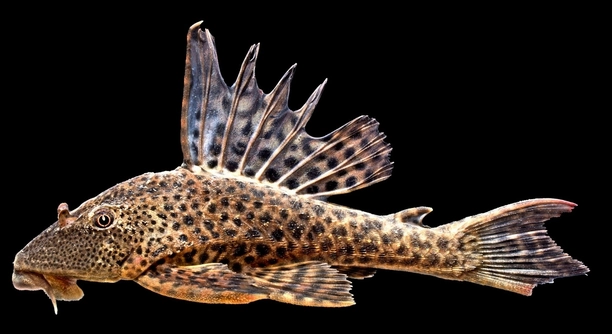
Plecos are fascinating fish, often known for their algae-eating habits and peaceful nature. However, keeping them entertained in the tank is essential to their well-being. They need more than just food to stay engaged.
Providing enrichment for plecos in a tank is crucial for their health and happiness. Various items such as driftwood, caves, and live plants can stimulate their natural behaviors. Regularly changing their environment helps prevent boredom and stress.
Creating a dynamic tank for your plecos will benefit both their physical and mental health. By making small adjustments, you can enhance their living space and provide them with enjoyable activities.
Provide Plenty of Hiding Spots
Plecos are naturally shy and often seek out secluded areas to feel safe. By adding caves, rock formations, or even upside-down flowerpots, you create spots where your pleco can hide. This will reduce stress and encourage exploration. Some plecos may even claim a hiding spot as their own, creating a comfortable, secure area for them to rest.
Adding plants is another way to provide hiding spots. Live plants such as Java fern or Anubias can offer both shelter and a source of food for your pleco. These plants can also help to mimic the pleco’s natural habitat, making them feel more at ease.
Investing in the right materials, like soft decorations, is important to avoid stressing your pleco. By offering them enough places to hide, they can enjoy their tank without feeling constantly exposed. This simple step can significantly improve their quality of life.
Offer Varied Diet Options
Plecos can be picky eaters, so offering a variety of foods keeps them engaged. Incorporate algae wafers, fresh vegetables, and occasional protein sources like shrimp. These food options will not only satisfy their nutritional needs but also provide a mental challenge as they forage and explore.
Changing up their diet regularly will keep plecos interested and reduce the likelihood of them losing interest in their food. You can even try hand-feeding them to create a sense of connection. As a result, your plecos will have something new to enjoy and will be more likely to engage with their surroundings.
This simple approach provides both physical nourishment and mental stimulation for your plecos. By mixing it up, you help prevent boredom and ensure your plecos stay healthy and entertained.
Include Driftwood for Scratching and Hiding
Driftwood serves as both a scratching post and a hideout for plecos. They enjoy rasping against the wood, which mimics the natural environments they thrive in. The wood also adds texture to their surroundings, helping them stay active. Choose driftwood that’s safe for aquariums to ensure no harm to your plecos.
The addition of driftwood helps plecos maintain their physical health by promoting natural behaviors. They can scrape off algae, which also keeps their teeth in check. Furthermore, driftwood encourages plecos to explore and interact with their environment. Over time, it becomes an essential element in their tank setup.
Adding driftwood to your pleco’s tank also contributes to a more natural, appealing environment. It provides a much-needed space for them to hide, rest, or feel secure. This feature not only adds beauty to the tank but offers a deeper layer of enrichment for your pleco’s well-being.
Use Movement to Spark Curiosity
Plecos are naturally curious creatures, and movement in the tank can catch their attention. You can add air stones or a filter with a gentle flow to introduce movement. The shifting water encourages exploration and keeps plecos active. It also mimics the currents they’d encounter in their natural habitats, promoting more natural behavior.
Movement also has a calming effect on plecos, as they may feel more comfortable in tanks with gentle currents. It’s important not to overwhelm them with excessive water flow, as this can cause stress. Finding the right balance ensures the pleco can stay active without feeling threatened.
A properly balanced tank environment with gentle movement will keep your plecos entertained and engaged. Adding air stones or adjusting the filter can make all the difference in your pleco’s behavior. It enhances the overall tank atmosphere, offering a dynamic environment where they feel both secure and stimulated.
Add Live Plants for Exploration
Live plants provide plecos with a perfect environment for both hiding and exploring. Plants like Java fern or Amazon sword can offer great coverage and stimulate natural behaviors. They also give plecos something to graze on, keeping them more engaged.
Plants help create a more natural, balanced ecosystem in the tank. As plecos graze on the plants, they’re able to interact with their surroundings. It adds another layer of enrichment, ensuring that they stay active and entertained. Well-maintained plants also improve water quality, benefiting both the pleco and other tank inhabitants.
Use Floating Objects for Interaction
Floating objects in the tank can attract your pleco’s attention and encourage them to interact more. Items like floating logs or even toys can pique their curiosity. They provide extra space for plecos to explore, adding a new layer of movement and excitement to the environment.
Floating items will keep your pleco physically and mentally engaged. As they navigate the tank, they’ll encounter new objects, challenging them to adapt and investigate. By including these features, you can create a more dynamic and interactive habitat for your pleco, making their environment feel less static.
Rotate Decorations for Variety
Switching up the tank’s decorations can keep plecos entertained. By rearranging rocks, plants, or driftwood, you create a fresh environment for them to explore. This simple change keeps the pleco’s surroundings stimulating and engaging. Regular changes prevent monotony and reduce the risk of boredom.
Rotating tank decorations ensures that plecos continue to interact with their environment. Over time, plecos become familiar with their habitat, and switching things up challenges them to re-engage. It offers mental stimulation, which is essential for their well-being. This small effort can make a significant difference in how your pleco behaves.
FAQ
How often should I change the tank setup to keep my plecos entertained?
Changing the tank setup every few weeks is a good idea to keep your plecos engaged. This doesn’t mean a complete overhaul, but small adjustments like moving decorations, adding new plants, or changing the layout can make a big difference. Plecos thrive on variety, and these changes provide them with new challenges and opportunities to explore.
Can plecos live with other fish?
Yes, plecos can live with most peaceful fish species. They are typically calm and non-aggressive, making them good tank mates for fish like tetras, guppies, or angelfish. However, avoid housing them with fin-nipping species or overly aggressive fish. Always consider the size and temperament of potential tank mates before introducing them to your pleco.
What type of substrate is best for plecos?
Plecos enjoy a fine-gravel or sandy substrate that’s gentle on their underside. They like to rummage through the substrate for food and shelter. Avoid using sharp-edged gravel as it can harm their delicate skin. A soft substrate also helps them feel comfortable and encourages natural foraging behavior.
Do plecos need a heater in their tank?
Yes, plecos are tropical fish that thrive in warm water. The ideal temperature range for plecos is between 75-80°F (24-27°C). Having a heater in the tank helps maintain a stable environment, which is important for their health and overall well-being. Be sure to use a reliable thermometer to monitor water temperature.
Can plecos live in a tank with strong water flow?
While plecos prefer a gentle current, they can live in tanks with stronger water flow as long as they have places to hide and rest. Too strong of a current can stress them out, so it’s important to adjust the filter flow or add plants and decorations to create sheltered areas.
How do I know if my pleco is stressed?
Stressed plecos often display unusual behavior such as hiding more frequently, rubbing against tank objects, or a loss of appetite. Their skin may become pale or show signs of damage, and they might swim erratically or remain motionless. If you notice any of these signs, it’s important to check water parameters and make necessary adjustments to their environment.
Do plecos need to be fed every day?
Plecos need to be fed daily, but their diet should consist of a variety of foods. Algae wafers should be their main source of food, supplemented with vegetables like zucchini, cucumber, or leafy greens. Occasionally, you can provide protein sources like shrimp or bloodworms. It’s important not to overfeed them as it can lead to water quality issues.
Can plecos eat live plants?
Yes, plecos can eat certain live plants, though they typically prefer algae. Some species of plecos may nibble on soft-leaved plants if they’re not getting enough to eat from other sources. To prevent this, ensure they have enough food options, such as algae wafers or fresh vegetables. Hardy plants like Java fern or Anubias are generally safe as they are less likely to be consumed by plecos.
How do I create a more natural environment for my pleco?
To create a more natural environment, add driftwood, plants, and rocks to mimic the pleco’s natural habitat. The addition of live plants, caves, and hiding spots provides both shelter and food sources. Be sure to maintain stable water conditions, including a proper filtration system, to replicate the pleco’s native river and stream environments.
Are there any specific water parameters I need to maintain for my pleco?
Plecos prefer water with a slightly acidic to neutral pH (6.5-7.5) and soft to moderately hard water. Regular water changes are crucial to maintaining optimal conditions. It’s also important to monitor ammonia, nitrite, and nitrate levels to keep the water quality high and prevent health issues.
Can plecos be kept in a tank without a filter?
It’s not recommended to keep plecos in a tank without a filter. Plecos are messy eaters, and without proper filtration, their waste can quickly affect water quality. A filter helps maintain a clean environment by removing debris and excess nutrients, ensuring your pleco stays healthy.
Final Thoughts
Keeping plecos entertained in the tank doesn’t have to be complicated. With a few simple changes, you can create a dynamic and enriching environment for your pleco. Adding driftwood, live plants, and gentle water movement can provide your pleco with the stimulation it needs to stay active. These additions mimic the pleco’s natural habitat, offering both physical and mental engagement. Small changes, like rotating decorations or introducing new objects, can prevent your pleco from getting bored and ensure it remains healthy and happy.
Plecos are low-maintenance creatures, but they do require an environment that mimics their natural surroundings. By focusing on their physical and mental well-being, you can ensure they thrive in your tank. Regularly monitoring water quality, providing a varied diet, and creating hiding spots are all important for keeping your pleco comfortable. A well-maintained tank not only benefits your pleco but also contributes to the health of the entire aquatic ecosystem. When the environment is right, plecos will continue to grow, explore, and add beauty to your tank.
Ultimately, keeping plecos entertained and healthy comes down to observation and care. While they can be low-maintenance, they still require attention to their environment. By following simple guidelines, you can create an enjoyable and active habitat for your pleco. With the right setup, plecos will remain happy, contributing to a thriving and balanced tank.

Hello,
If you enjoy the content that we create, please consider saying a "Thank You!" by leaving a tip.
Every little bit helps us continue crafting quality advice that supports the health, happiness, and well-being of pets around the world, for pets of all shapes, sizes, and species.
We really appreciate the kindness and support that you show us!