
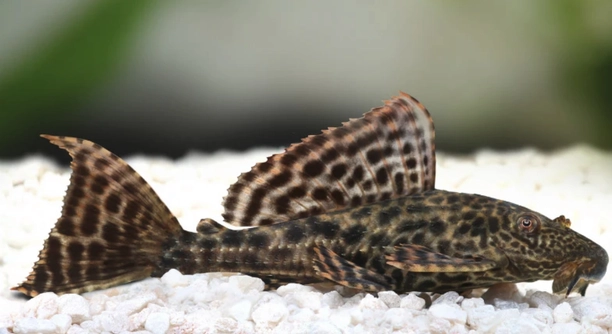
Plecos are popular fish that need care and attention to remain healthy and active. Keeping them alert is essential for their overall well-being and happiness in the aquarium. Several factors contribute to their level of activity and energy.
To keep plecos active and alert, provide a proper diet, a clean and well-maintained tank, and appropriate hiding spots. A stable environment with suitable water parameters and enrichment will ensure plecos remain engaged and healthy.
By making these adjustments, your plecos will thrive in their environment. Keep reading for tips on how to improve their activity levels.
Providing a Proper Diet
Plecos thrive on a balanced diet consisting of both plant-based and protein-rich foods. Include algae wafers, vegetables like zucchini or cucumber, and high-quality fish pellets. Supplementing with occasional live or frozen foods, like brine shrimp or bloodworms, will keep your pleco’s energy levels high and encourage foraging behavior.
A well-fed pleco will be more active and alert, especially if they are eating a variety of foods. Offer the food at different times of the day and try rotating the types of vegetables you provide. This keeps the fish engaged and helps prevent boredom.
If a pleco’s diet is lacking in nutrients, it can lead to lethargy or health issues, which may affect their alertness. Ensure the food is cut into appropriate sizes and removed if uneaten to maintain water quality. By adjusting their diet to suit their needs, you will support their activity levels and overall health.
Maintaining Clean Water Conditions
Water quality directly impacts the health and behavior of plecos. Regular water changes, filtration, and proper water parameters are essential for keeping them active.
Plecos are sensitive to poor water conditions, which can lead to stress, affecting their alertness. Test your aquarium water frequently to ensure it’s within the optimal range for pH, ammonia, nitrites, and nitrates.
Creating Hiding Spots
Plecos enjoy having places to hide, which helps them feel secure. Adding caves or driftwood allows them to retreat when needed.
Having hiding spots also encourages exploration, which helps keep plecos active. If they feel safe in their environment, they are more likely to venture out and stay engaged. Offering a variety of hiding options allows them to choose where they feel most comfortable, promoting both their physical and mental well-being.
Additionally, rearranging their environment from time to time can help prevent the tank from becoming monotonous. A change in scenery encourages plecos to explore, increasing their activity and keeping them alert.
Providing Tankmates
Plecos benefit from having tankmates, but it’s important to choose species that won’t stress them out. Avoid aggressive fish that could intimidate them.
When selecting tankmates, ensure that the other species are peaceful and compatible with plecos. Fish like tetras or guppies can coexist with plecos, offering a more dynamic environment. A more active tank can inspire plecos to be more energetic and curious.
If tankmates are too aggressive or too large, plecos may retreat and become less active. A calm, balanced community tank ensures your plecos feel secure enough to stay alert and engaged.
Adding Aquarium Decorations
Adding decorations like rocks, plants, or even artificial structures gives plecos more places to explore and hide. It creates a more natural environment.
These additions help mimic their natural habitat, which encourages activity. Plecos will often use these decorations to find food or seek shelter, which keeps them moving.
Aquarium plants provide extra benefits by offering hiding spaces and helping with water quality. Live plants also contribute to a more enriched environment, keeping plecos alert as they interact with their surroundings.
Lighting and Temperature
Ensure the lighting and temperature are optimal for your pleco. Fish that are too cold or in bright lighting may become stressed.
Plecos do best in tanks with a temperature between 74-80°F. Lighting should be moderate, as they prefer low to moderate light. Too much light can stress them out, making them less active. By maintaining a stable and comfortable environment, plecos are more likely to stay active and alert.
FAQ
How often should I feed my pleco?
Plecos should be fed once or twice a day, depending on their size and activity level. Overfeeding can lead to water quality issues, so it’s essential to feed them just enough that they can consume within a few hours. If uneaten food is left in the tank, it can quickly affect the water quality, leading to stress and lethargy in your pleco. A well-balanced diet will encourage activity, and feeding small amounts throughout the day can prevent overfeeding and promote healthier behavior.
Can plecos live with other fish?
Yes, plecos can live with many other species, but compatibility depends on tank size and the species of the other fish. It’s best to choose peaceful species that won’t compete too much with plecos for space or food. Avoid aggressive fish that might stress them out. Plecos usually thrive in community tanks with species like tetras, guppies, or rasboras. Be mindful of fish that are large or territorial, as they can intimidate plecos and lead to reduced activity.
Do plecos need a filter in their tank?
Yes, plecos need a strong filtration system in their tank to maintain clean and clear water. They are known for producing a lot of waste, and without proper filtration, ammonia levels can spike, which can cause stress or health problems for your pleco. A good filter ensures that the water stays clean, helping to prevent diseases and keeping the pleco more active. Be sure to clean the filter regularly to ensure it’s working effectively.
How can I tell if my pleco is stressed?
A stressed pleco may exhibit signs such as hiding more than usual, a lack of appetite, or displaying erratic swimming behavior. You may notice them rubbing against surfaces in the tank or becoming lethargic. Changes in their skin color, such as fading or darker spots, can also indicate stress. Stress in plecos often stems from poor water quality, incorrect water parameters, or aggression from tankmates. Regular water testing and adjusting the environment can help reduce stress and keep your pleco healthy.
Why is my pleco not eating?
If your pleco isn’t eating, it could be due to several factors. First, check the water quality; poor water conditions can cause them to lose their appetite. Make sure the temperature and pH are within the appropriate range. Secondly, ensure they are being fed the right types of food. Plecos are primarily herbivores and need a variety of plant-based foods like algae wafers, cucumber, and zucchini. If they are not eating these, try offering different types of food or adjusting the food schedule. If the issue persists, it may be worth consulting a vet.
Can plecos eat algae alone?
While plecos do enjoy eating algae, they cannot survive on algae alone. Their diet needs to be balanced with other types of food to ensure they get all necessary nutrients. Algae wafers can be used as a supplement, but offering vegetables like zucchini, cucumber, and spinach is crucial to keep them healthy. Additionally, providing occasional protein sources like brine shrimp can further balance their diet.
What’s the best temperature for plecos?
Plecos generally do well in temperatures ranging from 74°F to 80°F (23°C to 27°C). Keeping the water temperature within this range ensures that the pleco remains active and alert. Water that is too cold can lead to reduced metabolism and activity, while water that is too warm can stress them out. Consistency in water temperature is key, so avoid frequent fluctuations. Using a reliable aquarium heater can help maintain the optimal temperature range.
Do plecos need a lot of space?
Yes, plecos need plenty of space to thrive. As they grow, they can become quite large, especially species like the common pleco, which can reach up to 24 inches in length. A minimum of a 75-gallon tank is recommended for adult plecos to provide ample swimming space. Overcrowding can lead to stress, poor water quality, and aggression. Giving them plenty of space allows plecos to stay active, healthy, and engaged.
How can I encourage my pleco to be more active?
To encourage a pleco to be more active, provide them with a well-maintained tank, a proper diet, and plenty of enrichment. Adding decorations, live plants, and hiding spots helps simulate their natural environment and keeps them exploring. Regular water changes and maintaining stable water parameters are crucial to their health. Additionally, consider offering them a variety of foods to keep their diet interesting, such as algae wafers, fresh vegetables, and occasional live or frozen foods. If plecos feel safe and stimulated in their environment, they are more likely to stay active.
Why is my pleco always hiding?
Plecos are nocturnal, which means they are often more active at night. If your pleco is hiding during the day, it may simply be following its natural behavior. However, excessive hiding during the day could be a sign of stress or poor water conditions. If your pleco is constantly hiding, check the tank’s water quality, temperature, and tankmates for signs of aggression or incompatibility. If everything checks out, the pleco may just need a more suitable hiding spot or a quiet space to feel secure.
Final Thoughts
Keeping your plecos active and alert requires a few simple but essential steps. By providing them with a comfortable and enriched environment, they will be more likely to explore and stay engaged in their surroundings. Adding hiding spots, decorations, and tankmates creates a more stimulating atmosphere, encouraging your pleco to remain active and healthy. Ensuring their water quality is optimal and that they have a balanced diet also plays a critical role in their well-being. Healthy and alert plecos are happier and can live longer, benefiting from an environment that meets their needs.
The right tank setup is crucial to making your pleco feel secure and engaged. Adding natural elements such as plants, driftwood, or caves offers more than just aesthetic appeal—it also provides the necessary hiding spots and stimulation they need. A variety of tankmates that are peaceful and won’t stress out your pleco can help them feel more comfortable, reducing their desire to retreat or hide. These little changes in their environment can go a long way in improving their activity levels, encouraging them to stay active and explore their space.
Lastly, be patient and observe your pleco’s behavior. Each one is unique, and some may need more time to adjust to their environment than others. Regularly check their water parameters, feed them a proper diet, and avoid overcrowding the tank. With these steps, you’ll be able to foster a healthy and active environment for your pleco, ensuring that they remain engaged and healthy for years to come. By creating the right conditions for them, you’ll not only keep them active but also improve their overall quality of life.

Hello,
If you enjoy the content that we create, please consider saying a "Thank You!" by leaving a tip.
Every little bit helps us continue crafting quality advice that supports the health, happiness, and well-being of pets around the world, for pets of all shapes, sizes, and species.
We really appreciate the kindness and support that you show us!