
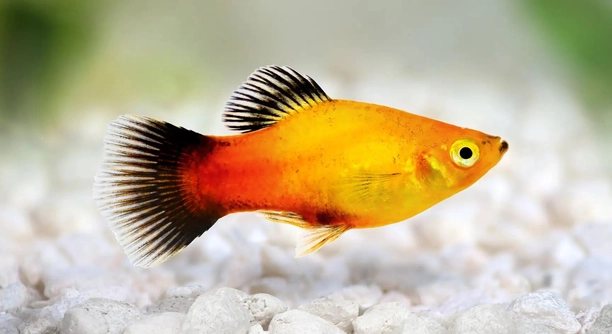
Platies are colorful, peaceful fish that many enjoy keeping in home aquariums. Their lively nature makes them fun to watch as they swim throughout the tank. Keeping them active helps maintain their health and vibrant appearance.
Ensuring platies remain active involves providing a stimulating environment, balanced nutrition, regular water changes, and appropriate tank mates. These factors collectively support their natural behavior and promote continuous movement throughout the day.
Maintaining an active aquarium environment benefits both the fish and the owner’s overall experience. These simple steps will help keep your platies lively and thriving in their home.
Create a Stimulating Environment
Platies need an engaging space to keep moving and exploring. Adding plants, rocks, and hiding spots encourages natural swimming and foraging behaviors. Live plants are especially helpful because they improve water quality and offer shelter. Including different textures and heights in the tank makes it more interesting for the fish. Changing decorations occasionally can also spark curiosity and activity. Avoid overcrowding, as too many fish reduce swimming space and cause stress. Clean the tank regularly to prevent buildup that can lower water quality and affect fish behavior. Proper lighting that mimics a natural day cycle supports their internal rhythms. A well-maintained and varied environment helps platies stay active, healthy, and happy, contributing to their overall well-being and longer lifespan.
Providing a well-planned tank setup makes a big difference in platies’ daily activity. They thrive when their surroundings mimic natural conditions and offer constant stimulation.
Active fish often explore more and show better colors, creating a lively aquarium for anyone who enjoys watching them.
Feed a Balanced Diet
Offering a varied diet is essential to keep platies energized and active. They benefit from high-quality flakes, pellets, and occasional live or frozen foods like brine shrimp or bloodworms. Providing fresh vegetables, such as blanched spinach or zucchini, supplies important nutrients and fiber. Avoid overfeeding, as excess food can pollute the water and reduce oxygen levels, causing lethargy. Feeding smaller portions multiple times a day encourages movement as platies search for food. Rotate different food types to ensure they receive a full range of vitamins and minerals needed for their health. A balanced diet supports their immune system and promotes vibrant colors, which often reflect overall activity levels. By carefully managing feeding habits, you can maintain your platies’ energy and motivation to swim throughout the day.
Maintain Proper Water Conditions
Stable water conditions are vital for platies’ activity. Regular testing ensures temperature, pH, and ammonia levels stay within healthy ranges. Sudden changes can stress fish and cause inactivity.
Platies prefer temperatures between 72°F and 78°F. Keeping the pH around 7.0 to 8.2 supports their health and natural behavior. Frequent partial water changes help keep nitrate levels low, which prevents sluggishness and illness. Clean water promotes oxygen availability, essential for their energy. Avoid overcrowding to reduce waste buildup and stress. Using a reliable filtration system maintains clarity and water quality, encouraging platies to swim actively and explore. Maintaining consistent water parameters creates a safe and comfortable environment where platies feel secure and more likely to stay active throughout the day.
Regular monitoring and care prevent water-related stress, which can otherwise make platies less responsive. By keeping their habitat stable, you support their daily energy and well-being.
Choose Suitable Tank Mates
Platies do well with peaceful, similarly sized fish that don’t compete aggressively for food or space. Good tank mates encourage natural social behavior without causing stress or injury.
Compatible species include guppies, mollies, and small tetras. Avoid larger or aggressive fish, which can intimidate platies and reduce their activity. Having the right companions helps platies feel secure and promotes swimming as they interact. A mixed but harmonious community encourages exploration and keeps fish mentally stimulated. Introducing too many fish can cause overcrowding, so balance numbers carefully to maintain water quality. Observing fish behavior regularly helps identify any signs of stress or aggression. Providing proper tank mates contributes to a calm, lively aquarium where platies remain active and healthy.
Provide Regular Tank Maintenance
Regular tank maintenance prevents buildup of harmful substances that can slow platies down. Cleaning filters and removing debris keeps water fresh and clear.
Performing weekly partial water changes maintains a healthy environment. This reduces toxins and encourages fish to stay energetic and active in their space.
Use Proper Lighting
Proper lighting mimics natural daylight and supports platies’ internal rhythms. Avoid leaving lights on too long, as this can stress the fish and cause inactivity.
Balanced light cycles, about 10–12 hours per day, help regulate feeding and swimming behavior. Using timers can simplify this process, ensuring consistency.
Encourage Exercise with Tank Layout
A tank layout with open swimming areas and hiding spots invites platies to explore and stay active. Avoid cluttering the tank too much.
Providing varied terrain with plants and decorations stimulates natural movement and curiosity.
Avoid Stressful Conditions
Stress reduces platies’ activity and weakens their immune system. Keeping a calm environment with minimal sudden changes helps them remain lively.
FAQ
Why are my platies not very active?
Platies may become inactive due to poor water quality, incorrect temperature, or stress from overcrowding and aggressive tank mates. Lack of stimulation or insufficient space can also cause them to swim less. Checking water parameters and adjusting the environment often helps restore their activity.
How often should I feed my platies to keep them active?
Feeding small amounts two to three times daily encourages natural foraging and movement. Overfeeding can lead to poor water quality, which makes fish lethargic. Balanced portions support their energy without polluting the tank.
Can platies live with other fish without affecting their activity?
Yes, as long as tank mates are peaceful and similar in size. Aggressive or large fish can stress platies, causing them to hide and reduce movement. Suitable companions promote social behavior and encourage activity.
What water temperature is best for platies’ activity?
Platies are most active in temperatures between 72°F and 78°F. Temperatures outside this range may cause sluggishness or stress. Keeping temperature stable with a heater improves their health and swimming behavior.
How important is tank size for platies’ activity?
A spacious tank with at least 10 gallons per small group provides enough room to swim freely. Cramped spaces reduce activity and cause stress. A larger tank allows room for decorations that stimulate exploration.
Do plants help keep platies active?
Yes, live plants provide hiding spots and simulate a natural environment. They encourage movement and exploration while improving water quality. Adding a variety of plants supports platies’ natural instincts and keeps them engaged.
What type of food boosts platies’ energy?
High-quality flakes or pellets with protein, plus occasional live or frozen foods like brine shrimp, increase energy levels. Vegetables such as spinach or zucchini add fiber and nutrients. A varied diet ensures sustained activity and good health.
How often should I clean the tank to maintain platies’ activity?
Weekly partial water changes of 20–30% remove toxins and maintain water quality. Cleaning the substrate and filters regularly prevents buildup that can cause sluggishness. Consistent maintenance keeps the environment healthy and fish active.
Can lighting affect platies’ movement?
Yes, proper lighting encourages natural day and night cycles. Too much or too little light can stress platies, reducing activity. A timer set for 10–12 hours of light per day helps regulate their behavior.
What signs show that platies are healthy and active?
Bright colors, regular swimming, and responsive behavior indicate good health. Active platies explore the tank, interact with tank mates, and eat eagerly. Sudden inactivity or hiding may suggest a problem needing attention.
Is stress a common reason for low activity in platies?
Stress from poor water conditions, sudden changes, or aggressive tank mates can cause platies to become less active. Minimizing disturbances and maintaining stable conditions help keep stress low and fish lively.
How do I encourage shy platies to be more active?
Providing plenty of hiding spots and a calm environment reduces fear. Gradually introducing new tank mates and avoiding sudden changes can build their confidence. Over time, shy platies tend to explore more and show natural behaviors.
Final Thoughts
Keeping platies active all day is important for their overall health and happiness. Active fish tend to have stronger immune systems and brighter colors. Providing a proper environment, balanced diet, and clean water plays a key role in encouraging their natural behavior. When platies swim and explore often, it shows they feel comfortable and secure in their tank. A lively aquarium is also more enjoyable to watch and care for. Paying attention to these factors can help you create the best possible home for your platies.
Maintaining consistent water quality is one of the most important steps in keeping platies energetic. Regular water testing and partial water changes remove harmful substances that can make fish sluggish or sick. Proper temperature and pH levels also support their activity. Overcrowding or mixing with aggressive fish can cause stress and reduce swimming. Choosing the right tank mates and giving platies enough space to move freely encourages them to be active. A well-maintained tank with a stimulating layout keeps platies curious and engaged in their surroundings.
Feeding a varied, nutritious diet is also essential for keeping platies lively. Offering a mix of quality flakes, pellets, and occasional live or frozen foods gives them the energy they need to stay active. Fresh vegetables add important vitamins and fiber. Avoiding overfeeding prevents water pollution and keeps the tank environment healthy. Providing proper lighting that matches natural daylight supports their daily rhythms. Small details like these can make a big difference in how your platies behave. By following these simple but important care tips, you can help your platies thrive and enjoy their aquarium for years to come.

Hello,
If you enjoy the content that we create, please consider saying a "Thank You!" by leaving a tip.
Every little bit helps us continue crafting quality advice that supports the health, happiness, and well-being of pets around the world, for pets of all shapes, sizes, and species.
We really appreciate the kindness and support that you show us!