
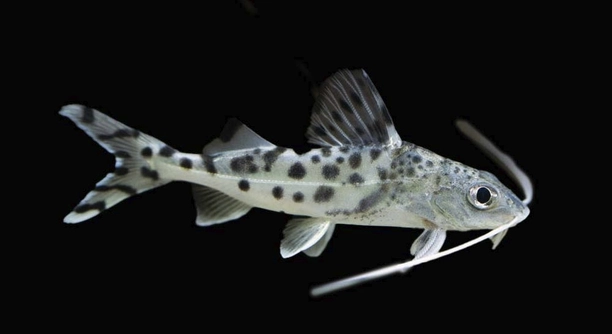
Keeping Pictus catfish happy in their tank is important for their well-being. These lively fish need stimulation to stay active and healthy. Providing a good environment helps them thrive and shows care for your aquatic pets.
Pictus catfish benefit from varied enrichment activities such as providing hiding spots, floating plants, interactive feeding, tank mates, and gentle water movement. These elements encourage natural behavior and reduce stress in captivity, supporting their overall health.
This article offers practical ideas to improve your catfish’s environment. Small changes can make a big difference in their daily life and happiness.
Create Hiding Spots for Pictus Catfish
Pictus catfish enjoy places to hide where they feel safe. Adding caves, tunnels, or dense plants can give them shelter from bright light or tank activity. These spots let them rest and reduce stress. You can use natural decorations like driftwood or smooth rocks to build cozy hiding areas. Plastic decorations designed for aquariums also work well. It’s important to place hiding spots in different parts of the tank, so the fish have choices. This variety helps keep their environment interesting. A well-decorated tank mimics their natural habitat, promoting natural behavior and comfort. Overcrowding the tank with hiding places can reduce swimming space, so balance is key. Regularly check and clean these spots to prevent algae buildup and maintain water quality. With proper hiding places, your Pictus catfish will be more relaxed and active, improving their health and tank life.
Adding shelters helps Pictus catfish feel secure and encourages them to explore their tank confidently.
Providing hiding spots is an easy way to enrich your catfish’s environment. These safe zones offer shelter during rest and stress, helping them feel protected. You can use aquarium-safe rocks, caves, or plant clusters to create different options. When setting up, consider spacing these spots evenly and avoid overcrowding. Watch how your catfish use these areas and adjust as needed. Hiding places also provide visual breaks in the tank, which reduces aggressive encounters with other fish. When cleaning, remove debris carefully from these areas to keep them inviting. This simple change supports your catfish’s natural instincts, making them more comfortable and active in their tank. Over time, you’ll notice they spend less time hiding out of stress and more time exploring.
Use Floating Plants
Floating plants provide shade and cover for Pictus catfish. They create a calming environment by softening bright tank lights and adding natural texture.
Floating plants help simulate the catfish’s natural environment where they often swim under leaves. These plants reduce light intensity, making the tank less stressful. They also improve water quality by absorbing excess nutrients. Common floating plants like duckweed or frogbit are easy to maintain. Just make sure they don’t cover the entire surface to allow oxygen exchange. Floating plants also provide hiding places and encourage exploration below. Their gentle movement adds interest without disturbing the fish. This balance supports the catfish’s natural habits and keeps them active.
Remember to monitor floating plants regularly to prevent overcrowding. Trim them when needed to keep the tank healthy and visually appealing. This small addition can greatly enhance your catfish’s habitat.
Provide Interactive Feeding
Interactive feeding encourages natural hunting instincts in Pictus catfish. It turns feeding time into a stimulating activity rather than just a routine.
Using sinking pellets or live food encourages the catfish to search and chase, mimicking their behavior in the wild. You can scatter food in different tank areas or use feeding rings to create a challenge. This keeps them physically and mentally active. It also prevents boredom and overeating by slowing down consumption. Live foods like bloodworms or brine shrimp offer extra nutrition and excitement. Be cautious with overfeeding to maintain water quality. Interactive feeding supports a healthier lifestyle by promoting exercise and natural behaviors. It’s an easy way to engage your catfish beyond basic feeding, making their day more interesting.
Add Gentle Water Movement
Pictus catfish enjoy gentle water currents that mimic their natural river habitats. Moderate water flow helps keep them active and healthy.
Strong currents can stress these fish, so it’s important to create a balanced flow using filters or air stones. Gentle movement improves oxygen levels and encourages swimming.
Introduce Compatible Tank Mates
Choosing the right tank mates keeps Pictus catfish social and reduces loneliness. Peaceful fish that share similar water needs work best.
Avoid aggressive or overly active species to prevent stress. Ideal companions include tetras, rasboras, and small peaceful catfish. Introducing compatible tank mates creates a balanced and engaging environment, benefiting everyone in the tank.
Use Varied Substrate
A soft, smooth substrate like sand or fine gravel protects the delicate barbels of Pictus catfish. Rough or sharp substrates may cause injury or stress.
Choosing the right substrate enhances comfort and encourages natural foraging behavior, making the tank feel more like home.
FAQ
How often should I change the water in a Pictus catfish tank?
Regular water changes are essential to keep the tank clean and the fish healthy. Aim to change about 20-30% of the water every week. This helps remove waste, excess nutrients, and toxins that build up over time. Fresh water also maintains stable water conditions, which reduces stress for the catfish. Be sure to treat tap water with a dechlorinator before adding it to the tank. Avoid changing too much water at once, as sudden changes can shock your fish. Consistent maintenance supports a healthier and happier environment for your Pictus catfish.
What temperature is best for Pictus catfish?
Pictus catfish thrive in water temperatures between 74°F and 79°F (23°C to 26°C). This range closely mimics their natural tropical environment. Maintaining a stable temperature within this range is important because sudden fluctuations can weaken their immune system and lead to illness. Use an aquarium heater and thermometer to monitor the tank’s temperature daily. Avoid placing the tank near drafts, heaters, or windows where temperature swings are common. Keeping the temperature steady helps your catfish stay active and healthy.
What do Pictus catfish eat?
Pictus catfish are omnivores and enjoy a varied diet. They typically eat sinking pellets or wafers designed for bottom feeders, supplemented with live or frozen foods like bloodworms, brine shrimp, and daphnia. They also nibble on algae and leftover food in the tank. Feeding them twice a day in small amounts helps prevent overfeeding and maintains water quality. Providing a balanced diet supports their health and natural foraging behavior. Offering occasional treats keeps them interested and stimulated during feeding time.
Can Pictus catfish live with other fish?
Yes, Pictus catfish are generally peaceful and do well with compatible tank mates. Good companions include small to medium-sized fish such as tetras, rasboras, and peaceful cichlids. Avoid keeping them with aggressive or overly territorial species that might stress them out. It’s best to keep Pictus catfish in groups of at least three since they are social fish and feel more secure in numbers. Proper tank size and hiding spots help reduce conflicts. A balanced community tank supports their social needs and natural behavior.
How big do Pictus catfish get?
Pictus catfish typically grow to about 5 to 6 inches (12 to 15 cm) in length. Their size means they need a tank that provides enough swimming space. A minimum of 30 gallons is recommended for a small group. Larger tanks are better if you plan to keep more fish or add other species. Providing ample space helps reduce stress and aggressive behavior. Regular monitoring of growth will help you adjust the tank setup as needed to accommodate their size.
Why are my Pictus catfish hiding all the time?
Hiding is normal behavior for Pictus catfish, especially during the day, as they are more active at night. However, constant hiding may indicate stress or poor water conditions. Check water quality, temperature, and tank mates for possible issues. Also, make sure there are enough hiding spots in the tank. If the tank is too bright or noisy, catfish may feel unsafe. Improving their environment with proper lighting, cover, and gentle water flow usually encourages more activity and reduces excessive hiding.
How can I tell if my Pictus catfish is healthy?
Healthy Pictus catfish have clear eyes, intact fins, and smooth skin without sores or spots. They swim actively, especially at night, and show interest in food. Normal breathing rates and a lack of unusual behavior like lethargy or hiding constantly are good signs. Regular water testing and maintenance also support health. If you notice changes in appetite, color, or behavior, it may indicate illness. Promptly addressing water quality or diet problems helps keep your catfish healthy.
What should I avoid when keeping Pictus catfish?
Avoid overcrowding the tank, which can cause stress and poor water quality. Don’t keep them with aggressive fish that may harm them. Avoid sharp or rough decorations that can injure their barbels. Overfeeding should be prevented as it leads to water pollution. Also, avoid sudden changes in water temperature or chemistry. Careful attention to these factors helps maintain a safe and healthy environment for your catfish.
How long do Pictus catfish live?
With proper care, Pictus catfish can live 8 to 10 years in captivity. Their lifespan depends on water quality, diet, and tank conditions. Consistent maintenance and a stable environment support longevity. Keeping them stress-free and healthy helps maximize their life expectancy.
Can Pictus catfish be kept alone?
While Pictus catfish can survive alone, they prefer being in groups of at least three. They are social fish and feel more secure with companions. A group reduces stress and encourages natural behavior. Keeping a single Pictus catfish may lead to boredom or loneliness, which can affect its health over time. Providing a small group creates a more balanced and enriched environment.
Keeping Pictus catfish entertained is important for their health and happiness. These fish are naturally active and curious, so providing them with a stimulating environment helps them stay lively. Simple additions like hiding spots, floating plants, and gentle water movement can make a big difference in their daily life. When they have places to explore and activities to engage in, they are less stressed and more likely to show natural behaviors. This not only benefits the fish but also makes your tank more enjoyable to watch.
Feeding is another way to keep Pictus catfish interested and active. Instead of just dropping food into the tank, using interactive feeding techniques encourages them to hunt and explore. This simulates their natural feeding habits and provides mental stimulation. Offering a varied diet with sinking pellets and occasional live or frozen foods supports their nutritional needs. Overfeeding should be avoided to keep the water clean and prevent health problems. Regular maintenance of the tank, including water changes and substrate care, also contributes to their well-being.
Finally, choosing compatible tank mates and maintaining stable water conditions are key to a peaceful environment. Pictus catfish do best with peaceful fish that share similar water requirements. Avoiding aggressive species and overcrowding reduces stress and potential conflicts. Maintaining a stable temperature, clean water, and balanced ecosystem helps your catfish thrive. With thoughtful care and attention, your Pictus catfish will be healthier, more active, and better able to display their natural behaviors in your aquarium.

Hello,
If you enjoy the content that we create, please consider saying a "Thank You!" by leaving a tip.
Every little bit helps us continue crafting quality advice that supports the health, happiness, and well-being of pets around the world, for pets of all shapes, sizes, and species.
We really appreciate the kindness and support that you show us!