
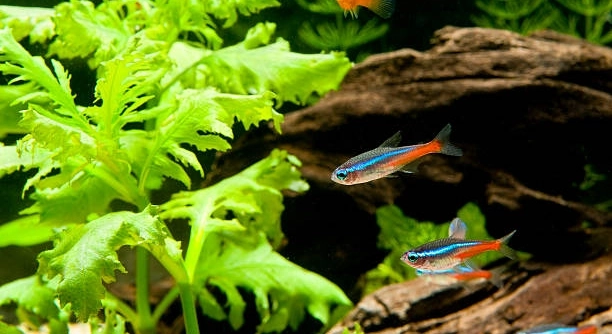
Neon Tetras are vibrant and active fish, known for their playful nature. However, it is important to ensure they are constantly entertained in their tank. Keeping them engaged not only benefits their well-being but also enhances their environment.
Neon Tetras require a variety of environmental enrichment to maintain their activity levels. This includes adding plants, providing hiding spots, offering moving objects, and ensuring compatible tankmates. Regular changes to their surroundings also contribute to stimulating their natural behaviors.
Maintaining their interest can help keep your Neon Tetras happy and healthy in the long term. Several strategies can enhance their environment, promoting both physical and mental stimulation.
Add Live Plants to the Tank
Neon Tetras thrive in tanks with live plants. Plants mimic their natural environment, providing hiding spots and surfaces to explore. The greenery also helps maintain water quality by absorbing excess nutrients. When choosing plants, focus on soft-leaved varieties like Java Moss, Anubias, or Amazon Sword. These plants are easy to care for and provide excellent coverage.
Adding plants is not only visually appealing but also supports the Tetras’ instinctual need to hide and swim around. A planted tank can reduce stress, as Neon Tetras feel more secure in environments that replicate their natural habitat.
When introducing live plants, it’s important to ensure proper lighting. Tetras prefer low to moderate light, which helps the plants thrive without overwhelming the fish. A good filtration system is also essential, as plants require clean water to grow. With careful selection, your tank can offer Neon Tetras a dynamic, enriching space to swim and explore.
Offer Moving Objects
Neon Tetras are highly stimulated by movement. Adding decorations or objects that float or drift with the current can capture their attention. Items like floating plants or a small tank filter with adjustable flow are ideal for keeping the fish engaged.
Moving objects give Neon Tetras the opportunity to chase or interact with their environment, providing mental and physical stimulation. These activities help prevent boredom and support their overall health. If you choose to use objects, make sure they are fish-safe and non-toxic.
Introduce Compatible Tankmates
Neon Tetras are peaceful fish and do best with non-aggressive tankmates. Species like Corydoras, Guppies, or smaller shrimp are ideal. Ensure that tankmates do not compete for the same food or space. Keeping the fish with other non-threatening species will promote a harmonious environment for everyone.
When choosing tankmates, consider the temperament of both the Tetras and other species. Neon Tetras are small and can be intimidated by larger, more aggressive fish. It’s essential to pick fish that are similarly sized and have gentle behavior to avoid stress or territorial issues.
A well-balanced community tank with compatible species not only reduces aggression but also keeps the Neon Tetras active and curious. Tankmates like peaceful shrimp or calm fish help create an enriching environment. A diverse, stress-free community ensures your Neon Tetras can comfortably display their natural behaviors, contributing to their overall well-being.
Provide Varied Foods
Neon Tetras are omnivores and require a varied diet for optimal health. A mix of high-quality flake food, frozen or live foods like brine shrimp, and occasional plant matter ensures a balanced meal plan. Feeding different types of food encourages natural foraging behaviors.
Offering a variety of food not only supports health but also stimulates the Tetras. They’ll spend time searching for their meals, keeping them active. Adding live or frozen foods occasionally mimics their natural diet and can spark curiosity and excitement in the tank. However, portion control is key to avoid overfeeding.
Varying their diet can also encourage better coloration and improve the overall health of your Neon Tetras. Live or frozen foods can be packed with essential nutrients, promoting vibrant colors and strengthening their immune systems. In addition, feeding small portions multiple times a day mirrors their natural eating habits and keeps them engaged.
Add Driftwood or Rocks
Driftwood and rocks provide Neon Tetras with extra hiding places and surfaces to explore. These additions also help create a more natural, diverse environment. Choose smooth, non-sharp rocks or driftwood that won’t harm your fish.
Adding these decorations enhances the tank’s visual appeal and provides a sense of security for the Tetras. They will swim around, hide, and explore the new structures, preventing them from getting bored. Be sure to position the rocks and driftwood in a way that still allows for plenty of open swimming space.
Maintain Water Quality
Neon Tetras are sensitive to poor water conditions. Regular water changes, filtration, and monitoring parameters like pH, temperature, and ammonia levels are essential. Clean water is key to keeping the fish healthy and active.
Maintaining stable water quality will also help prevent stress, which can lead to illness. Test the water regularly to ensure the environment stays consistent. Proper filtration is important to remove waste and toxins, while maintaining temperature between 72–78°F keeps the Tetras comfortable.
FAQ
How often should I feed my Neon Tetras?
Neon Tetras should be fed small amounts 2-3 times a day. Overfeeding can lead to poor water quality, which can stress the fish. Provide enough food that they can consume in 2-3 minutes, ensuring it’s fully eaten to avoid waste buildup.
Can I keep Neon Tetras with other species?
Yes, Neon Tetras are peaceful and do well with many other species. Good tankmates include Corydoras, Guppies, and small shrimp. Avoid keeping them with aggressive or larger fish that might intimidate them. Ensure tankmates are compatible to prevent stress.
What is the ideal tank size for Neon Tetras?
A tank size of at least 10 gallons is recommended for a small group of Neon Tetras. They are active swimmers and need space to move around comfortably. A larger tank will also help maintain better water quality.
What is the best temperature for Neon Tetras?
Neon Tetras prefer water temperatures between 72–78°F (22–26°C). Keeping the water within this range helps them stay active and healthy. Sudden temperature fluctuations can cause stress, so use a heater if necessary to maintain stability.
Do Neon Tetras need a filter?
Yes, a filter is essential for maintaining water quality in the tank. Neon Tetras are sensitive to poor water conditions, and a filter helps remove waste and toxins. Choose a gentle filter to avoid strong currents that may stress the fish.
How do I know if my Neon Tetras are stressed?
Stressed Neon Tetras may display erratic swimming behavior, such as hiding excessively or swimming near the surface. Their colors may also fade, and they might stop eating. Check water parameters regularly and ensure their tankmates are peaceful.
What kind of plants are best for Neon Tetras?
Live plants like Java Moss, Anubias, and Amazon Sword are great for Neon Tetras. These plants provide hiding spots, improve water quality, and enhance the overall look of the tank. Be sure to select plants that do well in low to moderate light.
How can I tell if my Neon Tetras are sick?
Signs of illness in Neon Tetras include faded colors, abnormal swimming, loss of appetite, or visible sores. If you notice any of these symptoms, quarantine the affected fish and check water parameters immediately. Consult an aquarium specialist if necessary.
Can Neon Tetras live in a tank without plants?
While they can survive in a tank without plants, adding plants is highly recommended. Plants provide a more natural and enriching environment, offering places to hide and explore. They also help with water quality and can reduce stress.
How long do Neon Tetras live?
Neon Tetras typically live for 5-10 years in a well-maintained tank with proper care. Their lifespan can be shortened if they are exposed to poor water conditions, stress, or unsuitable tankmates. Ensuring their environment stays stable helps them live longer, healthier lives.
Do Neon Tetras like bright light?
Neon Tetras prefer low to moderate lighting. Bright light can cause stress and make them hide more often. Use dim lighting or position plants to create shaded areas where the fish can rest and feel secure.
Are Neon Tetras hard to take care of?
Neon Tetras are relatively easy to care for, provided their tank is maintained properly. They require clean water, a stable environment, and appropriate tankmates. Regular water changes and monitoring water parameters are key to keeping them healthy.
Can I breed Neon Tetras in my tank?
Breeding Neon Tetras can be challenging in a community tank. They require specific water conditions, such as slightly acidic water, and plenty of live plants for egg laying. If you want to breed them, consider setting up a separate breeding tank for better success.
What type of filter is best for a Neon Tetra tank?
A gentle filter is ideal for Neon Tetras, as they are sensitive to strong currents. Hang-on-back filters or sponge filters work well, providing effective filtration without creating too much movement in the water. Avoid strong powerhead filters.
Can I keep Neon Tetras in a tank with a lid?
Yes, a tank lid is essential to prevent Neon Tetras from jumping out. They are not known for jumping frequently, but it’s better to be safe. A tight-fitting lid helps maintain the tank’s temperature and prevents any accidental escapes.
How many Neon Tetras should I keep together?
Neon Tetras are social fish and should be kept in groups of at least 6-8. A larger group helps them feel secure and encourages natural behaviors. Keeping them in smaller numbers may cause stress, and they might not display their vibrant colors.
Are Neon Tetras sensitive to water changes?
Neon Tetras can be sensitive to sudden changes in water parameters. It’s important to make gradual water changes, no more than 25% at a time. Ensure the new water matches the tank’s temperature, pH, and hardness to avoid shock.
Can I keep Neon Tetras with bettas?
While Neon Tetras are peaceful, it’s not always recommended to keep them with male bettas. Bettas are territorial and may become aggressive toward Neon Tetras. If you choose to keep them together, ensure the betta has plenty of space and hiding spots to reduce conflicts.
Do Neon Tetras require a saltwater tank?
No, Neon Tetras are freshwater fish. They do not require a saltwater tank, and adding salt to their tank can harm them. Stick to freshwater conditions with appropriate water hardness, pH, and temperature to keep them healthy.
Final Thoughts
Neon Tetras are relatively easy to care for, making them a great choice for both beginners and experienced fish keepers. Their peaceful nature and vibrant colors make them an attractive addition to any aquarium. By providing them with the right environment, such as stable water conditions, proper tankmates, and enough space to swim, you can ensure that your Tetras live a long, healthy life. Keeping their tank clean and monitoring water quality are the most important factors to consider when maintaining a healthy aquarium.
It’s also important to offer Neon Tetras a varied diet. While they are not particularly picky eaters, a well-rounded diet of high-quality flakes, pellets, and occasional live food will help them stay active and healthy. Avoid overfeeding, as this can lead to water quality issues and stress. Feeding them small amounts several times a day helps replicate their natural feeding habits and ensures they are getting the nutrition they need. If you keep them with other species, choose peaceful tankmates that won’t intimidate them, as Neon Tetras can become stressed if they feel threatened.
Overall, maintaining a successful Neon Tetra tank requires attention to detail, but it’s manageable for anyone willing to put in a bit of effort. With the right care, your Neon Tetras will thrive in your aquarium, adding beauty and life to your home. Regular water changes, monitoring tank conditions, and making sure your Tetras are well-fed are all key components to ensuring they live a long and fulfilling life. By following these simple guidelines, you’ll be able to enjoy their colorful presence in your tank for years to come.

Hello,
If you enjoy the content that we create, please consider saying a "Thank You!" by leaving a tip.
Every little bit helps us continue crafting quality advice that supports the health, happiness, and well-being of pets around the world, for pets of all shapes, sizes, and species.
We really appreciate the kindness and support that you show us!