
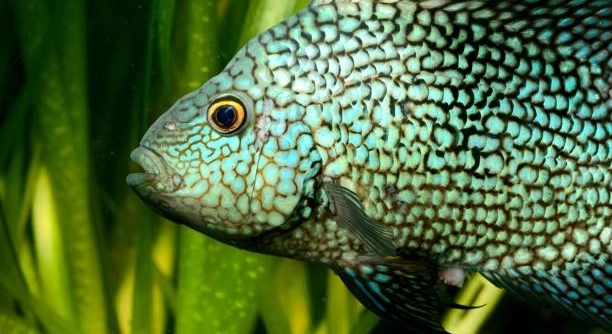
Keeping Jack Dempsey fish active and happy in an aquarium can sometimes be challenging, especially if their environment lacks stimulation or variety. These fish are intelligent and curious, requiring engagement to prevent boredom and maintain healthy behavior.
Providing varied enrichment is essential for Jack Dempsey fish to thrive. Introducing objects such as plants, hiding spots, and interactive feeding methods encourages natural behaviors, reduces stress, and promotes both physical and mental health in a controlled aquatic environment.
Exploring these strategies will help maintain your fish’s activity and ensure a vibrant, stimulating tank for long-term well-being.
Providing Hiding Spots
Jack Dempsey fish feel more secure when they have places to hide. Rocks, caves, and dense plants give them shelter and reduce stress. Hiding spots also encourage natural behaviors, like exploring and defending territory, which keeps them engaged and active. Without such spaces, they may become timid or overly aggressive. Changing up these spots occasionally keeps the environment interesting. Observing how your fish use the hiding areas can help you adjust the setup for maximum comfort and stimulation. Providing varied textures and sizes adds more complexity for them to explore, which is mentally enriching.
Hiding spots also make feeding time more interactive. Your fish will move around, search, and navigate obstacles, which adds activity to their daily routine.
A well-planned tank layout with hiding spots can prevent boredom and aggression. Using natural stones, driftwood, or artificial caves, combined with thick vegetation, helps create territories. Fish can claim favorite spots and interact safely, while you monitor their behavior for signs of stress. Rearranging these spaces occasionally keeps their environment dynamic.
Interactive Feeding Techniques
Feeding should involve more than dropping food in one spot. Scattering pellets or using floating feeders encourages movement and natural hunting instincts.
Offering different types of food at varied times keeps them interested. Small live or frozen treats can mimic hunting behavior.
Rotating feeding methods prevents routine boredom. Some days, use a target or feeding ring; other days, let them forage naturally among plants. Hiding treats under rocks or inside hollow decorations challenges their problem-solving skills. Regularly introducing new textures, shapes, or scents adds stimulation. Interactive feeding also strengthens health by promoting exercise and reducing stress. Maintaining a balance between structured and exploratory feeding ensures your fish stay curious, active, and alert, reducing the risk of lethargy or aggression in the tank over time.
Tank Decorations and Variations
Adding decorations like rocks, driftwood, or artificial plants gives Jack Dempsey fish new areas to explore and interact with. Changing these occasionally keeps their environment dynamic and prevents boredom, encouraging natural behaviors like swimming, hiding, and investigating.
Decorations create territories and stimulate mental activity. By rearranging or introducing new elements, fish are prompted to explore and claim spaces, which reduces stress and aggressive encounters. Different textures and shapes offer sensory variety, keeping their environment from becoming monotonous. Observing how your fish respond to changes helps you understand their preferences and adjust the tank setup for ongoing engagement.
Varied decorations also provide shelter during feeding and play. Fish can investigate hiding spots, weave around obstacles, and interact with the tank in more complex ways. This keeps them active throughout the day and maintains physical health. Regularly updating or rotating decorations ensures continuous stimulation, preventing inactivity and encouraging natural, healthy behaviors.
Social Interaction and Observation
Jack Dempsey fish benefit from observing their surroundings, other tank inhabitants, and even the people around the tank. Interaction through visual stimulation helps reduce stress and keeps them alert.
Introducing compatible tank mates can promote social behaviors and increase activity levels. Fish often investigate new arrivals, chase gently, or engage in territory displays, which keeps them mentally stimulated. Watching your fish’s reactions to changes in the environment or new objects also encourages engagement. Observing patterns in their movement and behavior allows for adjustments that improve comfort and activity.
Careful selection of companions is key, as aggressive or overly timid species can negatively impact their well-being. Even minimal visual interaction with other fish can provide enough stimulation to prevent boredom. Rotating companions or temporarily adding novel items for them to explore encourages curiosity and alertness. Social engagement, combined with environmental enrichment, creates a balanced habitat where Jack Dempsey fish remain active, confident, and healthy over time.
Live Plants in the Tank
Live plants give Jack Dempsey fish places to explore, hide, and swim around, making the tank feel natural and engaging. They also help maintain water quality by absorbing excess nutrients.
Plants with varied shapes and heights encourage movement and exploration. Rotating or adding new plants keeps the environment stimulating.
Water Flow and Current
Adjusting water flow creates a dynamic environment that keeps Jack Dempsey fish active. Gentle currents encourage swimming, while stronger currents can be used for exercise or enrichment. Swimming against varying flows simulates natural conditions, improving stamina and overall health.
Training and Interaction
Using simple tools like feeding sticks or target objects can engage Jack Dempsey fish mentally. Training them to follow cues or interact with objects encourages alertness, problem-solving, and consistent activity.
FAQ
How often should I change the decorations or hiding spots in my Jack Dempsey tank?
It’s best to change decorations every few weeks or whenever you notice your fish losing interest in certain areas. Even small adjustments, like moving a rock or adding a new plant, can stimulate exploration. Observing how they interact with each change helps determine what works best. Variety prevents boredom and encourages natural behaviors like swimming, exploring, and claiming territory, which is crucial for both mental and physical health.
Can Jack Dempsey fish live with other species?
Yes, but careful selection is required. Compatible species are typically those that are similar in size and temperament. Avoid overly timid or aggressive fish, as conflicts can cause stress or injury. Providing plenty of hiding spots and open swimming space minimizes territorial disputes. Even minimal visual interaction with other fish can create mental stimulation without causing stress. Monitoring their interactions ensures a balanced social environment and keeps your Jack Dempsey fish engaged.
What types of live plants are suitable for their tank?
Sturdy plants like Java fern, Anubias, or Amazon sword work well because they can withstand occasional digging or nibbling. Tall and dense plants provide hiding spots, while shorter ones encourage swimming and exploration. Rotating or adding new plant types occasionally keeps the environment dynamic, stimulating curiosity and natural behaviors. Live plants also help maintain water quality by absorbing excess nutrients and providing oxygen, supporting overall health.
How can I use feeding to keep them active?
Feeding can be interactive. Scatter pellets, use floating feeders, or hide treats under rocks to mimic natural hunting behaviors. Vary the type, size, and placement of food to maintain interest. Live or frozen foods like brine shrimp or bloodworms encourage chasing and foraging. Alternating feeding methods ensures they remain curious and physically active, preventing lethargy and promoting healthy exercise habits.
Will training exercises stress my fish?
Not if done gradually and consistently. Simple exercises, like target following or using a feeding stick, provide mental stimulation without pressure. Keep sessions short and positive. Observe their response and stop if they seem stressed. Training encourages alertness, problem-solving, and activity, enhancing both mental and physical well-being. It also strengthens their interaction with the environment, making daily routines more engaging.
What water flow is ideal for activity?
Moderate flow is usually sufficient to stimulate swimming without exhausting them. Gentle currents encourage normal movement, while slightly stronger currents can be used occasionally for exercise. Changing flow patterns mimics natural conditions, promoting activity and stamina. Avoid sudden or extreme changes, as this can cause stress. Consistent monitoring helps maintain an engaging yet safe environment.
How often should I monitor their activity levels?
Daily observation is ideal. Notice changes in swimming patterns, aggression, or hiding behaviors. Consistent monitoring allows you to adjust tank layout, feeding, or enrichment strategies as needed. Sudden inactivity or excessive aggression can indicate stress, poor water quality, or illness. Tracking behaviors ensures your Jack Dempsey fish remain engaged, active, and healthy.
Do artificial decorations provide the same engagement as natural elements?
Artificial decorations can stimulate activity, but they may lack the texture and variation of natural materials. Combining both artificial and natural elements offers diverse environments. Rocks, caves, and sturdy fake plants can be used to supplement live plants, providing hiding spots, swimming challenges, and mental enrichment. Regularly rearranging decorations, whether natural or artificial, keeps the tank dynamic and prevents boredom.
Can temperature changes affect engagement?
Yes, maintaining a stable temperature within the 74–80°F range ensures normal activity and behavior. Fluctuations can cause lethargy, stress, or aggressive tendencies. Using a reliable heater and monitoring daily prevents sudden changes, helping Jack Dempsey fish remain active and comfortable in their environment.
How do I know if my engagement strategies are working?
Signs of effective enrichment include regular exploration, active swimming, playful interaction with objects, and reduced aggression. Fish that use hiding spots, interact with companions, and follow feeding routines show engagement. Observing their behavior after rearranging decorations, adding plants, or using interactive feeding helps gauge success. Continuous adjustments ensure your fish remain stimulated and healthy over time.
Jack Dempsey fish are intelligent and active creatures that benefit greatly from a stimulating environment. Keeping them engaged is not just about aesthetics or novelty; it directly impacts their mental and physical health. When their surroundings are predictable and monotonous, they may become stressed, lethargic, or display aggressive behavior. Simple changes, like adding hiding spots, rearranging decorations, or introducing live plants, create a dynamic space that encourages exploration and natural behaviors. Observing your fish regularly allows you to notice how they interact with these additions and adjust the tank setup accordingly. Even small adjustments can make a noticeable difference in their activity levels, helping to maintain a balanced and healthy aquarium ecosystem.
Feeding routines are another key factor in keeping Jack Dempsey fish engaged. Using interactive feeding methods, such as scattering food, hiding treats, or using feeding sticks, simulates natural hunting behaviors and encourages movement. Varying food types, textures, and placement prevents boredom and promotes exercise, which contributes to overall health. Training exercises, though simple, can also provide mental stimulation. Target following or using cues during feeding strengthens problem-solving skills and keeps the fish alert. A combination of structured feeding and exploratory foraging ensures that they remain both physically active and mentally engaged, reducing stress and promoting longer, healthier lives in captivity.
Social interaction and observation further enhance engagement. While Jack Dempsey fish can be territorial, compatible tank mates or visual interaction with other fish can encourage natural social behaviors without causing harm. Watching their environment and interacting with objects or companions provides continuous stimulation. Water flow adjustments and varying tank currents also promote active swimming, simulating natural conditions and improving stamina. By maintaining a carefully monitored and enriched environment, you create a balanced habitat that supports curiosity, exploration, and well-being. Focusing on consistent care, observation, and environmental enrichment ensures that your Jack Dempsey fish remain active, healthy, and engaged for years to come, making their aquarium a lively and fulfilling space.

Hello,
If you enjoy the content that we create, please consider saying a "Thank You!" by leaving a tip.
Every little bit helps us continue crafting quality advice that supports the health, happiness, and well-being of pets around the world, for pets of all shapes, sizes, and species.
We really appreciate the kindness and support that you show us!