
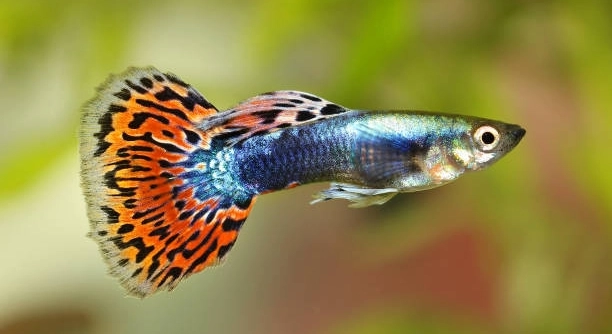
Guppy fry can be a joy to watch, but they are also highly vulnerable to being eaten by adult fish. Protecting them is essential for ensuring their survival. This guide offers seven practical ways to keep your guppy fry safe.
To prevent guppy fry from getting eaten, it is crucial to separate them from adult fish. You can use breeding tanks, mesh dividers, or even floating fry traps to ensure the adults cannot reach the delicate fry.
With these methods, you can effectively protect your fry. Discover more tips to create a safe environment for them to grow and thrive.
Use a Separate Breeding Tank
One of the best ways to protect guppy fry is by placing them in a separate breeding tank. This prevents adult fish from attacking them. A breeding tank should have soft water, low lighting, and gentle filtration. The fry can grow in a calm environment without the constant threat of larger fish. These tanks are often small and simple, making them easy to manage.
Setting up a breeding tank also makes it easier to monitor water quality and fry development. You can add plants or decorations for extra hiding spots. Keeping the fry away from adults ensures they have enough space to grow.
Remember to check the water regularly. Fry are very sensitive to changes in their environment. Ensure the water temperature is stable, and use gentle filters that won’t harm the fry. Avoid overcrowding the tank to reduce stress. Having a separate breeding tank might seem like extra work, but it is one of the most reliable methods for keeping your guppy fry safe.
Use a Mesh Divider
Mesh dividers are an affordable and effective way to protect your fry. By separating the fry from the adults, you allow them to grow without fear of being eaten.
These dividers come in various sizes and can be adjusted to fit your aquarium. They let the fry move freely while keeping them safe from adult fish. They are easy to install and remove, which adds convenience. It is crucial to monitor the size of the holes in the mesh to prevent adult fish from slipping through. Make sure the divider is firmly in place to prevent any accidental breaches.
By using a mesh divider, your fry will be able to thrive in a sectioned-off area. They can continue to explore their space while avoiding contact with larger fish. This solution is both affordable and straightforward. It also helps to keep the tank looking neat and organized while offering your fry the safety they need.
Use Floating Fry Traps
Floating fry traps are another practical solution for keeping your guppy fry safe. These traps are designed to float on the surface of the water, allowing the fry to stay inside while avoiding adult fish.
The trap works by creating a barrier that keeps the fry contained in a secure area. It’s easy to set up and doesn’t require much space. Make sure the trap has a fine mesh so the fry cannot escape, while also allowing water flow. If the trap is too large, it may encourage overcrowding, so choose the right size for the number of fry you have.
Floating fry traps also help reduce stress by providing a quiet space away from the adults. They are usually made from soft, safe materials, making them ideal for the fragile fry. The transparent walls allow you to keep an eye on the fry without disturbing them. It’s a simple, efficient, and safe method to protect your little guppies.
Add Live Plants for Hiding Spots
Live plants are a great way to provide hiding spots for your guppy fry. They naturally offer protection by creating areas where the fry can swim safely away from adult fish.
Aquatic plants, like Java moss or hornwort, provide excellent cover. These plants grow quickly, providing both shelter and oxygen for the fry. Adding plants can also improve the overall quality of the tank water by absorbing excess nutrients and helping maintain a healthy environment.
The dense plant growth allows the fry to hide in small spaces. This helps to reduce the risk of them being eaten. Additionally, the plants offer a more natural and enriching habitat for your fry, promoting healthy development. It’s a low-cost method to help your guppy fry grow safely while maintaining a thriving aquarium ecosystem.
Feed Adults Separately
Feeding adult fish separately helps prevent them from eating the fry. By ensuring they are well-fed, adult fish are less likely to see the fry as food.
You can feed the adults in a separate tank or section of the aquarium. This minimizes the chance of them hunting the smaller fry. Make sure to provide plenty of food for the adults so they don’t turn to the fry out of hunger.
This method also reduces stress on the fry since they won’t have to worry about predators. It’s an easy strategy that helps maintain the balance in the tank while promoting healthy growth for both adults and fry.
Use a Smaller Tank for Fry
Using a smaller tank for the fry can keep them safe from the adults. This gives them more control over their environment and keeps predators away.
A small tank is easier to manage, and you can closely monitor water quality. With fewer fish, it’s easier to maintain a stable, healthy environment. Make sure the tank is well-oxygenated, and avoid overfeeding to prevent water quality issues.
The fry will feel safer in a smaller, separate space. They can grow and develop without constant fear of being eaten, and you’ll have more control over their environment.
FAQ
Why do guppy fry get eaten by adults?
Guppy fry are often seen as food by adult guppies, especially when they’re hungry or stressed. Since fry are small and defenseless, they are easy prey for the adults. If the adult fish aren’t adequately fed, they may instinctively try to eat the smaller fish to satisfy their hunger. This behavior is quite common in many fish species, and guppy fry are particularly vulnerable due to their small size.
Can I prevent adult guppies from eating the fry?
Yes, you can prevent adult guppies from eating fry by using a separate breeding tank, mesh dividers, or floating fry traps. You can also add plenty of live plants in the aquarium, as they provide hiding spots for the fry. These methods reduce the risk of adults attacking and help the fry grow safely. Regularly feeding the adults and separating the fry from the adults will help minimize the chance of predation.
What is the best environment for guppy fry?
The best environment for guppy fry is a peaceful, well-maintained aquarium with clean water and plenty of hiding places. A breeding tank with gentle filtration, low lighting, and stable water temperature is ideal. Live plants or decorations can offer the fry protection from adult fish. Keeping the water conditions stable and monitoring the fry’s health regularly ensures they thrive.
How often should I feed guppy fry?
Guppy fry should be fed small amounts of food multiple times a day. Overfeeding can lead to water quality issues, so it’s important to feed just enough for them to consume. High-quality fry food or crushed flakes are suitable, and adding freshly hatched brine shrimp or micro-worms can provide additional nutrition. Keep in mind that fry grow quickly, so their feeding needs may increase as they mature.
Can I raise guppy fry in a community tank?
Raising guppy fry in a community tank can be risky, as adult fish may eat them. However, it is possible if you have plenty of hiding spaces, live plants, and a gentle filtration system. You can also try using a mesh divider or breeding box to separate the fry from the adults. Keep in mind that without proper separation, most fry will likely be eaten by the adult fish.
How long does it take for guppy fry to grow big enough to avoid being eaten?
Guppy fry typically grow quickly and can reach a size where they are no longer at risk of being eaten in about 4 to 6 weeks. During this period, they should be kept in a safe, separate environment to avoid predation. By the time they reach 1 to 1.5 inches, they are generally large enough to defend themselves from adult guppies. However, their growth rate can vary depending on water conditions and food availability.
What should I do if my guppy fry are constantly stressed?
If your guppy fry are constantly stressed, check the water conditions first. Poor water quality, sudden temperature changes, or too much movement in the tank can all cause stress. Ensure the fry are in a quiet, stable environment with plenty of hiding spots. It may also help to reduce the number of fish in the tank to prevent overcrowding. Monitor the behavior of the adult fish and remove any overly aggressive individuals that may be stressing the fry.
How do I know if my guppy fry are healthy?
Healthy guppy fry should be active, swimming around the tank, and eating regularly. They should have clear eyes, smooth skin, and vibrant colors. If they appear lethargic, have faded colors, or are swimming erratically, these could be signs of stress, poor water quality, or illness. Regular water changes, proper feeding, and a stable environment can help keep the fry healthy. If you notice any unusual behavior, it’s important to check the water parameters and treat any health issues promptly.
Can I use chemicals to keep adult guppies from eating the fry?
It is not recommended to use chemicals to prevent adult guppies from eating fry. While some chemicals may temporarily calm the adults, they can also harm the fry or other tank inhabitants. It’s better to rely on natural methods like providing plenty of hiding spaces, using breeding tanks or dividers, and feeding adults separately. Maintaining proper water conditions and a balanced tank will help ensure the fry are safe and healthy.
What are the signs that my guppy fry are ready to be released into the main tank?
Guppy fry are ready to be released into the main tank when they are large enough to avoid being eaten and can swim confidently. This usually happens around 4 to 6 weeks, once they reach a size of about 1 inch. It’s important to ensure that the fry are not too small before introducing them to the main tank to avoid the risk of predation. You can also gradually introduce them to the main tank by using a mesh divider to allow them to adjust slowly.
Final Thoughts
Keeping guppy fry safe from adult fish is essential for their survival and healthy growth. By creating a suitable environment, using methods like breeding tanks, mesh dividers, or floating fry traps, you can significantly reduce the risk of them being eaten. Providing plenty of hiding spots, such as live plants, also offers the fry safe spaces to grow. These small changes can make a big difference in the survival rate of your fry. If you take the time to protect them during their early stages, you can enjoy watching them grow into healthy adult guppies.
Maintaining a stable environment is crucial when raising guppy fry. Regular water changes, proper filtration, and the right temperature help ensure the fry thrive. Keeping the water clean not only prevents illness but also reduces stress, which is important for their development. It’s important to monitor water parameters closely, as fry are especially sensitive to any changes. By focusing on providing a healthy environment, you increase the chances that the fry will grow strong and avoid being eaten by the adults.
Patience is key when raising guppy fry. They grow quickly, but it can still take several weeks before they are large enough to be safe from adult guppies. During this time, make sure they have access to enough food, a quiet environment, and plenty of space to swim. With a little effort and the right setup, you’ll be able to raise a healthy batch of guppy fry. Keep in mind that every tank is different, so experiment with different methods to find what works best for you and your fish.

Hello,
If you enjoy the content that we create, please consider saying a "Thank You!" by leaving a tip.
Every little bit helps us continue crafting quality advice that supports the health, happiness, and well-being of pets around the world, for pets of all shapes, sizes, and species.
We really appreciate the kindness and support that you show us!