
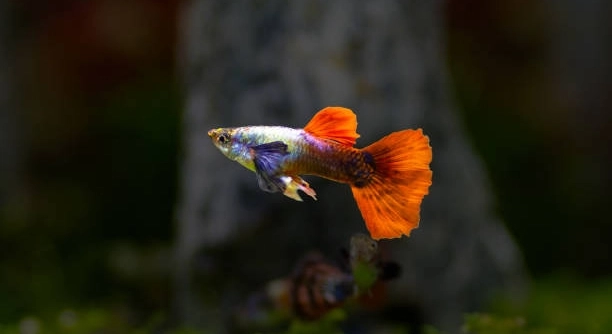
Guppies are small, colorful fish that can bring a lot of joy to your home. Keeping them happy and healthy requires attention to their environment and daily needs. It’s important to understand how to care for these delicate creatures.
To keep guppies happy, focus on providing a clean tank, stable water conditions, proper nutrition, and companionship. Regular water changes, a balanced diet, and the right tank mates can help your guppies thrive and feel secure.
Small changes in their environment or diet can make a big difference in their well-being. Maintaining a stable tank setup and meeting their needs will ensure your guppies stay vibrant and healthy for a long time.
Keep the Tank Clean and Stable
A clean and stable tank is the foundation of a happy life for your guppies. Regular water changes, ideally once a week, help maintain good water quality. Be sure to monitor ammonia, nitrites, and nitrates to avoid harmful levels that can stress your guppies. Installing a reliable filter is essential for keeping the water clear and oxygenated. If your tank water is unstable, your guppies will become stressed, which can lead to illness. Keeping the tank free from uneaten food and waste is equally important to maintain a healthy environment.
Guppies are very sensitive to changes in their environment, so it’s crucial to keep things consistent. Water temperature and pH levels should be checked regularly to ensure they remain within the ideal range for guppies.
The temperature should stay between 72 and 82°F (22 to 28°C). A stable temperature encourages healthy growth and active behavior. Installing a heater and thermometer is a good practice to keep the temperature in check. This will help prevent sudden spikes or drops that could harm your guppies.
Provide a Balanced Diet
Guppies thrive on a diet that includes a mix of high-quality flake food, live food, and occasional treats. Their diet should be varied to ensure they receive all the necessary nutrients for proper growth and energy. Overfeeding can lead to water quality issues, so feed them small portions once or twice a day.
Live or frozen foods, such as brine shrimp or daphnia, are great options to include in their diet. These foods offer a good source of protein and can help enhance the colors of your guppies. Be cautious not to overfeed, as it can lead to bloating and water contamination. Offering vegetables like spinach or peas occasionally can also add variety to their diet and improve digestion.
You should also be mindful of the type of flakes or pellets you use. Choose foods that are specifically designed for guppies, as they will have the right balance of nutrients. Ensure that the food is small enough for your guppies to consume easily. This ensures they get the proper nourishment without creating excess waste in the tank.
Tank Size and Space Matters
The size of your guppy’s tank plays an important role in their happiness. A cramped tank can cause stress and lead to poor health. Guppies are active fish and need enough space to swim freely. A minimum of a 10-gallon tank is recommended for a small group of guppies, allowing them to move comfortably.
Too many guppies in a small space can quickly lead to overcrowding, which can result in aggression, stress, and poor water quality. Overcrowding can also encourage the spread of diseases. If you plan to keep more than one male, consider adding enough females to reduce territorial behavior. A larger tank can also accommodate more plants and decorations, providing guppies with hiding spots and a more natural environment.
Remember that maintaining water quality in a larger tank is easier than in a smaller one. A bigger space allows better filtration and greater stability, which helps keep your guppies happy and healthy.
Provide Companionship
Guppies are social fish that enjoy the company of their own kind. Keeping at least two to three guppies together helps prevent loneliness and reduces stress. This can lead to more active and healthier fish. A single guppy might feel isolated and exhibit behavioral issues.
Adding a variety of guppies, especially males and females, will create a more dynamic social environment. However, avoid having too many males in a small tank, as they can become territorial. Female guppies also appreciate the companionship of other females, creating a more peaceful atmosphere in the tank.
Proper Lighting for Guppies
Guppies thrive in environments with consistent light and dark cycles. Make sure they get around 10 to 12 hours of light per day, followed by a period of darkness. This mimics their natural day-night rhythm and helps regulate their biological processes.
Excessive light can cause stress and promote algae growth, so keep lighting balanced. A timer can be useful to maintain a consistent light schedule, especially if you’re away for long periods. Proper lighting supports their active behavior and improves the overall aesthetic of your tank.
FAQ
How often should I change the water in my guppy tank?
You should change 25-30% of the water in your guppy tank once a week. Regular water changes help maintain good water quality and prevent harmful buildups of toxins like ammonia, nitrites, and nitrates. It’s best to perform partial water changes instead of completely replacing the water, as this helps maintain the balance of beneficial bacteria in the tank. Before adding fresh water, make sure it’s conditioned and matches the temperature of the tank to avoid stressing your guppies.
What temperature is best for guppies?
Guppies prefer water temperatures between 72°F and 82°F (22°C – 28°C). Temperatures outside this range can cause stress and weaken their immune system, making them more susceptible to disease. A stable temperature is key, so invest in a reliable aquarium heater and thermometer. Ensure that the temperature doesn’t fluctuate too much, as this can cause harm to your fish.
Can guppies live with other fish?
Yes, guppies are peaceful and social fish that can live with many other species, as long as their tank mates are non-aggressive. Good options include small tetras, mollies, and platys. Avoid pairing guppies with larger or more aggressive fish, like cichlids or bettas, as they may stress or harm the guppies. Keep in mind the tank size and ensure your tank mates are compatible in terms of water requirements and behavior.
What should I feed my guppies?
Guppies eat a variety of foods, including high-quality flake food, frozen or live foods like brine shrimp, daphnia, and worms. You can also give them small amounts of blanched vegetables like spinach, peas, or zucchini. Make sure to feed them small portions once or twice a day to avoid overfeeding, which can pollute the water. Always remove uneaten food after a few hours to keep the tank clean.
Why is my guppy’s color fading?
Fading colors in guppies can be caused by poor water quality, stress, or inadequate diet. If the water conditions aren’t ideal, such as incorrect temperature, pH, or high levels of toxins, guppies may lose their vibrancy. Ensure your guppy’s tank is properly maintained and that they are eating a well-balanced diet rich in nutrients. Stress from overcrowding or aggressive tank mates can also affect their color.
How can I tell if my guppy is sick?
Sick guppies often exhibit symptoms like lethargy, loss of appetite, abnormal swimming behavior, or changes in appearance (like clamped fins or lesions). If you notice any of these signs, check the water quality immediately, as poor conditions often contribute to health problems. If the water is fine, consider isolating the affected fish in a quarantine tank to prevent the spread of illness. A visit to an aquarium vet can be helpful for a proper diagnosis.
Can guppies live alone?
While guppies can survive alone, they are social creatures that thrive in groups. A single guppy may become lonely, leading to stress or inactivity. It’s best to keep at least two or three guppies together, preferably with a mix of males and females to encourage natural social behaviors. However, make sure you don’t overcrowd the tank, as that can lead to stress and water quality issues.
How long do guppies live?
Guppies typically live for about 2 to 3 years, although some may live a bit longer with proper care. Lifespan can be affected by water quality, diet, tank mates, and overall stress levels. Regular maintenance, healthy feeding habits, and stable tank conditions will help maximize the lifespan of your guppies.
How can I tell the difference between male and female guppies?
Male guppies are usually smaller, more colorful, and have a long, slim body. They also have a modified fin called a gonopodium, which they use for mating. Female guppies are larger, more muted in color, and have a more rounded body, especially when carrying eggs. Males tend to be more active and will display their colors to attract females.
Why are my guppies swimming at the top of the tank?
Guppies swimming at the top of the tank can be a sign of several things, including oxygen depletion or improper water quality. Check the water parameters, including oxygen levels, to make sure everything is in balance. If the water is too warm or not oxygenated enough, your guppies may swim near the surface to get more oxygen. Another reason could be stress from aggressive tank mates or an overcrowded tank.
Should I separate pregnant guppies from the rest of the fish?
Yes, it’s recommended to separate pregnant guppies in a breeding box or quarantine tank to ensure they give birth safely and without stress. This will prevent other fish from eating the newborn fry, as guppies are known to eat their young. Make sure the breeding tank has a gentle filter and plenty of hiding spots for the fry.
Do guppies need a filter in their tank?
Yes, guppies benefit from having a filter in their tank. A filter helps maintain water quality by removing debris, waste, and harmful substances. It also promotes healthy oxygenation of the water. However, be sure to choose a filter with a gentle flow, as strong currents can stress your guppies, especially if they are young or older.
Can I keep guppies in a small tank?
While guppies can technically live in a small tank, it’s not ideal. A tank smaller than 5 gallons can lead to overcrowding and water quality issues, which can stress the fish. It’s best to keep guppies in a tank that is at least 10 gallons to ensure they have enough space to swim and thrive.
Final Thoughts
Taking care of guppies is relatively simple, but it requires attention to detail. By maintaining a clean tank, providing the right diet, and creating a stable environment, you can ensure your guppies stay healthy and happy. These small fish are active and colorful, adding life to any aquarium. Their easygoing nature makes them suitable for beginners, but it’s still important to understand their basic needs. If you pay attention to their water quality, lighting, tank mates, and diet, your guppies will thrive for years to come.
Guppies are social animals, so keeping them in groups is crucial for their well-being. It’s important to avoid overcrowding, as this can lead to stress and poor water quality. Offering a variety of food options, including live or frozen foods, will help keep them healthy and vibrant. While it’s not necessary to have many different tank mates, choosing peaceful companions that share similar water conditions will also contribute to a happy environment for your guppies. Keeping the tank conditions stable and adjusting them when needed will ensure your guppies don’t face unnecessary stress.
Remember, guppies have a relatively short lifespan, typically around 2 to 3 years. By providing proper care, you’ll give them the best chance for a long, healthy life. While they don’t require a lot of effort, a little attention to their needs can make a big difference in their happiness. With a well-maintained tank and good nutrition, your guppies will live contently, bringing beauty and joy to your home for as long as possible. Keep an eye on their environment, and your guppies will surely thrive.

Hello,
If you enjoy the content that we create, please consider saying a "Thank You!" by leaving a tip.
Every little bit helps us continue crafting quality advice that supports the health, happiness, and well-being of pets around the world, for pets of all shapes, sizes, and species.
We really appreciate the kindness and support that you show us!