
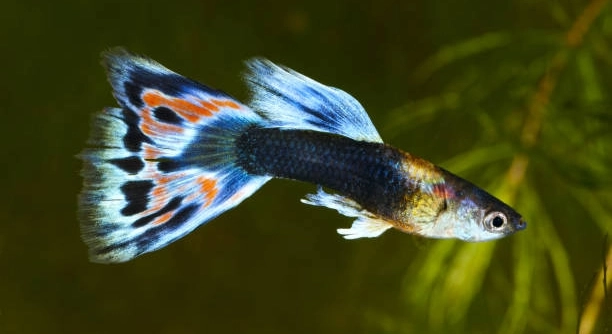
Guppies are popular fish known for their vibrant colors and lively personalities. However, like all animals, they can experience stress, which can affect their health and well-being. Understanding how to prevent this stress is essential for their care.
To keep guppies from stressing, focus on their environment, water quality, diet, and tank mates. These factors are crucial to maintaining a calm and healthy habitat, ensuring your guppies stay happy and active.
Simple steps can make a big difference in keeping your guppies calm. From adjusting the water temperature to carefully choosing tank companions, there are several key actions you can take to help your fish thrive.
Proper Tank Size for Guppies
Guppies are small fish, but they still need plenty of space to swim and feel comfortable. A tank that is too small can increase stress, limit movement, and cause territorial issues. A 10-gallon tank is ideal for a small group of guppies. If you have more than a few, consider a larger tank to provide enough space for each fish to swim freely.
When setting up the tank, remember to add decorations, plants, and hiding spots. This not only enhances the aesthetic but also gives guppies places to retreat if they feel threatened. A proper tank size combined with a few hidden areas ensures your guppies have room to explore without feeling crowded or trapped.
Additionally, overcrowding can lead to aggression. Each guppy needs enough personal space to thrive. If your tank is too small, consider upgrading. A larger tank creates a healthier environment where guppies can live peacefully. Ensure your tank is appropriately stocked based on its size to prevent stress.
Maintain Clean Water Conditions
The quality of water in your guppy tank is one of the most important factors in preventing stress. Dirty water can cause health problems, stress, and even death. Regularly check the water’s temperature, pH, and ammonia levels to ensure it remains healthy for your guppies.
Water quality also includes proper filtration and regular water changes. Aim for a 25% water change every week to keep the tank fresh and remove waste. Keeping water clean reduces the risk of diseases and keeps your fish feeling comfortable and relaxed.
Water Temperature Control
Maintaining the right water temperature is essential for your guppies’ health. Guppies prefer temperatures between 72°F and 82°F. Too hot or too cold, and they may become stressed.
Invest in a reliable aquarium heater to maintain a consistent temperature. Sudden temperature changes or fluctuations can weaken your guppies’ immune systems, making them more prone to diseases. A thermometer is crucial to keep track of the temperature and adjust as needed.
Guppies are tropical fish, so their temperature range is vital for normal activity and overall well-being. If the water becomes too cold, they will become lethargic, while water that’s too warm can cause them to become stressed or even lead to overheating. Consistency is key.
The Right Diet for Guppies
A balanced diet is crucial to your guppies’ well-being. Providing them with high-quality fish flakes, live food, or frozen foods ensures they receive essential nutrients.
Overfeeding can cause water quality issues, which may lead to stress and health problems for your guppies. Feed them small amounts twice a day, and remove any uneaten food after a few minutes. This prevents water contamination while keeping your guppies satisfied and healthy.
Variety is important as well. Offer a mix of different foods, such as brine shrimp, daphnia, or finely chopped vegetables. This ensures they get a range of vitamins and minerals, preventing malnutrition. Guppies are omnivores, so feeding them a combination of plant-based and protein-rich foods is ideal.
Avoiding Aggressive Tank Mates
When choosing tank mates for guppies, make sure they are peaceful. Aggressive fish can stress out your guppies and cause them to hide or become sick.
Avoid large, predatory fish like cichlids that may view guppies as food. Additionally, avoid fin-nippers like some species of tetras. These can harm your guppies and increase their stress levels.
Proper Lighting
Guppies need proper lighting to stay healthy. Too much light can stress them, while too little can affect their natural behavior.
Provide a consistent light cycle to mimic natural day and night. 10-12 hours of light each day is typically sufficient. Avoid leaving the lights on for too long, as it can lead to algae growth and disrupt your guppies’ rest.
FAQ
How can I tell if my guppies are stressed?
Stress in guppies can be identified through a few key signs. If your guppy is swimming erratically, hiding a lot, or staying near the surface of the water, these may be signs of stress. You might also notice changes in their coloration, with stressed guppies often becoming duller. They may also stop eating or show a decrease in activity levels. If you observe these behaviors, it’s important to address the environment, tank mates, or water conditions.
What is the ideal water pH for guppies?
Guppies thrive in slightly alkaline water with a pH range of 7.0 to 8.2. It’s important to test your tank water regularly using a reliable pH test kit. Sudden changes in pH can cause stress and health problems, so it’s crucial to maintain a stable pH level. If necessary, adjust the pH gradually using products designed for aquarium use. Remember, stability is key, and avoiding extreme fluctuations is essential for your guppies’ well-being.
Can guppies live with other types of fish?
Yes, guppies can live with many other types of fish, but it’s important to choose peaceful species. Guppies are small and gentle, so larger or more aggressive fish may bully them. Good tank mates for guppies include other small, peaceful fish like mollies, platies, and tetras. Avoid keeping them with aggressive fish like goldfish or bettas. When introducing new fish, always monitor the tank closely to ensure that all the fish are getting along well and there are no signs of bullying or stress.
How often should I change the water in my guppy tank?
Water changes are essential to maintaining a healthy tank. For guppies, it’s best to change about 25-30% of the water every week. Regular water changes help remove toxins, uneaten food, and other waste products that can accumulate in the tank. Be sure to treat tap water with a dechlorinator before adding it to the tank to prevent harm to your fish. Keeping the water clean is a key factor in reducing stress and promoting a healthy environment for your guppies.
How can I prevent guppy fry from getting eaten?
Guppy fry are small and vulnerable, and adult guppies may sometimes eat them. To protect them, consider setting up a separate breeding tank or using a breeder box. These boxes allow the fry to grow safely away from adult fish. If you prefer not to set up a separate tank, provide plenty of hiding spaces in the main tank using plants or decorations where the fry can retreat and stay hidden from the adults.
Is it necessary to use a filter in the guppy tank?
Yes, a filter is highly recommended for a guppy tank. A filter helps keep the water clean by removing waste, debris, and excess food. It also ensures that the water is properly oxygenated, which is essential for the health of your guppies. When selecting a filter, make sure it is appropriate for the size of your tank and provides gentle water flow. Strong currents can stress out guppies, so choose a filter with adjustable flow or one designed for smaller tanks.
Can guppies live in cold water?
Guppies are tropical fish, so they prefer warmer water temperatures between 72°F and 82°F. Cold water, especially below 68°F, can stress them and make them more susceptible to diseases. If your home is naturally cold, it’s important to invest in a heater to maintain a stable temperature in the tank. Keeping the water at a consistent temperature is essential for the health and well-being of your guppies.
Why are my guppies’ colors fading?
Fading colors in guppies can indicate stress or poor water conditions. If the water quality is not optimal, guppies can lose their bright colors. Additionally, sudden temperature changes, overcrowding, or aggression from tank mates can also lead to color loss. Ensure that your guppies have a clean, stable environment with proper lighting and temperature. A balanced diet rich in nutrients can also help maintain their vibrant colors.
How many guppies should I keep together?
Guppies are social fish and do best in groups. It’s recommended to keep at least three to five guppies together to ensure they feel secure and comfortable. Having multiple guppies helps reduce stress and prevents any one fish from being overly dominant or isolated. However, avoid overcrowding, as too many guppies in a small space can lead to stress and health problems. Keep in mind that male guppies tend to be more active and colorful, while females are often more subdued. Having a mix of both males and females can create a balanced and harmonious environment.
What size tank is best for guppies?
The size of the tank depends on how many guppies you plan to keep. A 10-gallon tank is ideal for a small group of guppies, typically around 6-8 fish. For every additional 2-3 guppies, you’ll need 1 extra gallon of water. The more space you provide, the less likely the guppies will feel crowded, which reduces stress. Larger tanks also make it easier to maintain water quality and provide more space for decorations and hiding spots. Always avoid overcrowding, as it can lead to stress and unhealthy water conditions.
Final Thoughts
Taking care of guppies doesn’t have to be complicated, but it does require attention to detail. By providing them with a clean tank, a proper water temperature, and a balanced diet, you can help your guppies stay healthy and happy. It’s also important to choose peaceful tank mates and avoid overcrowding, as these factors can contribute to stress. Remember, the simpler the environment is for your guppies, the better they will thrive.
Water quality is key to preventing stress in guppies. Regular water changes, a reliable filtration system, and monitoring water conditions can go a long way in maintaining a healthy environment. In addition to this, the tank should be set up with enough space for your guppies to swim and explore. Adding plants or decorations can also give them places to hide and reduce anxiety. This makes a big difference in how your fish feel and behave in their tank. It’s always worth investing in equipment that ensures your guppies’ environment stays consistent.
Lastly, guppies are social fish, and keeping them in groups is essential for their well-being. Be mindful of how many fish are in the tank, as overcrowding can cause stress. As long as you’re attentive to their needs and provide a balanced environment, your guppies should live long and happy lives. The key is to monitor their health regularly and make adjustments when needed. In the end, with just a little care and consideration, you can create the best possible home for your guppies.

Hello,
If you enjoy the content that we create, please consider saying a "Thank You!" by leaving a tip.
Every little bit helps us continue crafting quality advice that supports the health, happiness, and well-being of pets around the world, for pets of all shapes, sizes, and species.
We really appreciate the kindness and support that you show us!