
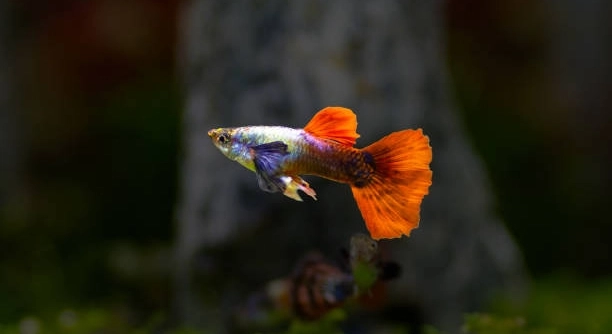
Keeping guppies healthy is essential to their well-being. These small fish can easily become sick if proper care is not provided. Knowing how to prevent illness can ensure your guppies live a long, vibrant life.
To prevent guppies from getting sick, maintaining clean water, proper nutrition, and stable tank conditions is crucial. Regular water changes, balanced diets, and avoiding overcrowding can all help reduce stress and prevent disease.
Understanding the factors that contribute to guppy health will not only help you avoid common issues but also promote a thriving, colorful aquarium. These simple steps make a big difference in ensuring their happiness and longevity.
Keep the Water Clean
Guppies are particularly sensitive to water quality, and poor water conditions can quickly lead to health problems. It’s important to maintain a clean tank by performing regular water changes. Aim for 25-30% water changes every week, depending on the tank size. Clean the substrate to remove excess waste, which can build up and affect water quality. Proper filtration helps remove debris and maintain the right balance of chemicals in the water. Without a good filtration system, harmful bacteria can grow, making the environment unsafe for your guppies.
One of the simplest ways to ensure clean water is by testing the water’s pH, ammonia, nitrite, and nitrate levels. High levels of these substances can harm your guppies. Keep the water temperature between 75-80°F, as drastic temperature fluctuations can cause stress. A thermometer is essential for monitoring the water temperature.
Keeping your water clean also involves removing uneaten food and other waste. Leftover food can quickly decompose and release harmful toxins into the water, leading to bacterial growth. Always feed your guppies the right amount of food they can consume in a few minutes to avoid waste buildup.
Provide a Balanced Diet
A proper diet ensures your guppies stay healthy. Their diet should include high-quality flakes, pellets, and occasional live or frozen food.
Feeding them a variety of foods supports a stronger immune system and vibrant colors. When you provide a balanced diet, guppies are less likely to become sick due to nutritional deficiencies. Their small size means they have high energy needs, so feeding them properly is essential for overall health.
Avoid Overcrowding
Overcrowding your tank can cause stress and poor water quality, which weakens your guppies’ immune system. When tanks are too full, it becomes harder to maintain proper water conditions, which can lead to the spread of diseases.
Keeping a proper number of guppies for the size of the tank is essential. For a 10-gallon tank, one or two guppies are ideal. Adding too many fish not only increases waste but also limits the oxygen available to each fish. Guppies need space to swim and thrive, so avoid cramming too many in one tank.
If your tank gets crowded, it’s a good idea to upgrade to a larger one or reduce the number of fish. A larger tank allows for better water circulation and more space for each guppy. Remember, maintaining a healthy tank means providing enough room for your guppies to swim comfortably and stay happy.
Maintain Stable Water Temperature
Guppies are sensitive to temperature changes. A sudden fluctuation can cause stress and make them vulnerable to illness. Ensure your tank has a reliable heater to maintain a steady water temperature.
The ideal temperature for guppies is between 75-80°F. Keeping the water within this range helps them stay active and healthy. Too cold or too hot water can weaken their immune system, making them more likely to catch diseases. A stable environment is key to ensuring their long-term health. Regularly check the temperature with a thermometer to ensure it stays consistent.
If you’re experiencing fluctuating room temperatures, consider investing in a more reliable heater. Be mindful of direct sunlight hitting the tank, as this can also cause temperature spikes. Stability is the key factor to a thriving guppy environment.
Regularly Monitor for Signs of Illness
Keeping an eye on your guppies daily helps catch early signs of illness. Look for unusual behavior like lethargy, loss of appetite, or rapid swimming.
Noticing these signs early can prevent bigger problems later. If a guppy seems unwell, isolate it in a separate tank to avoid spreading potential diseases. Early detection gives you time to act quickly, treating the problem before it affects the entire tank.
Quarantine New Fish
Always quarantine new fish before adding them to your main tank. This prevents the introduction of diseases or parasites to your existing guppies.
Place the new fish in a separate tank for at least two weeks. During this period, monitor their health closely to make sure they’re not carrying any diseases. This simple step helps keep your main tank safe and your current guppies healthy.
FAQ
How can I tell if my guppy is sick?
There are a few common signs that indicate a guppy might be sick. Look for changes in behavior such as lethargy, loss of appetite, or erratic swimming. Physical signs include clamped fins, discoloration, lesions, or swelling. If a guppy’s fins are clamped against its body, it may be stressed or unwell. Keep an eye out for any changes and act quickly if you notice something unusual. Quarantining the sick fish can help prevent the illness from spreading to the rest of the tank.
What should I do if my guppy is sick?
If your guppy shows signs of illness, the first step is to remove it from the main tank and place it in a quarantine tank. This helps prevent the spread of disease to other fish. Assess the symptoms and research possible treatments. Some illnesses can be treated with medications available at pet stores or online. It’s essential to follow the instructions on the medication and treat the fish until it shows signs of recovery. Be sure to maintain the quarantine tank’s water quality during this time.
Can I treat sick guppies with salt?
Yes, aquarium salt can be used to treat some common fish diseases. Salt helps with stress and can kill certain parasites. However, it’s important to use the correct amount, as too much salt can harm your fish. Typically, dissolve the salt in water and add it gradually to your quarantine tank. Be cautious, as not all species of fish tolerate salt well, and it’s best to research whether your guppy will benefit from this treatment before use. Salt treatment should not replace medication if the fish has a more serious illness.
How often should I change the water in my guppy tank?
Water changes are essential for maintaining a healthy tank environment. For most guppy tanks, a 25-30% water change every week is ideal. If your tank is heavily stocked or has poor filtration, you may need to change the water more frequently. Regular water changes help remove waste, prevent toxins from building up, and maintain a stable environment for your guppies. Always use dechlorinated water when changing the tank’s water, as chlorine can harm your fish. Make sure the new water has similar temperature and pH levels to avoid stressing your guppies.
Why are my guppies losing color?
A guppy’s color can fade for several reasons. Stress is one of the most common causes, whether from poor water quality, overcrowding, or sudden temperature changes. Nutritional deficiencies, especially a lack of carotenoids or other essential nutrients, can also cause color loss. If your guppy’s color has faded, check the water quality and ensure it’s receiving a balanced diet. A varied diet with high-quality flakes, pellets, and occasional live or frozen food can help improve color. Reducing stress factors in the tank will also contribute to your guppy regaining its vibrant color.
How do I prevent guppies from getting diseases?
To prevent disease in guppies, maintaining clean water and proper tank conditions is crucial. Regular water changes, appropriate filtration, and keeping the water at the correct temperature are key steps in preventing illness. Quarantining new fish before introducing them to your main tank helps stop the spread of diseases. It’s also important to feed your guppies a varied and nutritious diet, as a healthy immune system can prevent many illnesses. Additionally, avoid overcrowding your tank, as this increases stress and the likelihood of disease outbreaks.
Why are my guppies always hiding?
If your guppies are constantly hiding, it may indicate that they are stressed or feeling unsafe in their environment. Stress can be caused by poor water quality, aggressive tank mates, overcrowding, or sudden changes in the tank setup. Check the water parameters and ensure the tank conditions are stable. Also, consider the behavior of other fish—aggressive species can bully your guppies, causing them to hide. Providing hiding spots such as plants or decorations can help them feel more secure. If the issue persists, investigate further to identify the source of stress.
Can guppies get too cold?
Yes, guppies can get sick or stressed if the water temperature is too low. They thrive in temperatures between 75-80°F, and anything below 70°F can weaken their immune system, making them susceptible to diseases. If the water is too cold, guppies may become lethargic or stop eating altogether. If you notice that your tank is too cold, use a reliable aquarium heater to maintain a consistent temperature. Be sure to monitor the temperature regularly with a thermometer to avoid sudden fluctuations.
What is the best filter for a guppy tank?
The best filter for a guppy tank is one that provides adequate filtration without causing too much water movement. Guppies prefer calm waters, so a filter with adjustable flow or one designed for small fish is ideal. Hang-on-back filters or sponge filters work well in smaller tanks, as they provide both mechanical and biological filtration without disturbing the fish too much. Make sure the filter size is appropriate for the tank’s volume and that it is cleaned regularly to prevent clogging. A good filter helps maintain water quality, which is crucial for guppy health.
Should I add plants to my guppy tank?
Yes, adding plants to your guppy tank is a great idea. Live plants provide many benefits, such as improving water quality by absorbing excess nutrients and providing hiding spots for your fish. Plants also help reduce stress by offering shelter and security for your guppies. Some plants, like Java moss or Anubias, are easy to care for and thrive in guppy tanks. Additionally, plants can help maintain a natural, aesthetically pleasing environment. Be sure to keep the plants healthy and remove any dead leaves to prevent them from affecting the water quality.
Final Thoughts
Keeping your guppies healthy doesn’t have to be complicated. By following basic care guidelines like maintaining clean water, feeding them a balanced diet, and providing a stable environment, you can help ensure your guppies stay strong and vibrant. Regular water changes, along with proper filtration, are essential for maintaining a healthy tank. Keeping the water quality in check will prevent most health issues from arising and reduce stress for your guppies. Small steps like avoiding overcrowding and monitoring their behavior can also make a big difference in preventing sickness.
It’s important to remember that guppies are delicate creatures, and even slight changes in their environment can affect their health. Be mindful of temperature fluctuations, and ensure your tank is always within the ideal range. A steady and consistent environment is the key to keeping your guppies happy and thriving. Regularly monitoring the water parameters and watching for any signs of illness will help you address problems before they get worse. Quarantining new fish before introducing them to the main tank is another simple way to avoid potential diseases and keep your guppies safe.
Lastly, remember that a balanced diet is just as crucial as good water quality. While guppies can live on flakes and pellets, offering them a variety of foods like frozen or live options will keep them healthy and help them maintain their vibrant colors. Don’t forget that stress is a major factor in guppy health, so always make sure they have enough space to swim and hide if needed. Taking care of your guppies doesn’t require too much effort, but it does require attention and consistency. With the right care, your guppies can live long, healthy lives and bring joy to your aquarium.

Hello,
If you enjoy the content that we create, please consider saying a "Thank You!" by leaving a tip.
Every little bit helps us continue crafting quality advice that supports the health, happiness, and well-being of pets around the world, for pets of all shapes, sizes, and species.
We really appreciate the kindness and support that you show us!