
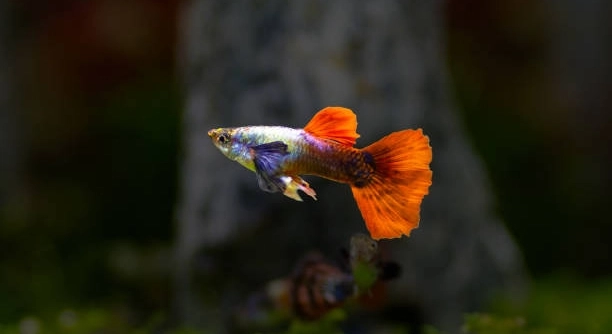
Guppies are lively little fish, but their tendency to escape can be a challenge for many aquarium owners. A few simple steps can prevent these curious swimmers from making their way out of their tank.
To keep guppies from escaping, ensure your aquarium has a secure lid or cover. Also, check for any gaps along the edges. A well-fitting lid will prevent them from jumping or slipping out, keeping your guppies safe.
Taking these measures will reduce the risk of escapes and keep your guppies secure in their aquatic home.
Secure Your Aquarium Lid
The best way to prevent your guppies from escaping is by securing the top of your aquarium. A tight-fitting lid or mesh cover is essential to keep them inside. Guppies can be surprisingly agile and will attempt to jump or squeeze through any small opening. If the lid is not properly in place, it leaves room for them to find an escape route. Glass, acrylic, or mesh covers are all viable options, but make sure the cover is sturdy enough to withstand any pressure they apply.
Ensure there are no gaps between the lid and the aquarium’s rim. Even a small opening can give your guppy enough space to escape. Additionally, check the lid regularly for wear and tear. Over time, the lid may lose its snug fit, increasing the chances of an escape. By making sure the top of the tank is well secured, you protect your guppies from unnecessary risks.
Maintain Tank Water Quality
The water quality in your aquarium is crucial for guppy health. Poor water conditions can stress your fish, and they may try to escape in search of better environments. Ensure the water is clean, with the right pH, ammonia levels, and temperature. Regular water changes help maintain these conditions. Adding a filter will also improve water circulation and keep it fresh.
Check for Gaps and Cracks
Even small gaps around the edges of your aquarium can be an escape route for your guppies. Check all corners, seams, and fittings regularly. Guppies can be surprisingly persistent in finding ways out.
Inspect your aquarium carefully for any signs of cracks or damage. Over time, tanks can develop small imperfections that go unnoticed. If a crack is discovered, repair it promptly with a suitable sealant to prevent further damage. Also, check the lid’s edges for any potential openings. Even the tiniest crack can be a gateway for your guppies. Preventing these small issues from becoming bigger ones is key to maintaining a secure environment.
When inspecting the tank, pay close attention to where the glass or acrylic meets the frame. Gaps here, even if barely visible, can let guppies escape. If you have a mesh or screen lid, ensure it fits tightly against the tank. If any areas seem loose, adjust or replace them immediately. Keeping a careful eye on your tank’s integrity will ensure your guppies stay safe inside.
Proper Tank Size for Guppies
Guppies thrive in larger tanks, where they have ample space to swim and explore. A cramped tank can lead to stress, and guppies may try to escape in search of more room.
Providing enough space for your guppies is essential to their well-being. A tank that is too small will not only cause stress but can also lead to health issues. A 10-gallon tank is a good size for a small group of guppies. Larger tanks give them more freedom to swim, reducing the chances of them becoming agitated or attempting to escape.
In addition to space, keep in mind that guppies are active swimmers. A larger tank allows for proper water flow and filtration, which keeps the water cleaner and helps maintain a stable environment. A larger tank will also accommodate plants and decorations, which provide hiding spots and enrichment. All these factors contribute to your guppies’ overall happiness, reducing the likelihood of escape attempts.
Use Tank Covers with Secure Fittings
Using a tank cover with secure fittings is essential to prevent guppies from escaping. Make sure the cover fits snugly over the aquarium without gaps.
Tank covers with adjustable fittings ensure a tighter seal and reduce the risk of guppies finding an escape route. If the cover does not fit well, guppies may attempt to jump out. Choose a cover that matches your tank size for optimal security.
Install a Barrier or Netting
Installing a barrier or netting over your tank can help keep guppies inside. Mesh nets work well, especially for tanks that house small fish.
A fine mesh net prevents guppies from leaping out while allowing airflow. It is easy to install and remove for cleaning purposes. Just ensure the net is tightly secured to avoid any gaps where fish could escape.
FAQ
Why do my guppies keep trying to escape?
Guppies may attempt to escape due to stress or discomfort in their environment. Poor water quality, insufficient space, or high temperatures can cause them to feel unsafe. Additionally, they are curious by nature, and if they find an opening, they may take the chance to explore. Ensuring a stable environment with clean water, proper tank size, and secure fittings will help reduce this behavior.
How can I tell if my tank is too small for guppies?
A tank that is too small for your guppies can cause stress, which leads to erratic behavior and potential escape attempts. Generally, a 10-gallon tank is recommended for a small group of guppies. If your fish appear to be overcrowded, showing signs of stress, or are frequently swimming near the top of the tank, it may be a sign that the space is too cramped. Larger tanks offer more stability in water conditions and allow guppies to swim freely.
Can guppies live with other fish?
Yes, guppies can live with many other species of fish, but care should be taken when choosing tankmates. Avoid aggressive fish that might stress out or harm your guppies. Peaceful community fish, such as tetras or mollies, generally make good companions. Always ensure the tank size is appropriate for the number of fish to reduce the chance of stress.
Do guppies need a heater in their tank?
Yes, guppies prefer warm water, typically between 72-82°F (22-28°C). A stable temperature is essential for their health and activity levels. Without a heater, the water temperature can fluctuate too much, stressing the guppies and potentially causing them to jump out. A reliable aquarium heater will help maintain a consistent environment.
How often should I clean my guppy tank?
You should clean your guppy tank regularly to maintain water quality. A 25-30% water change every week is ideal for most tanks. Additionally, filter maintenance should be done monthly, and substrate cleaning is also necessary to prevent waste buildup. Regular cleaning prevents harmful ammonia and nitrate levels from rising, ensuring a healthy environment for your fish.
What type of lid is best for my guppy tank?
The best lid for your guppy tank is one that fits securely and covers the entire tank. A glass or acrylic lid works well as it is solid and easy to clean. Mesh covers also work but must be tightly secured to prevent escape. Ensure the lid is designed to allow proper airflow to avoid suffocating the fish.
Can I use a plastic mesh to cover the tank?
Plastic mesh can be a great option for covering a tank, as it allows for airflow while keeping the guppies inside. However, it must be secure enough to prevent the fish from pushing it open. Choose a mesh with small holes to ensure the guppies can’t slip through. Also, check it regularly for any signs of wear or tear.
How do I stop my guppy from jumping out of the tank?
To stop your guppy from jumping out, ensure that the tank is covered with a secure lid. The lid should fit tightly and leave no gaps. It’s also important to maintain proper water conditions, as poor water quality can lead to stress and increase the likelihood of jumping. Providing plenty of plants and decorations inside the tank can also create hiding spots, making the fish feel more secure.
Why do my guppies keep swimming near the top of the tank?
Guppies swimming near the top of the tank can indicate several things. It could be a sign that they are seeking oxygen or that the water quality is poor. Ensure the water is well-filtered and oxygenated. Also, check for high levels of ammonia or nitrate, as poor water conditions can cause this behavior. If your guppies are in a small tank, overcrowding could also lead to this issue.
How can I reduce stress in my guppy tank?
To reduce stress in your guppy tank, maintain clean water, a stable temperature, and an appropriately sized tank. Overcrowding should be avoided, as it can cause tension among the fish. Adding plants, hiding spots, and soft substrate can create a more natural environment. Additionally, avoid sudden changes in water temperature or conditions, as these can stress your guppies. Keep the tank in a quiet, low-traffic area to prevent startling them.
Do I need a filter for my guppy tank?
Yes, a filter is essential for maintaining clean water in your guppy tank. It helps remove excess waste, debris, and toxins like ammonia and nitrates. Without a filter, water conditions can quickly deteriorate, leading to unhealthy fish and potential escape attempts. Choose a filter with a gentle flow, as strong currents can stress guppies, especially if the tank is small.
Final Thoughts
Ensuring that your guppies remain in the tank requires proper care and attention to their environment. The main factors that prevent them from escaping include securing the tank lid, maintaining clean water, and providing enough space. A secure lid is essential as it keeps your fish safe from jumping out. Whether you use a glass, acrylic, or mesh cover, ensure it fits tightly to avoid any gaps. The right size tank will also reduce stress and make the environment more comfortable for your guppies. If the tank is too small, they may feel confined and seek an escape.
Water quality is another critical factor. Guppies are sensitive to changes in their environment, and poor water conditions can lead to stress. Regular water changes, proper filtration, and monitoring the temperature are all necessary steps to keep the tank’s water in good condition. Stress from dirty water or fluctuating temperatures can cause guppies to act erratically and may increase their chances of trying to escape. Maintaining a stable, clean environment is crucial to your fish’s health and well-being.
Lastly, paying attention to small details like checking for cracks, installing barriers, and ensuring your guppies’ tank mates are peaceful will help keep your fish safe inside the tank. Guppies can sometimes get curious and try to jump, but with the right setup, they can live happily and safely. Regular checks on the tank’s condition and the fish’s behavior will help you catch potential problems early. Proper care and attention to these details will allow your guppies to thrive in a secure and stable environment.

Hello,
If you enjoy the content that we create, please consider saying a "Thank You!" by leaving a tip.
Every little bit helps us continue crafting quality advice that supports the health, happiness, and well-being of pets around the world, for pets of all shapes, sizes, and species.
We really appreciate the kindness and support that you show us!