
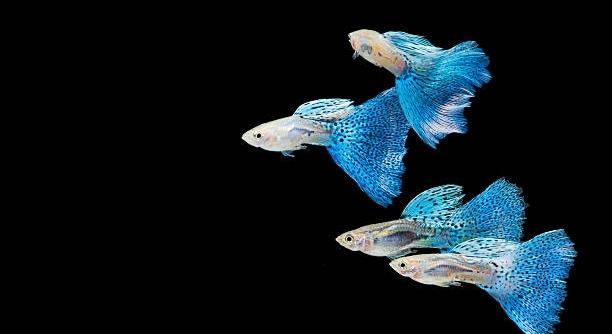
Are your guppies swimming less than usual or spending too much time near the bottom of the tank? A healthy guppy should be active, playful, and responsive to its environment every day.
The best way to keep guppies active and healthy is by maintaining proper water conditions, offering a balanced diet, and providing enrichment like plants and tank mates. These elements support their physical health and reduce stress-related behavior.
From water quality tips to feeding habits and tank setup ideas, this article covers simple and effective ways to support your guppies’ well-being.
Keep the Water Clean and Balanced
Clean water is the most important part of guppy care. Without it, guppies can get sick or stop being active. You’ll need a filter, regular water changes, and a good water testing kit. Guppies like water with a temperature between 74°F and 82°F, a pH between 6.8 and 7.8, and no traces of ammonia or nitrite. Dirty water makes them sluggish and weak. Changing about 25% of the tank water once a week helps maintain stability. Don’t forget to treat tap water with a water conditioner to remove chlorine and other harmful chemicals before adding it.
A clean tank keeps your guppies energetic and less likely to develop stress or disease. Their colors may also appear brighter in healthy water conditions.
Try keeping a notebook or using an app to track water tests. Staying consistent makes a big difference. Avoid skipping water changes or letting the tank become cloudy. A healthy tank is easier to maintain when you stay ahead of issues. If you notice any changes in behavior or appearance, test the water first. Often, the problem starts there. Clean water helps them swim, eat, and interact more naturally, which is exactly what you want to see in a thriving guppy tank.
Feed a Balanced and Varied Diet
Feeding guppies the same food every day can limit their health. Mix it up with flakes, live or frozen food, and vegetables.
A proper diet helps with growth, color, energy, and disease resistance. Guppies are not picky, but they do best with variety. High-quality flakes are fine for daily feeding, but adding in daphnia, brine shrimp, or bloodworms gives them extra protein and excitement. These treats shouldn’t be more than twice a week. Peas (shelled and boiled) can help with digestion. Feed small amounts they can finish in about two minutes, once or twice a day. Overfeeding can cloud the water and lead to health issues. It’s better to underfeed slightly than to overdo it.
If your guppies seem bored, sluggish, or less colorful, it might be time to switch things up. A rotating diet gives them different nutrients and helps prevent constipation or bloating. Mixing food types also mimics the way they eat in nature.
Provide Enough Space to Swim
Guppies need room to swim freely. A tank that’s too small can stress them out and limit their movement. A 10-gallon tank is a good starting point for a small group. More space helps them stay active and interact naturally.
When guppies don’t have enough space, they can become territorial or withdrawn. Overcrowding leads to poor water quality, which then affects their health. If you’re keeping multiple guppies, allow about one gallon per inch of fish. Include open areas in the tank for swimming, along with plants around the edges for shelter. Try not to overfill the tank with too many decorations. Guppies like space to chase each other and swim in groups. Watch how they move—if they stick to corners or fight often, it could be a sign they need more room. A well-sized tank encourages better behavior and supports long-term health.
Larger tanks also help with water stability. Water parameters stay more consistent in bigger tanks, which means fewer changes and less stress for your guppies. You’ll notice they swim more confidently and display brighter colors. If upgrading the tank isn’t possible, consider reducing the number of fish. Space plays a key role in keeping guppies healthy, especially if you want to add more fish later.
Add Plants and Decorations They Can Interact With
Guppies enjoy tanks with plants and gentle decorations. These give them hiding spots and areas to explore, which keeps them active and relaxed. Plants also help improve water quality by absorbing waste and providing oxygen.
Live plants like Java fern, Anubias, or hornwort are great options because they’re easy to care for and don’t need strong lighting. You can also mix in soft, fake plants if you prefer. Avoid sharp or rough decorations that might tear their fins. Spread things out in the tank to create areas where guppies can rest or swim through. Floating plants can also offer shade, which helps reduce stress. These additions make the tank feel more natural. A simple layout with a mix of open space and cover works best. Try rearranging the tank from time to time—it helps prevent boredom and encourages exploring.
Adding decorations also gives guppies a sense of territory, which can reduce chasing or nipping. Choose smooth rocks, driftwood, or caves that are safe and easy to clean. Think about how the layout affects movement—avoid blocking swimming paths or placing too many objects in one spot. A thoughtful setup helps your guppies stay curious, active, and more comfortable in their tank environment.
Keep the Temperature Stable
Guppies are sensitive to sudden changes in water temperature. Try to keep it between 74°F and 82°F at all times. A small heater with a built-in thermostat helps maintain consistency, especially during colder months or in rooms with fluctuating temperatures.
Use a reliable aquarium thermometer to monitor the tank daily. Avoid placing the tank near windows or vents, which can cause temperature swings. Sudden drops or spikes can weaken their immune system and affect their energy levels. Stable warmth keeps them active, encourages eating, and supports proper digestion and growth.
Limit Strong Currents
Strong water flow can exhaust guppies and push them around. Use a filter with adjustable flow settings, or add a sponge to reduce the current. They prefer gentle movement in the water and need calm spots where they can rest without being pushed. A slow current keeps stress levels lower.
Maintain a Regular Light Cycle
Keep the lights on for 8 to 10 hours a day to support their activity and natural rhythm. Too much or too little light can disrupt their behavior. A simple timer makes it easy to stay consistent and avoids stress from sudden light changes.
FAQ
How often should I feed my guppies?
Guppies should be fed once or twice a day, depending on their age and activity level. Each feeding should last no more than two minutes. If there’s leftover food sinking to the bottom, you’re probably feeding too much. Uneaten food can spoil the water and lead to health problems. It’s better to feed small amounts more often than large amounts at once. Adults can do well with once-a-day feeding, while young guppies might benefit from two smaller meals.
Can guppies live without a filter?
While it’s possible, it’s not ideal. A filter helps maintain water quality by removing waste and circulating oxygen. Without it, the tank would require daily water changes and more frequent cleaning. Guppies are hardy, but they still need stable water conditions to stay active and healthy. If you don’t use a filter, make sure you monitor ammonia and nitrite levels often. A sponge filter is a good, gentle option that works well in guppy tanks.
Why are my guppies not swimming much?
Low activity could be due to poor water quality, incorrect temperature, illness, or stress. Check the water parameters first, including ammonia, nitrite, and temperature. If those are fine, look at tank conditions—are there hiding spots, enough space, and proper lighting? Guppies are usually active swimmers, so something may be off if they’re hiding or staying still. Stress from aggressive tank mates can also be a cause.
Can guppies get bored?
Yes, guppies can lose interest in their environment if it doesn’t change or stimulate them. Adding live plants, switching up decorations, or rearranging items in the tank can give them something new to explore. Also, offering different types of food adds variety to their day. Just like any pet, stimulation helps keep them alert and happy.
How many guppies should be kept together?
Guppies do best in groups. A good rule is at least three, with more females than males if you’re mixing sexes. A 2:1 ratio of females to males helps reduce stress from too much chasing. The more guppies you add, the larger the tank should be. Overcrowding leads to water problems and fighting. Guppies are social, so having a few tank mates usually helps them stay more active.
Do guppies need an air pump?
Not always. If your filter provides enough surface movement, it may be enough to keep the water oxygenated. But in tanks with little movement or during warmer months when oxygen levels drop, an air pump can help. Bubbles from the air pump don’t directly add oxygen, but they help circulate the water, which improves oxygen exchange at the surface.
Why do my guppies stay near the surface?
They might be doing this because of low oxygen levels, poor water quality, or high ammonia. Guppies going to the surface often is a sign they’re not getting enough air. Check the water with a test kit and make sure there’s good surface movement. If the water looks cloudy or has a smell, it’s time for a water change. Also, make sure the tank isn’t too warm, as warmer water holds less oxygen.
Is it normal for guppies to chase each other?
A little chasing is normal and often related to mating or play. But if one guppy is being too aggressive, it may lead to stress or fin damage. This can happen if there are too many males, not enough space, or no hiding spots. Keeping a balanced group and adding plants or decorations can reduce unwanted chasing. Watch their behavior over a few days to see if it settles down.
Final Thoughts
Keeping guppies active and healthy doesn’t have to be difficult. It just takes some simple steps and regular care. Clean water, proper feeding, space to swim, and a stable environment are the most important things to focus on. When these needs are met, guppies usually stay active, colorful, and full of energy. They’re small fish, but they still rely on you to create a safe and balanced home for them. If they seem slow or not behaving normally, something in their setup might need to be checked. The sooner you notice changes, the easier it is to fix them.
Paying attention to their behavior and environment helps you catch small problems before they become serious. A healthy guppy will swim around, explore its tank, and interact with other fish. When water gets dirty, the temperature changes too much, or food is not varied enough, guppies might stop moving as much. These little signs are their way of telling you that something’s off. Adding live plants, gentle decorations, and feeding a mix of foods also adds to their quality of life. Guppies are more fun to watch when they’re active, and they tend to live longer when well cared for.
Consistency is key. Make a simple routine for feeding and tank care so it becomes part of your day. Using timers, notes, or even simple reminders can help keep you on track. You don’t need a large tank full of expensive gear—just the basics done well. Keeping things clean and stable goes a long way. Guppies are a joy to care for when they’re healthy and swimming around comfortably. Watching them thrive is often a sign that you’re doing something right. Whether you’re just getting started or already have guppies, small improvements can make a big difference.

Hello,
If you enjoy the content that we create, please consider saying a "Thank You!" by leaving a tip.
Every little bit helps us continue crafting quality advice that supports the health, happiness, and well-being of pets around the world, for pets of all shapes, sizes, and species.
We really appreciate the kindness and support that you show us!