
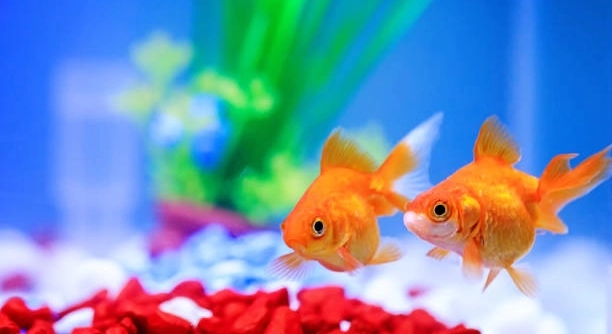
Is your goldfish tank water getting cloudy or smelling unpleasant? Stagnant water can create an unhealthy environment, leading to stress and sickness for your fish. Keeping the water clean and fresh is essential for their overall health and well-being.
The best way to prevent goldfish water from becoming stagnant is by ensuring proper filtration, regular water changes, and adequate aeration. These methods help maintain oxygen levels, remove waste buildup, and promote a stable environment that supports your goldfish’s long-term health.
Maintaining a clean tank does not have to be difficult. Simple adjustments to your routine can make a big difference in water quality, ensuring your goldfish remain active and thrive in their aquatic home.
Use a Reliable Filter
A good filter helps keep your goldfish tank clean by removing waste and debris. Goldfish produce a lot of waste, which can lead to dirty water if not managed properly. A filter provides mechanical, chemical, and biological filtration, ensuring the water stays clear and safe. Choose a filter that matches the size of your tank and has a strong enough flow to keep water circulating. Regularly clean or replace the filter media to prevent clogs and ensure it functions effectively. A properly maintained filter is one of the easiest ways to prevent water from becoming stagnant.
Filters should run continuously to maintain water quality. Turning them off for long periods can lead to a buildup of harmful substances. If you notice weak water flow or dirty filter media, it’s time for maintenance. Keeping up with filter care makes a noticeable difference in the clarity and freshness of the water.
In addition to using a filter, avoid overfeeding your goldfish. Excess food can decay and contribute to poor water conditions. Stick to small, measured feedings to minimize waste. Also, consider adding live plants to your tank. They naturally help with water quality by absorbing nitrates and providing oxygen, further supporting a cleaner and healthier environment for your goldfish.
Change the Water Regularly
Goldfish tanks need regular water changes to stay fresh. Over time, waste, uneaten food, and other debris can cause poor water quality. Replacing a portion of the water each week helps remove these substances and prevents stagnation.
Aim to change about 20–30% of the water once a week. Use a gravel vacuum to remove debris from the bottom of the tank. Always treat tap water with a water conditioner before adding it to the tank. This removes harmful chemicals like chlorine, which can harm your goldfish. Consistent water changes keep ammonia and nitrate levels under control, reducing stress on your fish.
If the tank water looks cloudy or smells bad, you may need to increase the frequency of water changes. Larger tanks tend to stay more stable, while smaller tanks require more frequent maintenance. Keeping a schedule makes it easier to maintain a balanced environment. Clean water keeps your goldfish active and healthy.
Improve Water Circulation
Stagnant water can be prevented by improving circulation in the tank. A well-circulated tank ensures oxygen reaches all areas, keeping the water fresh. Using an air pump, sponge filter, or powerhead helps move water around and prevents dead spots from forming.
Adding an air stone is an easy way to improve circulation. It releases small bubbles, increasing oxygen levels and gently stirring the water. Placing decorations and plants strategically also helps. Avoid overcrowding the tank with too many objects, as this can block water flow. Ensuring your filter’s output reaches different areas of the tank can further improve circulation, preventing stagnant pockets.
A larger tank naturally circulates water better than a small one. If your tank is on the smaller side, consider upgrading to a bigger size. Bigger tanks hold more water and take longer to become dirty, making them easier to maintain. Combining an efficient filter, an air stone, and an appropriately sized tank can greatly reduce the risk of stagnant water.
Avoid Overcrowding
Too many fish in one tank leads to poor water quality. Goldfish need space to swim and produce a lot of waste, which can quickly build up in a crowded tank. Keeping the right number of fish prevents excessive waste and helps maintain a healthy environment.
Each goldfish needs at least 20 gallons of water. More fish require a larger tank to ensure they have enough space. Overcrowding can cause stress, reduce oxygen levels, and increase the amount of uneaten food and waste in the tank. If you notice your goldfish gasping at the surface or acting sluggish, the tank may be overstocked. Reducing the number of fish can immediately improve water conditions.
Choosing the right tank size from the beginning makes maintenance easier. If upgrading is not an option, focus on frequent water changes and efficient filtration. A well-maintained tank with the right number of fish will have cleaner water and healthier goldfish.
Add Live Plants
Live plants help keep the water clean by absorbing waste and releasing oxygen. They reduce the buildup of harmful substances and create a more natural environment for goldfish. Choose hardy plants like anubias, java fern, or hornwort, which can thrive in goldfish tanks without requiring much maintenance.
Plants also prevent algae growth by competing for nutrients in the water. Less algae means clearer water and a healthier tank overall. Regularly trim plants to keep them from overcrowding the space. Combining live plants with proper filtration and water changes makes it easier to maintain a stable environment.
Keep Uneaten Food to a Minimum
Goldfish food that sits at the bottom of the tank can decay quickly, leading to poor water quality. Feed only as much as your fish can eat within two minutes. Removing uneaten food after feeding helps prevent waste buildup and keeps the water from becoming stagnant.
Clean the Gravel Regularly
Debris, uneaten food, and waste settle into the gravel over time. Using a gravel vacuum once a week removes trapped dirt and prevents harmful substances from accumulating. Regular cleaning helps maintain a stable environment and reduces the risk of water becoming cloudy or unpleasant.
FAQ
How often should I clean my goldfish tank?
A partial water change should be done once a week, replacing 20–30% of the water. The filter should be cleaned once a month, and the gravel should be vacuumed weekly. A full tank cleaning is rarely needed unless there is a major water quality issue.
Can I use tap water for my goldfish?
Yes, but it must be treated with a water conditioner before adding it to the tank. Tap water contains chlorine and other chemicals that can harm goldfish. A good conditioner removes these harmful substances, making the water safe for your fish.
Why does my goldfish tank smell bad?
A bad smell usually means waste and uneaten food are building up in the tank. Regular water changes, proper filtration, and removing leftover food help prevent this. If the smell persists, check the filter and gravel for hidden debris that may need to be cleaned.
What type of filter is best for a goldfish tank?
A powerful filter with mechanical, chemical, and biological filtration is best. Goldfish produce a lot of waste, so a filter rated for a larger tank is ideal. Canister filters and hang-on-back filters are great choices because they provide strong filtration and good water circulation.
Do goldfish need an air pump?
An air pump is not always necessary, but it helps increase oxygen levels and improve water circulation. If your tank has low oxygen levels or poor circulation, an air pump with an air stone can be a great addition. Filters with strong water movement may provide enough oxygen on their own.
How do I prevent algae from taking over my tank?
Keeping the tank out of direct sunlight, limiting excess nutrients, and adding live plants can help control algae growth. Avoid overfeeding, as extra food can fuel algae. Regular water changes and cleaning decorations prevent algae from spreading too much. If algae become a big problem, a tank-safe algae scraper can help.
Why is my goldfish always at the surface?
Goldfish may stay near the surface due to low oxygen levels, poor water quality, or illness. Check the water parameters and ensure proper filtration and aeration. If the water tests normal, your goldfish may need a bigger tank or more frequent water changes to stay comfortable.
Can goldfish live without a filter?
Goldfish can survive without a filter, but it is not recommended. Without a filter, water quality declines quickly, leading to ammonia buildup and poor oxygen levels. If a filter is not an option, frequent water changes and live plants are necessary to help maintain a stable environment.
How do I know if my goldfish tank is too crowded?
If your fish seem stressed, frequently gasp for air, or the water gets dirty too fast, the tank may be overcrowded. Each goldfish needs at least 20 gallons of space. Overcrowding leads to poor water conditions, so reducing the number of fish or upgrading to a larger tank is important.
What temperature should my goldfish tank be?
Goldfish prefer temperatures between 65–75°F (18–24°C). Sudden temperature changes can stress them, so avoid placing the tank near heaters or air vents. If the temperature fluctuates often, using an aquarium thermometer can help you monitor it and keep conditions stable.
Final Thoughts
Keeping your goldfish tank clean and free from stagnant water is essential for their health. Simple steps like using a reliable filter, changing the water regularly, and improving circulation make a big difference. Live plants and proper feeding habits also help maintain a balanced environment. Goldfish produce a lot of waste, so staying consistent with maintenance prevents water from becoming cloudy or unpleasant. A well-maintained tank keeps your fish active and stress-free.
Understanding how to care for your goldfish’s water quality makes the process easier. Avoiding overcrowding, cleaning the gravel, and removing uneaten food all contribute to a cleaner tank. If you notice issues like bad smells, algae growth, or fish gasping at the surface, small adjustments can quickly improve conditions. Regular monitoring of water parameters ensures your goldfish stay in a healthy and stable environment. Paying attention to these details reduces long-term problems.
Taking care of a goldfish tank does not have to be difficult. Following simple routines helps keep the water fresh and safe. A clean tank not only benefits your goldfish but also makes it easier to enjoy watching them swim and explore. With the right approach, maintaining clear, healthy water becomes a natural part of goldfish care.

Hello,
If you enjoy the content that we create, please consider saying a "Thank You!" by leaving a tip.
Every little bit helps us continue crafting quality advice that supports the health, happiness, and well-being of pets around the world, for pets of all shapes, sizes, and species.
We really appreciate the kindness and support that you show us!