
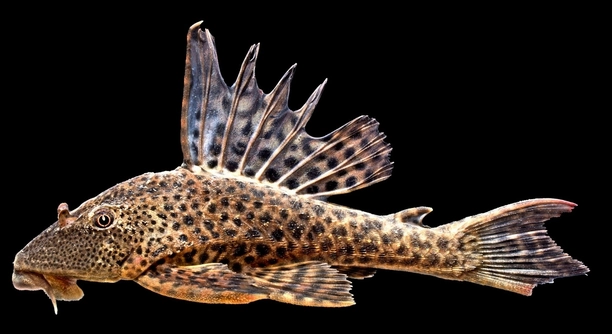
Do your plecos often swim around dull or dirty driftwood, making your aquarium look less clean than you’d like?
Keeping driftwood clean for plecos involves regular rinsing, gentle scrubbing, and soaking. These methods help prevent algae buildup, reduce tannin release, and maintain a healthy tank environment without harming your fish or disrupting their natural habitat.
Knowing the right ways to care for your driftwood makes a difference in your tank’s appearance and your plecos’ comfort.
Soak the Driftwood Before Placing It in the Tank
Soaking driftwood before adding it to your pleco tank helps reduce tannins and makes the wood waterlogged so it doesn’t float. Use a clean container filled with water—preferably dechlorinated—and fully submerge the driftwood for at least one to two weeks. Change the water every few days to speed up the process and remove dark stains caused by tannins. This will not only improve the appearance of your aquarium but also help your plecos adapt more easily to their environment. Soaking also helps to eliminate any loose dirt or small particles trapped in the wood.
This step is simple but very effective for keeping your tank clearer and safer for plecos.
Patience during soaking really pays off. You may notice the water turning tea-colored, which is normal. If your plecos prefer a darker tank, you can soak for a shorter time. Otherwise, wait until the water stays mostly clear before placing it in the aquarium.
Scrub Off Loose Debris and Algae
Scrubbing driftwood helps remove visible buildup that could affect water quality or your pleco’s comfort.
Use a soft-bristled brush or old toothbrush to scrub the surface of the driftwood under running water. Avoid using soap or any chemical cleaner. Focus on spots with algae, dirt, or loose bark. Scrubbing should be gentle so the wood’s surface isn’t damaged. If the driftwood has deep grooves, take your time and get into those areas as well. After scrubbing, rinse it thoroughly to wash off any dislodged particles. You can repeat this process every few weeks depending on how quickly buildup appears in your tank.
Your plecos will appreciate a cleaner surface to graze on. This step also helps maintain the overall look of your aquarium. Keeping algae under control will reduce unwanted color changes in the water and improve visibility. Regular cleaning doesn’t take long and can make a big difference.
Boil the Driftwood if Needed
Boiling driftwood helps to sterilize it and speed up the release of tannins. It also softens the wood, making it sink faster. This step is especially helpful for smaller pieces that fit easily in a pot.
Place the driftwood in a large pot and cover it fully with water. Bring it to a boil and let it simmer for one to two hours. If the water becomes very dark, replace it and continue boiling. This helps to draw out more tannins and kill any unwanted bacteria or parasites. After boiling, allow the driftwood to cool completely before adding it to your tank. This method is best used when you want fast results or when your wood has a strong odor.
Boiling is optional but worth considering if your driftwood keeps floating or discoloring the tank water too much. It’s not always necessary for larger pieces, but it can be helpful when you want to give your plecos a cleaner, safer space more quickly. Just be sure the pot is used only for aquarium purposes afterward to avoid any chemical transfer into future cooking. Safety is always important, both for your fish and your home.
Remove Mold or White Fuzz
White fuzz on driftwood is common in new tanks and not usually harmful. It’s a fungus-like substance that grows during the early stages of soaking or submersion. Plecos may nibble on it, but it’s still good to keep it under control.
To remove it, use a clean soft brush to gently scrub the affected areas. You can also siphon out loose bits during water changes. Over time, the fuzz usually disappears on its own as the tank stabilizes. Keeping the water clean and avoiding overfeeding will help reduce the chance of regrowth. Some aquarists choose to boil the driftwood again or remove it temporarily to clean off the fuzz more thoroughly. Regular observation helps you catch this early and deal with it before it spreads too much. It’s a normal part of the tank maturing, especially with natural wood.
Avoid Chemical Cleaners
Using soap or chemical cleaners on driftwood can leave behind harmful residues. These residues may be toxic to plecos and other fish in your tank. Stick to clean water and gentle tools like brushes or sponges when cleaning driftwood.
Even a small amount of chemical cleaner can impact your aquarium’s balance. It’s safer to keep all cleaning products far away from anything going into your tank. Natural cleaning methods are more than enough to keep your driftwood looking and functioning well.
Clean Around the Driftwood During Tank Maintenance
When doing water changes or regular tank maintenance, take time to clean the gravel or sand around the driftwood. Uneaten food and waste often collect in these spots. Use a gravel vacuum to remove debris without disturbing your plecos too much. This helps keep the tank cleaner and prevents bad odors.
Replace Driftwood If It Starts Breaking Apart
Old driftwood can become too soft or start crumbling over time. If pieces begin to break off or it smells strongly even after cleaning, it may be time to replace it. This keeps your tank safe and your plecos comfortable.
FAQ
Can I use any type of driftwood for plecos?
Not all types of wood are safe for plecos. Stick to hardwoods like Malaysian driftwood, mopani, or spider wood. Softwoods tend to rot quickly and release sap, which can harm your tank. Make sure the piece is aquarium-safe and untreated. If you’re unsure, buy driftwood from a trusted aquarium store. Found wood can work, but it must be properly cleaned, soaked, and boiled to remove pests and harmful substances.
How often should I clean the driftwood?
You don’t need to clean driftwood too often unless there’s visible buildup. Once every few weeks is usually enough. During water changes, you can inspect it for algae, fungus, or soft spots. If it looks dirty or you see mold or fuzz, give it a gentle scrub. Cleaning too often isn’t needed and might remove beneficial biofilm plecos like to graze on.
What if the driftwood makes my tank water brown?
That brown color comes from tannins released by the wood. Tannins are not harmful and can even lower the pH slightly, which some fish—including plecos—prefer. If the color bothers you, pre-soak or boil the wood before adding it. Using activated carbon in your filter can also help clear up the water over time.
Can I clean driftwood with vinegar or bleach?
It’s best to avoid vinegar and bleach, even in diluted amounts. These chemicals can soak into the wood and later leach into the water, which may harm your plecos. Stick to boiling, scrubbing, and soaking with plain water. If you already used chemicals, rinse and soak the driftwood for several days with frequent water changes before placing it in your tank.
Why does my driftwood grow white fuzz?
White fuzz is very common on new driftwood and is usually a fungus or harmless biofilm. It can appear a few days or weeks after adding the wood. Plecos may eat it, but it’s still okay to clean it off gently. Most of the time, the fuzz disappears on its own once the tank matures.
Does driftwood affect my water parameters?
Yes, it can lower the pH slightly due to tannins. This is usually not a problem and can actually benefit fish like plecos who prefer softer, more acidic water. However, monitor your water regularly to make sure the changes aren’t too extreme. If your tank has very hard water, the effect may be minimal.
Can driftwood rot in the tank?
Over time, even hardwoods will break down. If you notice soft areas, strange smells, or cloudy water after handling the wood, it might be starting to rot. Replace it if it crumbles easily or begins affecting water quality. Rotting wood can lead to ammonia spikes and cloudy water.
How do I know if a piece of driftwood is too large?
Make sure the driftwood fits comfortably in your tank without blocking flow or making cleaning difficult. Your plecos should be able to swim around and under it easily. Large pieces should still be fully soaked so they sink and don’t shift around, which could hurt fish or damage the glass.
Do plecos really need driftwood?
Yes, driftwood is important for many types of plecos. Some, like the common bristlenose, use it as a source of fiber by rasping on the surface. It also gives them shelter and places to rest. A tank without driftwood may leave plecos feeling stressed or bored.
Is pre-treated driftwood safe?
Driftwood sold for reptile enclosures is not always safe for aquariums. It might contain coatings or chemicals. Only use wood labeled as aquarium-safe. If it has a strong smell, looks glossy, or feels oily, avoid it. When in doubt, ask the seller or stick with untreated, natural options meant for aquariums.
Final Thoughts
Keeping driftwood clean for plecos does not have to be complicated. Simple steps like soaking, boiling, and scrubbing make a big difference in keeping the tank healthy and looking nice. These methods help reduce things like algae, white fuzz, and tannins that can change the color of the water. They also make the driftwood safer for your plecos. By taking a little time during tank maintenance to check and clean your driftwood, you help create a better space for your fish. It also helps avoid problems like bad smells, mold, or rotting wood in the tank.
Driftwood is not just for decoration—it serves a real purpose for plecos. Some plecos like to chew on the wood, using it as a natural source of fiber. Others use it as a hiding spot or a place to rest. Clean driftwood helps support both their physical health and comfort. While some changes in the water are normal when adding driftwood, like slight color shifts or pH drops, they are usually safe when the wood is prepared properly. Avoiding harsh cleaners or unknown wood types also helps prevent health problems for your fish. It’s all about using natural, gentle care to keep your tank in balance.
Over time, you may need to replace driftwood that becomes too soft or starts falling apart. This is a normal part of keeping a natural-looking tank. Watching for signs like cracking or pieces breaking off can help you know when it’s time. Even with a little upkeep, driftwood stays useful for a long time. Whether you’re just starting out or have kept plecos for years, keeping their driftwood clean is an easy way to make their environment more stable and enjoyable. With just a few good habits, your plecos will have a cleaner, safer space to explore, rest, and feed in.

Hello,
If you enjoy the content that we create, please consider saying a "Thank You!" by leaving a tip.
Every little bit helps us continue crafting quality advice that supports the health, happiness, and well-being of pets around the world, for pets of all shapes, sizes, and species.
We really appreciate the kindness and support that you show us!