
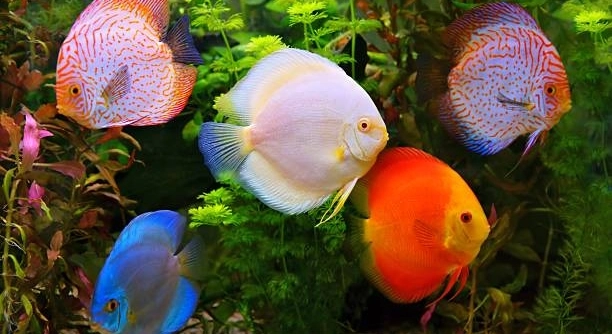
Keeping discus fish healthy over time takes attention and care. These vibrant fish need the right environment, diet, and regular maintenance to thrive. Many owners seek reliable methods to support their discus fish’s long-term well-being.
Maintaining optimal water quality, providing a balanced diet, ensuring stable tank conditions, and monitoring fish behavior are essential strategies for keeping discus fish healthy and preventing common illnesses. Consistency in care promotes longevity and vitality in these sensitive fish.
This article outlines practical steps to help your discus fish live a strong, healthy life. Understanding these basics can make all the difference in your aquarium’s success.
Keep Water Quality High
Water quality is the most important factor in keeping discus fish healthy. They are very sensitive to changes in their environment, so regular water testing is necessary. Ammonia, nitrite, and nitrate levels should always be low, with ammonia and nitrite at zero. Frequent water changes help maintain these safe levels and remove waste. It’s also important to keep the water temperature stable, ideally between 82°F and 86°F (28°C to 30°C). Use a good filter and clean it regularly, but avoid disturbing beneficial bacteria too much. Keeping the tank clean and free of leftover food or debris reduces stress for the fish and helps prevent disease. Good water conditions allow discus fish to show their natural colors and behavior, making them more vibrant and active.
Water quality directly impacts discus health. Clean, stable water reduces stress and risk of illness, helping fish thrive long term.
By focusing on water quality, you create a healthy base for your discus fish. This means they will be less prone to infections and more likely to grow strong. Monitoring parameters and doing routine water changes form the core of responsible care. Consistent water temperature prevents shock, which can weaken their immune systems. It also helps maintain their digestive health since discus fish are delicate eaters. Remember to cycle your tank properly before introducing fish to establish beneficial bacteria that break down harmful substances. Using water conditioners to remove chlorine and chloramine is essential. Overall, clean water sets the foundation for all other care steps to work effectively.
Provide a Balanced Diet
A balanced diet is essential for discus fish health. Feeding high-quality food with the right nutrients supports growth and immune function.
Discus fish need a mix of protein, vitamins, and minerals. You can offer frozen or live foods like bloodworms, brine shrimp, and high-quality pellets made for discus. Avoid overfeeding to prevent water pollution. Feed small amounts two to three times daily. Variety in their diet keeps them interested and helps meet all nutritional needs.
Feeding well improves color and energy. It also reduces the chance of digestive problems and disease. Watching how your fish eat can give clues to their health. If they stop eating or become picky, it might signal stress or illness. Making diet adjustments promptly can keep them strong and thriving.
Maintain Stable Tank Conditions
Discus fish need stable water conditions to stay healthy. Sudden changes in temperature or water chemistry cause stress and illness. Keeping the environment consistent helps them adapt and thrive.
A steady temperature between 82°F and 86°F is ideal for discus fish. Use a reliable heater and thermometer to monitor the tank. Avoid placing the aquarium near windows or vents where temperature can fluctuate. Also, keep pH levels stable around 6.0 to 7.0. Sudden shifts in pH or hardness can harm your fish. Regularly check water parameters to catch problems early. Stability reduces stress, supports immune function, and helps discus display their best colors.
Light cycles should also be consistent, with about 10 to 12 hours of light daily. Too much light can stress discus, while too little affects their natural rhythms. Maintain a regular feeding schedule to support their digestion and metabolism. All these factors work together to keep your discus comfortable and healthy over time.
Watch for Signs of Illness Early
Spotting illness early can save your discus fish from serious health issues. Look for changes in behavior, appetite, or appearance.
Common signs include faded colors, clamped fins, slow movement, or hiding more than usual. Loss of appetite or rapid breathing can also signal trouble. Sometimes small white spots or fuzzy patches indicate parasites or infections. If you notice any of these signs, test water quality first since poor water often causes stress-related illness. Quarantine sick fish to prevent spreading disease. Treat infections promptly with appropriate medication. Early intervention helps discus recover faster and reduces risks to the whole tank.
Regular observation and good tank hygiene minimize illness chances. Keeping a log of your fish’s behavior and condition can help you track health trends. Early detection is one of the best ways to ensure your discus remain strong and vibrant.
Regular Tank Maintenance
Regular tank maintenance keeps the environment safe and clean for discus fish. Removing waste and uneaten food prevents harmful buildup. A clean tank supports healthy fish and clear water.
Partial water changes of about 25% each week help maintain good water quality. Cleaning the substrate and decorations removes debris and algae. Avoid using harsh chemicals during cleaning to protect beneficial bacteria.
Choose Compatible Tank Mates
Not all fish get along with discus. Choose peaceful species that thrive in similar water conditions. Aggressive or fast-moving fish can stress discus and cause health problems.
Good tank mates include small tetras, corydoras catfish, and dwarf cichlids. Avoid fin-nipping or territorial fish that may harass discus. Compatibility helps reduce stress and promotes a calm aquarium environment.
Use Quality Filtration
A strong filtration system is essential to keep discus fish healthy. It removes waste, toxins, and debris from the water efficiently. Choose a filter that provides biological, mechanical, and chemical filtration.
Monitor Water Parameters Often
Regularly testing water parameters ensures the tank stays within safe ranges for discus fish. Consistent monitoring helps catch problems before they become serious.
FAQ
How often should I change the water in my discus tank?
Water changes are crucial for discus health. Ideally, change about 25% to 30% of the water weekly. This helps keep nitrate levels low and removes waste that builds up even with good filtration. More frequent changes might be needed if the tank is heavily stocked or if water quality drops. Always use treated water free of chlorine and chloramine. Avoid changing too much water at once, as sudden shifts can stress your fish.
What is the best temperature for discus fish?
Discus fish prefer warm water between 82°F and 86°F (28°C to 30°C). Keeping the temperature stable is just as important as hitting the right range. Sudden drops or spikes can cause stress and make discus vulnerable to disease. Using a quality aquarium heater with a reliable thermostat and a thermometer to monitor the tank daily helps maintain consistent warmth.
What should I feed my discus fish?
A varied diet is best for discus fish. High-quality pellets designed for discus are a good staple, supplemented with frozen or live foods like bloodworms, brine shrimp, and daphnia. These foods provide the protein and nutrients discus need to grow strong and maintain their bright colors. Avoid overfeeding to prevent water quality problems. Feed small amounts two to three times daily, only as much as they can eat in a few minutes.
How can I tell if my discus fish is sick?
Signs of illness include faded colors, clamped fins, loss of appetite, unusual swimming behavior, rapid breathing, and visible spots or patches on the body. If you notice any of these symptoms, check water quality immediately since poor water is often the cause. Quarantine the affected fish and consider treatment based on the symptoms. Early detection and action improve recovery chances.
Can discus fish live with other fish?
Yes, but tank mates must be chosen carefully. Discus are peaceful and sensitive, so avoid aggressive or fast-moving species. Suitable companions include small tetras, corydoras catfish, and dwarf cichlids that share similar water needs. Avoid fin-nippers or territorial fish that can stress discus. Compatibility helps keep your tank calm and your fish healthy.
How important is tank size for discus fish?
Tank size matters a lot for discus. These fish grow large and need plenty of swimming space. A minimum of 50 gallons is recommended for a small group of discus, with additional space needed for more fish. Larger tanks provide more stable water conditions and reduce stress. Overcrowding can lead to poor water quality and aggression.
What kind of filtration is best for discus tanks?
A filtration system that provides mechanical, biological, and chemical filtration works best. It should be powerful enough to handle the tank size but gentle enough to avoid strong currents, which can stress discus. Regular cleaning of the filter media is necessary to keep it effective without disrupting beneficial bacteria. Good filtration keeps water clean and safe.
How often should I test the water?
Testing water weekly is a good routine, especially for ammonia, nitrite, nitrate, pH, and temperature. Frequent checks help catch problems early before they affect your fish. Use reliable test kits and keep records of your results. Testing becomes even more important when you add new fish or make changes to the tank setup.
Why do discus fish lose their color?
Color loss is often a sign of stress, poor water quality, or illness. It can also happen if they are not getting a proper diet with enough nutrients. Make sure water parameters are stable and food is varied and nutritious. Sometimes, fish lose color temporarily during breeding or molting phases but should regain it with good care.
What should I do if my discus fish refuses to eat?
If your discus stops eating, first check water quality and tank conditions. Stress or illness may be the cause. Try offering a variety of foods, including live or frozen options, to tempt their appetite. Avoid overfeeding or sudden changes in diet. If the fish continues to refuse food for several days, consider consulting a vet or fish expert.
Final Thoughts
Taking care of discus fish requires patience and attention to detail. These fish are sensitive to changes in their environment, so maintaining stable water conditions is very important. Regular water testing, cleaning, and water changes help keep the tank healthy. Using the right equipment, such as a reliable heater and good filtration, also supports a balanced environment. When water quality is consistent, discus fish can stay healthy and show their beautiful colors for a long time. It’s important to watch for any changes in their behavior or appearance and respond quickly if something seems off.
Feeding discus fish properly is another key part of keeping them healthy. They need a varied diet that provides enough protein, vitamins, and minerals. Feeding high-quality pellets designed for discus along with frozen or live foods like bloodworms or brine shrimp helps meet their nutritional needs. Overfeeding can cause water problems, so giving small portions several times a day is best. Healthy fish are active, eat well, and have vibrant colors. Taking time to learn about their diet and adjusting feeding habits as needed can make a big difference.
Choosing compatible tank mates and performing regular tank maintenance are also important for the long-term well-being of discus fish. Avoid fish that are aggressive or fast-moving, as they can stress the discus. Keeping the tank clean by removing uneaten food and waste helps prevent disease and keeps the water clear. Paying close attention to your fish’s health and the tank environment creates a peaceful space where discus can thrive. With consistent care and proper attention, discus fish can live long, healthy lives, providing enjoyment and beauty in your aquarium.

Hello,
If you enjoy the content that we create, please consider saying a "Thank You!" by leaving a tip.
Every little bit helps us continue crafting quality advice that supports the health, happiness, and well-being of pets around the world, for pets of all shapes, sizes, and species.
We really appreciate the kindness and support that you show us!