
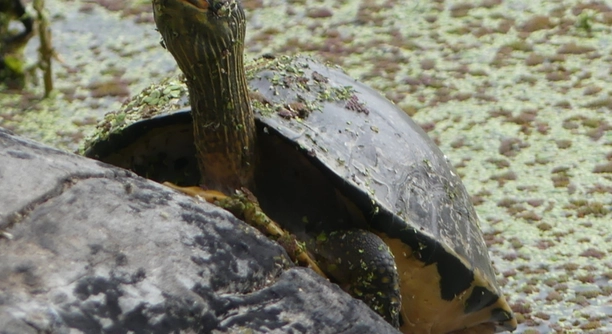
Is your Indian roofed tortoise’s shell looking dull or weak? A strong shell is essential for its overall health and protection, making it important to provide the right care, nutrition, and environment to keep it in top condition.
The best way to maintain a strong and healthy shell for an Indian roofed tortoise is by ensuring proper nutrition, sufficient UVB exposure, hydration, and a clean habitat. These factors help prevent shell deformities, softening, and infections that can compromise your tortoise’s well-being.
A well-maintained shell keeps your tortoise safe and comfortable throughout its life. From diet choices to lighting requirements, understanding these key elements will help ensure your tortoise stays happy and healthy.
Provide a Calcium-Rich Diet
A calcium-rich diet is essential for keeping your Indian roofed tortoise’s shell strong. Without enough calcium, the shell can become soft and weak, increasing the risk of deformities. Leafy greens like collard greens, dandelion greens, and mustard greens are great sources of calcium. You can also offer cuttlebone or calcium powder to ensure they get enough. Avoid feeding high-oxalate foods like spinach, as these can block calcium absorption. A balanced diet with proper supplementation will help maintain a strong and healthy shell. Consistency is key when it comes to providing the right nutrition.
Calcium should always be available to your tortoise. A deficiency can lead to metabolic bone disease, a serious condition that weakens the shell. Regularly adding calcium to their diet helps prevent this issue.
Feeding your tortoise a variety of calcium-rich foods will keep their shell strong. Be sure to provide fresh greens daily and supplement with calcium powder if needed.
Ensure Proper UVB Exposure
UVB light plays a crucial role in a tortoise’s health. It allows them to metabolize calcium properly, preventing shell softening and deformities. Without UVB exposure, your tortoise cannot absorb calcium efficiently, no matter how much is included in their diet.
A high-quality UVB bulb should be placed in their enclosure, ensuring it covers their basking area. The light should be on for 10–12 hours a day, mimicking natural sunlight. Replace UVB bulbs every six months, as they lose effectiveness over time. If possible, allow your tortoise to spend time outdoors in natural sunlight, which is the best source of UVB. However, avoid direct sun exposure for too long to prevent overheating.
When setting up UVB lighting, make sure the bulb is positioned correctly and is not blocked by glass or plastic, as this can filter out UVB rays. Regular exposure to proper lighting will keep your tortoise’s shell healthy and strong.
Keep the Shell Hydrated
A well-hydrated shell is less likely to become brittle or develop cracks. Regular soaks in shallow, lukewarm water help maintain hydration. Providing a humidity level of around 60–70% in their enclosure prevents excessive dryness, especially during colder months when indoor heating can lower humidity.
Soaking your tortoise two to three times a week for about 15–20 minutes helps maintain shell moisture. Using a shallow dish of water in the enclosure also allows them to self-hydrate when needed. Dry conditions can lead to flaky or brittle shells, so misting the habitat occasionally can help maintain proper humidity levels. Keeping the enclosure’s substrate slightly damp, but not wet, can also support shell health.
A dehydrated tortoise may show signs of a dull or rough shell. If you notice these symptoms, increasing their soaking routine and adjusting humidity can help. Ensuring proper hydration is a simple way to support shell strength and overall health.
Maintain a Clean Habitat
A dirty habitat can lead to bacterial and fungal infections, which can weaken your tortoise’s shell. Cleaning their enclosure regularly reduces the risk of harmful bacteria buildup. Remove uneaten food, change the water daily, and clean the substrate weekly to maintain a healthy environment.
A well-maintained habitat should have clean, dry areas for basking and slightly moist areas for hydration. Use a safe, natural substrate like cypress mulch or coconut coir that retains moisture without becoming too damp. Spot-cleaning daily and doing a deep clean every few weeks prevents waste buildup and odors. Keeping the habitat clean reduces the chance of shell rot, which can cause soft spots and infections.
Shell infections can be difficult to treat, so prevention is key. If you notice any discoloration, soft patches, or a foul odor coming from the shell, consult a reptile veterinarian immediately. Keeping their habitat clean ensures a healthier, happier tortoise.
Avoid Overhandling
Too much handling can stress your tortoise and affect its shell health. Frequent handling may cause small cracks or wear on the shell, especially if they are dropped or held improperly. Limit handling and always support their body fully when picking them up.
Rough surfaces can also damage the shell over time. Avoid placing your tortoise on hard or abrasive surfaces where they might scratch their shell. If handling is necessary, do so gently and for short periods to minimize stress and potential harm.
Provide a Balanced Diet
A varied diet with the right nutrients supports shell strength. Fresh vegetables, occasional fruits, and high-fiber foods like hay should be included. Protein should be minimal, as too much can lead to shell deformities. Calcium and vitamin supplements ensure they receive essential nutrients, preventing deficiencies that could weaken their shell over time.
Monitor for Shell Damage
Regularly check the shell for any cracks, discoloration, or soft spots. Catching issues early can prevent serious problems. If you notice anything unusual, adjust their diet, lighting, or humidity as needed. Severe damage should be evaluated by a reptile veterinarian to prevent infections or long-term harm.
FAQ
How often should I give my Indian roofed tortoise calcium supplements?
Calcium should be provided at least three to four times a week. Sprinkle a small amount of calcium powder without phosphorus on their food. If your tortoise is young or has signs of a weak shell, daily supplementation may be necessary. Too much calcium, however, can cause imbalances, so moderation is key.
Can I use regular light bulbs instead of a UVB lamp?
No, regular light bulbs do not emit UVB rays, which are essential for calcium absorption. Without UVB exposure, your tortoise’s shell can weaken over time. A high-quality UVB bulb designed for reptiles should be used and replaced every six months to maintain effectiveness.
How do I know if my tortoise’s shell is too dry?
A dry shell may appear flaky, rough, or have small cracks. If you notice these signs, increase humidity in the enclosure and soak your tortoise in shallow water a few times a week. Providing a humid hide with moist sphagnum moss can also help maintain proper hydration.
What should I do if my tortoise’s shell has a crack?
A minor crack can often heal with proper care, but deep or infected cracks require veterinary attention. Keep the shell clean, apply a reptile-safe antiseptic if needed, and ensure your tortoise has a proper diet and humidity level to support healing. Avoid handling them excessively during this time.
Can my tortoise get too much UVB exposure?
Yes, excessive UVB exposure can lead to eye irritation and dehydration. UVB lamps should be placed at the correct distance according to the manufacturer’s guidelines, and your tortoise should always have shaded areas to retreat to when needed. Outdoor exposure should be supervised to prevent overheating.
Is it normal for my tortoise’s shell to have white spots?
White spots can indicate hard water deposits, fungal infections, or shell damage. If the spots are rough, soft, or spreading, they could be a sign of shell rot and should be examined by a vet. If they are simply water stains, wiping the shell with a damp cloth can remove them.
How often should I soak my tortoise?
Adult tortoises should be soaked two to three times a week for about 15–20 minutes. Younger tortoises may require more frequent soaks to prevent dehydration. Soaking helps with hydration, digestion, and shell health, making it an important part of their care routine.
Can I use coconut oil or lotion on my tortoise’s shell?
No, applying oils or lotions can clog the pores of the shell and interfere with natural hydration. If the shell appears dry, focus on increasing humidity and hydration instead of applying external products. A proper diet and environment will naturally maintain shell health.
Why does my tortoise’s shell look bumpy?
Bumpy or uneven shell growth is usually caused by an imbalanced diet, excessive protein, or improper humidity levels. This condition, known as pyramiding, can be prevented by providing a proper diet, consistent UVB exposure, and a well-maintained habitat with the right humidity.
What temperature should my tortoise’s enclosure be?
The basking area should be around 90–95°F, while the cooler side of the enclosure should be between 75–80°F. At night, temperatures can drop slightly but should not fall below 70°F. Using a thermostat-controlled heat source helps maintain stable temperatures.
Can my tortoise’s shell heal if it has softened?
Yes, but it requires immediate care. Soft shells are often caused by calcium or UVB deficiencies. Increasing calcium intake, providing proper UVB exposure, and ensuring a balanced diet can help strengthen the shell over time. Severe cases should be treated by a veterinarian.
Why does my tortoise’s shell smell bad?
A foul odor may indicate a bacterial or fungal infection, especially if the shell is soft, discolored, or has visible damage. Clean the shell gently with a reptile-safe antiseptic and consult a vet if the smell persists, as infections can become serious if untreated.
Can my tortoise live outside?
Indian roofed tortoises can benefit from outdoor time in warm, humid climates, but they should have a secure, shaded enclosure to prevent overheating or predator attacks. Outdoor exposure should always be monitored to ensure they are safe and comfortable.
What should I do if my tortoise stops eating?
Loss of appetite can be caused by stress, improper temperatures, dehydration, or illness. Ensure their enclosure is at the correct temperature, provide fresh food, and monitor their behavior. If they refuse food for more than a few days, a vet visit may be necessary.
Final Thoughts
Caring for an Indian roofed tortoise requires attention to diet, lighting, hydration, and habitat cleanliness. A strong shell is essential for their overall health, and small adjustments in their care routine can make a big difference. Ensuring they receive enough calcium and UVB exposure will prevent shell softening and deformities. Keeping their habitat clean and properly humidified will reduce the risk of infections or dryness. By following these steps consistently, your tortoise will have the best chance of developing and maintaining a strong, healthy shell.
Regular monitoring is important to catch any issues early. A shell that looks dry, cracked, or bumpy may indicate an underlying problem with diet or environment. If you notice changes, adjusting their care routine can often resolve minor issues before they become serious. Routine health checks, including looking for discoloration, soft spots, or foul smells, will help keep your tortoise in good condition. If any concerns arise, consulting a reptile veterinarian is always the best course of action. Prevention is easier than treatment, so staying proactive with their care is key.
A well-maintained shell helps keep your tortoise protected and comfortable throughout its life. Small daily efforts, such as providing fresh food, maintaining proper humidity, and checking UVB bulbs, can have long-term benefits. With the right care, your tortoise can live a long, healthy life with a strong shell.

Hello,
If you enjoy the content that we create, please consider saying a "Thank You!" by leaving a tip.
Every little bit helps us continue crafting quality advice that supports the health, happiness, and well-being of pets around the world, for pets of all shapes, sizes, and species.
We really appreciate the kindness and support that you show us!