
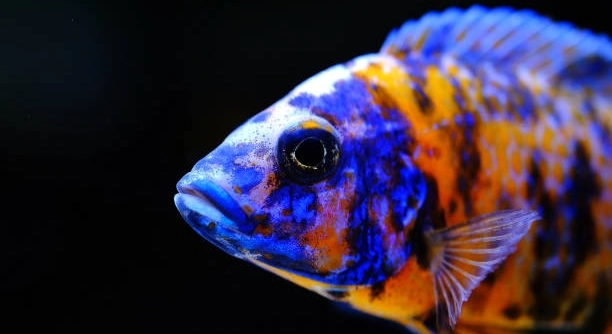
African cichlids are vibrant and active fish that thrive in well-maintained aquariums. Keeping them entertained is important for their health and behavior. Proper stimulation can prevent boredom and promote natural activity patterns in these colorful creatures.
Providing a variety of environmental enrichments such as plants, rocks, and hiding places encourages exploration and reduces stress in African cichlids. Interactive elements like feeding puzzles and changing tank layouts further stimulate their natural instincts and improve overall well-being.
These methods support the fish’s mental and physical health, helping maintain a balanced aquarium environment. Exploring different techniques can enhance your cichlids’ daily experience.
Creating Natural Hiding Spots
African cichlids feel more secure when their tank includes natural hiding spots. Rocks, caves, and dense plants offer places to retreat and reduce stress. These spaces mimic their natural habitat and encourage territorial behavior, which is important for their mental health. Without adequate shelter, cichlids may become aggressive or withdrawn. Using rocks to build caves or adding driftwood can create an interesting layout that also serves as a playground. Live plants like Anubias or Java ferns add greenery and help improve water quality. When setting up these spots, ensure they are stable to avoid injury. Changing the arrangement periodically keeps the environment stimulating and encourages exploration. Providing varied textures and shapes allows cichlids to choose where they feel safest. This setup not only enriches their space but also enhances the aquarium’s aesthetic appeal.
Hiding places support natural behaviors, which keeps cichlids calm and active. A well-arranged tank helps balance their mood and activity.
Varying the tank layout regularly promotes curiosity and reduces stress. It also helps prevent dominance disputes by giving fish options to escape or explore new territories.
Interactive Feeding Techniques
Using interactive feeding methods encourages African cichlids to engage with their environment. Instead of simply dropping food in the tank, try using feeding puzzles or floating feeders that require the fish to work for their meals. This simulates natural hunting behaviors and keeps them mentally stimulated. Scattering food around the tank encourages swimming and exploration. Avoid overfeeding by controlling portions carefully, which supports their health and water quality. Changing the type of food occasionally also adds variety and interest. Frozen or live foods like brine shrimp or bloodworms are great options to include in their diet. Feeding time becomes an activity that mimics their natural feeding habits, which is essential for their well-being. This approach prevents boredom and promotes exercise, reducing the chance of lethargy or stress-related illness.
Offering different feeding experiences keeps African cichlids interested and healthy. It promotes natural instincts while contributing to their physical fitness.
Incorporating feeding puzzles and varied food types adds mental and physical challenges to your cichlids’ routine. This interaction strengthens their natural behaviors and supports a balanced aquarium environment.
Providing Varied Tank Decorations
Varied decorations keep African cichlids curious and active. Different shapes, colors, and textures in the tank environment encourage exploration and interaction.
Using a mix of smooth stones, rough rocks, and leafy plants creates a stimulating habitat. Cichlids can swim around, hide, and establish territories, which helps reduce aggression. Avoid overcrowding to maintain swimming space. Rotating decorations occasionally refreshes their environment and prevents boredom. Each addition changes how the fish experience the tank, promoting natural behaviors. A balance between open areas and covered spots supports both active swimming and resting.
Changing the tank’s look over time also provides mental stimulation. New arrangements give cichlids chances to explore and adapt, which is important for their well-being. Combining aesthetics with function makes the tank a lively, healthy space for the fish.
Encouraging Social Interaction
African cichlids are social fish that benefit from interaction with tank mates. Keeping compatible species together helps maintain a natural social structure and reduces stress.
Proper group size and species selection are key to peaceful interaction. Avoid overcrowding to limit territorial disputes. Watching their behavior can guide adjustments in the tank setup or group composition. Social dynamics encourage activity, establishing hierarchies and cooperative behaviors. Introducing new fish gradually helps reduce aggression. Group environments stimulate mental and physical health by allowing natural communication and movement patterns to develop. This interaction enriches their daily life and supports long-term happiness in the aquarium.
Changing Lighting Conditions
Adjusting the lighting in the tank can influence African cichlids’ activity levels. Dimmer or varied lighting creates different moods, encouraging natural behavior.
Using timers to simulate day and night cycles helps maintain a healthy environment. Sudden changes can cause stress, so gradual adjustments are best for their comfort.
Adding Floating Plants
Floating plants provide shade and create a more dynamic environment. They offer hiding spots near the water surface and help reduce light intensity.
These plants also improve water quality by absorbing excess nutrients, contributing to a balanced ecosystem that supports fish health and activity.
Using Mirrors for Stimulation
Mirrors can be placed outside the tank briefly to stimulate cichlids. The reflection mimics another fish, encouraging natural territorial behavior and activity.
Use mirrors cautiously and limit exposure to prevent stress or aggression among the fish. Short sessions are sufficient to keep them engaged.
FAQ
How often should I change the tank decorations for my African cichlids?
Changing tank decorations every few weeks or months is ideal. This helps keep the environment interesting and prevents boredom. However, avoid making too many changes at once, as this can stress the fish. Gradual rearrangements encourage exploration without disrupting their comfort.
Can too many hiding spots cause problems?
While hiding spots are essential, too many can reduce swimming space and encourage territorial disputes. It’s important to balance shelter with open areas. This way, cichlids have room to swim freely while still feeling secure when needed.
What types of food are best for African cichlids?
A varied diet is best, including high-quality flakes, pellets, and occasional live or frozen foods like brine shrimp or bloodworms. This variety supports their nutritional needs and keeps them interested in feeding time.
How can I tell if my cichlids are bored or stressed?
Signs of boredom or stress include lethargy, hiding excessively, loss of appetite, or increased aggression. These behaviors indicate a need for more stimulation or environmental adjustments to improve their well-being.
Is it safe to use mirrors for stimulation?
Mirrors can stimulate natural behaviors but should only be used briefly. Prolonged exposure may cause stress or aggression. Use mirrors in short sessions and observe how your fish react to avoid negative effects.
Can lighting changes harm my cichlids?
Sudden or extreme lighting changes can stress fish. Use timers to create consistent day-night cycles and make adjustments slowly. This supports natural rhythms and keeps cichlids comfortable.
How many cichlids should I keep together?
Group size depends on tank size and species compatibility. Overcrowding leads to stress and aggression. Research your specific cichlids’ social needs and ensure enough space for each fish to establish territory.
Are floating plants necessary for cichlids?
Floating plants are not mandatory but beneficial. They provide shade, reduce light intensity, and improve water quality. Their presence creates a more natural and comfortable habitat for the fish.
How often should I feed my African cichlids?
Feeding once or twice daily is sufficient. Avoid overfeeding, which can pollute the tank and harm fish health. Provide only what they can consume in a few minutes to maintain water quality and prevent obesity.
What should I do if my cichlids become aggressive?
Aggression can be reduced by rearranging tank decorations, increasing hiding spots, or adjusting group size. Separating overly aggressive fish may be necessary. Monitoring behavior and maintaining a balanced environment helps prevent conflicts.
Final Thoughts
Keeping African cichlids entertained is essential for their health and well-being. These fish are active and intelligent, and they need a stimulating environment to thrive. Providing a mix of hiding spots, varied decorations, and interactive feeding methods can greatly improve their quality of life. When their environment mimics their natural habitat, cichlids are more likely to display natural behaviors like exploring, hunting, and establishing territories. This not only helps reduce stress and aggression but also promotes physical activity and mental engagement. Simple changes in the tank setup, such as adding plants or rocks and rearranging decorations regularly, keep the environment fresh and interesting for the fish.
Attention to social interaction is also important. African cichlids tend to be territorial but benefit from living with compatible tank mates. Watching how the fish behave and adjusting the group size or species mix helps maintain balance in the tank. Introducing new fish gradually and providing enough space can prevent fights and reduce stress. Lighting plays a role as well. Using timers to create a natural day-night cycle supports the fish’s internal rhythms, helping them stay healthy and active. Even short, controlled use of mirrors can stimulate natural behaviors, but this should be done carefully to avoid unnecessary stress.
Overall, the key to keeping African cichlids entertained is a thoughtful and balanced approach. Avoid overcrowding, maintain water quality, and ensure a variety of stimulation through tank design and feeding routines. These measures support both physical and mental health. Regular observation of the fish helps identify when changes are needed. By creating a stable yet dynamic environment, you encourage your cichlids to live a more natural, active life. This benefits not only the fish but also the enjoyment of maintaining a lively, healthy aquarium.

Hello,
If you enjoy the content that we create, please consider saying a "Thank You!" by leaving a tip.
Every little bit helps us continue crafting quality advice that supports the health, happiness, and well-being of pets around the world, for pets of all shapes, sizes, and species.
We really appreciate the kindness and support that you show us!