
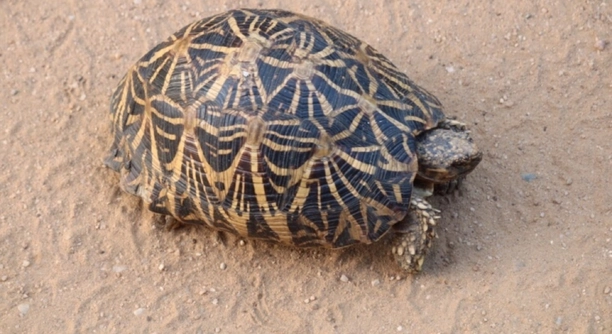
Turtles are unique creatures, and caring for their well-being involves many important steps. One key aspect of turtle care is maintaining their beak, which can grow too long if not properly managed.
Keeping a turtle’s beak trimmed naturally involves providing the right environment and diet. Offering textured surfaces, such as rocks or certain foods, can help wear down the beak. Regular monitoring ensures a balanced growth rate.
There are simple ways to support your turtle’s health and prevent issues. In this article, you will find easy tips for maintaining a well-trimmed beak without the need for professional assistance.
The Importance of Natural Beak Trimming
Maintaining a turtle’s beak is crucial for their overall health. In the wild, turtles use their beaks for eating and interacting with their environment. Without natural wear, the beak can grow too long, leading to potential problems such as difficulty eating or injury. Ensuring that the beak is trimmed naturally through proper care can prevent these issues and keep your turtle healthy. By creating an environment that encourages natural beak maintenance, you help your turtle avoid the need for professional beak trimming, which can sometimes be stressful for them.
Providing textured surfaces, such as rocks, gravel, or rough wood, can significantly contribute to the natural wear of your turtle’s beak. These surfaces allow the turtle to scrape and grind their beak as they move around, helping to keep it at a proper length. Additionally, certain foods like leafy greens, fruits, and vegetables can assist in this process. Offering a diet rich in these items provides the necessary nutrients for healthy beak growth and wear.
Consistently monitoring your turtle’s beak for overgrowth is also important. This allows you to catch any problems early and take action before they become more serious.
Creating the Right Environment
A suitable habitat plays a significant role in keeping your turtle’s beak naturally trimmed. By incorporating natural elements into their enclosure, such as rough surfaces, you mimic the conditions they would experience in the wild.
In addition to rocks or rough surfaces, providing ample space for your turtle to roam and forage will encourage movement that aids in natural beak wear. Turtles need variety in their diet as well. Some hard, fibrous foods like certain grasses, vegetables, and aquatic plants can provide a more natural experience for beak care. Offering a balanced and varied diet encourages healthy beak growth and wear while also contributing to overall well-being. Be sure to regularly clean your turtle’s habitat to avoid the build-up of waste, which can introduce harmful bacteria to their environment.
Offering the Right Diet
A healthy diet supports your turtle’s overall well-being and helps with beak maintenance. Offer a variety of leafy greens, vegetables, and fruits to provide essential nutrients. Foods like dandelion greens and kale promote natural wear. Avoid overfeeding high-protein foods, as they can lead to health issues.
Leafy greens such as lettuce, collard greens, and mustard greens are ideal choices. These foods encourage the scraping motion that helps keep the beak in check. Fruits like strawberries or melons can also provide texture, though they should be offered in moderation. High-protein foods, like insects or fish, should be provided in smaller amounts to avoid imbalance. A balanced diet ensures the turtle’s beak remains healthy and doesn’t grow excessively.
Adding a few hard vegetables, such as carrots or sweet potatoes, to the diet encourages further beak wear as the turtle nibbles and chews. These tougher foods provide extra benefits by helping to naturally file down the beak.
Maintaining Regular Activity
Keeping your turtle active is another important factor in managing beak growth. Providing room to swim, climb, or explore encourages movement that naturally trims the beak.
Turtles require exercise to stay healthy, both physically and mentally. Allowing them to swim in a larger tank or pond space promotes natural behaviors and movements. Regular movement helps wear down the beak. Enrichment items like rocks, logs, and plants not only provide stimulation but also aid in the physical activity necessary for healthy beak growth. This active lifestyle helps keep the beak in check without needing human intervention.
Offering Variety in the Diet
Providing a range of foods can help prevent beak overgrowth. Different textures and hardness encourage natural beak wear. A mix of vegetables, fruits, and occasional protein will balance nutrition while supporting beak maintenance.
Varied food types, such as fibrous leafy greens and harder vegetables, allow your turtle to exercise its jaw muscles. This natural action helps trim the beak. Be sure to introduce new foods gradually to avoid digestive upset. By offering a diverse diet, you can support both your turtle’s health and the natural upkeep of its beak.
Natural Beak Care Through Habitat Design
Creating an environment that encourages natural beak wear is essential. A well-designed habitat includes rough surfaces like rocks and logs.
Rough surfaces help to naturally wear down a turtle’s beak as it moves around, climbs, or forages. This reduces the need for human intervention. Adding aquatic plants and rocks can create a more natural setting for your turtle. These elements provide both stimulation and functional surfaces that support healthy beak growth. A comfortable habitat ensures your turtle remains active and engaged, helping maintain a healthy beak.
FAQ
How can I tell if my turtle’s beak is too long?
A turtle’s beak may be too long if it appears overgrown, curved, or jagged. You might notice the turtle struggling to eat or having trouble picking up food. In some cases, the beak can obstruct their ability to close their mouth completely. If these signs are present, it’s time to evaluate their beak and take corrective action. It’s also essential to monitor your turtle regularly for any changes in behavior that could suggest beak overgrowth. Early detection can prevent more serious issues.
What should I do if my turtle’s beak is overgrown?
If your turtle’s beak is overgrown, it’s essential to consult with a veterinarian for advice. While natural methods may work for mild overgrowth, professional trimming might be necessary in more severe cases. A vet can safely trim the beak, ensuring no damage is done to the turtle’s mouth. Afterward, focus on creating the right environment and diet to prevent the issue from returning. Regularly monitoring their beak’s growth is also recommended.
Can I trim my turtle’s beak myself?
Trimming your turtle’s beak at home is not recommended, as improper trimming can lead to injury or infection. It’s best to let a veterinarian handle this task, especially if the beak is severely overgrown. A professional can assess the situation and trim it safely without causing harm. If you’re concerned about the beak’s growth, keep a close eye on it and consult a vet before attempting any trimming on your own.
How often should I check my turtle’s beak?
You should check your turtle’s beak regularly, at least once a month. Look for any signs of overgrowth, cracks, or damage. If your turtle’s beak is naturally wearing down from its diet and environment, you may not need to intervene often. However, frequent checks ensure any potential issues are caught early. If you’re unsure about the condition of the beak, it’s a good idea to have a vet inspect it during a routine check-up.
What foods help trim a turtle’s beak naturally?
Foods that require chewing, like leafy greens, fibrous vegetables, and fruits, can help naturally wear down a turtle’s beak. Some examples include dandelion greens, collard greens, kale, and tougher vegetables like carrots or squash. These foods help by providing resistance, which encourages the turtle to scrape and grind its beak. Offer a variety of foods to keep your turtle’s diet balanced while promoting healthy beak wear. Avoid feeding too many soft foods, as they don’t provide enough texture to naturally trim the beak.
How can I prevent my turtle’s beak from growing too long?
To prevent your turtle’s beak from growing too long, ensure they have a proper diet, plenty of exercise, and the right habitat. Provide a variety of fibrous foods and hard vegetables to encourage beak trimming. Adding textured surfaces like rocks, logs, or gravel will help as well. Additionally, allowing your turtle to move around and forage will naturally wear down the beak. By maintaining a balanced diet and creating an enriching environment, you can prevent overgrowth and ensure long-term beak health.
Can I use rocks or other objects to trim my turtle’s beak?
Yes, providing your turtle with rough surfaces, like rocks, gravel, or logs, can help naturally trim their beak. When your turtle moves around, climbs, or scrapes its beak against these objects, it will help wear down excess growth. Just ensure that the surfaces are safe and free from sharp edges that could injure your turtle. You can also add natural materials like aquatic plants, which promote chewing and beak wear. Creating a suitable habitat encourages natural beak maintenance without needing direct intervention.
Are there any risks to an overgrown beak?
Yes, an overgrown beak can lead to several issues. The most immediate concern is the inability of the turtle to eat properly. An overgrown beak can make it difficult for the turtle to grab or chew food, which may lead to malnutrition. In extreme cases, the beak can become cracked or damaged, which could cause infection. If left untreated, an overgrown beak may interfere with the turtle’s ability to close its mouth completely, leading to further health complications. Prompt intervention is crucial to prevent these risks.
What if my turtle’s beak is cracked?
A cracked beak can be a sign of excessive growth or trauma. If you notice a crack, it’s important to consult a veterinarian as soon as possible. A vet can treat the crack and prevent infection. It’s also crucial to ensure the crack doesn’t worsen by maintaining a balanced diet and providing a suitable environment for natural beak care. If the crack was caused by trauma, try to identify any sharp or dangerous objects in the turtle’s habitat that might have caused the injury.
How does temperature affect my turtle’s beak?
Temperature can indirectly affect the health of your turtle’s beak. A turtle’s metabolism is influenced by its environment, and improper temperature can cause stress or affect their eating habits. If the tank or habitat temperature is too low, the turtle may not be as active, reducing the natural wear of the beak. On the other hand, too high of a temperature can lead to dehydration, which could affect overall health. Keep the habitat temperature in a suitable range to ensure your turtle remains healthy and active.
Final Thoughts
Maintaining a turtle’s beak health is crucial for its overall well-being. Regular monitoring and providing the right environment and diet can prevent overgrowth and ensure that your turtle remains healthy. A balanced diet that includes fibrous vegetables and tough foods helps naturally wear down the beak. In addition, creating an environment with textured surfaces, like rocks or logs, encourages natural beak trimming as your turtle moves around. These small steps can make a significant difference in your turtle’s health and comfort.
While natural methods work well in most cases, there are instances where intervention may be necessary. If you notice signs of overgrowth, such as difficulty eating or an unusually long beak, consulting a veterinarian is essential. A professional can safely trim the beak and offer advice on how to prevent future issues. It’s important to avoid attempting to trim the beak yourself, as improper handling can lead to injury or infection. Always rely on a veterinarian for trimming and other professional care.
Overall, a combination of the right diet, a suitable habitat, and regular monitoring will help maintain a turtle’s beak health. Being proactive and attentive to your turtle’s needs will not only ensure its beak stays properly trimmed but also support its overall health and longevity. Keeping your turtle active, offering a variety of foods, and providing rough surfaces to explore will naturally encourage beak wear, reducing the need for frequent interventions. By caring for your turtle’s beak in a thoughtful and consistent way, you help improve its quality of life.

Hello,
If you enjoy the content that we create, please consider saying a "Thank You!" by leaving a tip.
Every little bit helps us continue crafting quality advice that supports the health, happiness, and well-being of pets around the world, for pets of all shapes, sizes, and species.
We really appreciate the kindness and support that you show us!