
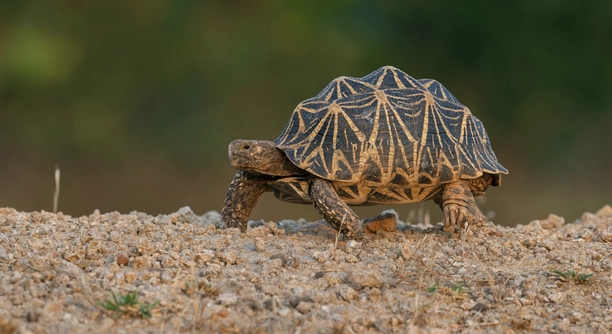
Maintaining the right humidity in a turtle tank is crucial for your pet’s health and comfort. Proper humidity helps turtles thrive and prevents many common health issues. Knowing how to manage it effectively will ensure a happy, healthy pet.
To keep a turtle tank’s humidity balanced, regularly monitor and adjust humidity levels. A combination of proper tank setup, heating, and humidity sources like water dishes or misters can help maintain the optimal environment for your turtle.
There are simple steps you can take to regulate humidity, and they will make a noticeable difference for your turtle. This guide will help you maintain the perfect habitat for your pet, ensuring a safe and comfortable environment.
Choose the Right Tank Setup
Creating a proper tank setup is essential for maintaining the right humidity level. The size of the tank, substrate, and placement of water can all affect how moisture is distributed. A larger tank helps with stable humidity, while smaller tanks can dry out faster. Make sure the tank has a tight-fitting lid to prevent moisture from escaping, while still allowing for proper ventilation. The type of substrate also plays a role; damp substrates, like coconut fiber or sphagnum moss, can help retain moisture. Be sure to place water in the tank, and include an area for the turtle to soak.
Adding water to the tank will increase humidity and create the right environment for your turtle. When choosing a substrate, keep in mind that damp materials are best for moisture retention. Always ensure the area remains dry enough to prevent the growth of mold or bacteria.
Properly setting up the tank with the right materials, placement of water, and an effective lid will give your turtle the best chance for a healthy and comfortable environment. With moisture in place, you’ll have a better time keeping humidity stable, preventing any dry spells that can harm your turtle’s health.
Use a Hygrometer for Accurate Readings
A hygrometer is a key tool for measuring humidity in your turtle’s tank. It ensures you are maintaining the correct levels, usually between 50% and 70%. Place the hygrometer in different areas of the tank to get accurate readings. This will guide you in adjusting humidity as needed.
Using a hygrometer allows you to make real-time adjustments. Without it, you might be guessing, which can lead to improper humidity levels. Regularly check the humidity, especially if you’re using heating lamps or other devices that may cause fluctuations. Keeping track will make a significant difference in your turtle’s comfort and overall health.
If humidity levels are too high or too low, your turtle may suffer from respiratory problems or dehydration. An accurate hygrometer gives you control over your tank’s environment. It helps prevent these issues and ensures that the tank conditions stay within a healthy range. It’s a small investment that can improve your turtle’s quality of life.
Add Misting Systems or Water Features
Misting systems or water features, like small fountains, can help regulate humidity. These create a fine mist that adds moisture to the air, maintaining consistent humidity levels. Make sure these systems are clean and easy to maintain to prevent bacteria growth.
Misting systems are particularly helpful in drier climates, where humidity can drop too low. The misting keeps the environment moist and prevents the tank from becoming too dry. However, it’s important to adjust the misting frequency based on the readings from your hygrometer.
Adjust Lighting and Heating
Proper lighting and heating play a huge role in regulating humidity. The heat from the lights can dry out the air, causing fluctuations in moisture levels. Adjusting the intensity and positioning of the lights can help maintain a steady balance.
Choosing the right lighting for your turtle tank can create an ideal climate. Use UVB bulbs for proper heat, but avoid overheating the tank. Too much heat can cause humidity to drop rapidly. Keep an eye on temperature changes and adjust lighting to prevent it from interfering with the humidity levels.
FAQ
How do I know if my turtle tank has the right humidity?
The best way to know if the humidity is correct is by using a hygrometer. It will give you an accurate reading of the moisture levels in your tank. For most turtle species, the humidity should be between 50% and 70%. If you notice signs of dehydration or your turtle showing difficulty breathing, it could indicate humidity issues. Regular monitoring is essential to ensure the environment is always comfortable for your turtle.
What should I do if the humidity is too high?
If the humidity in your tank is too high, there are a few steps you can take. First, ensure the tank is well-ventilated. Open the tank lid slightly or create ventilation holes to allow moisture to escape. You can also adjust the misting system, reduce the water surface area, or remove any excess water features. A dehumidifier near the tank can also help balance the moisture levels.
Can I use a heat lamp to regulate humidity?
Heat lamps can help with temperature regulation but aren’t the best solution for maintaining humidity. In fact, they can dry out the air, making it harder to keep the humidity in the right range. If you’re using a heat lamp, monitor humidity carefully and consider using other methods like misting or water features to balance out the dry air.
How often should I mist my turtle tank?
The frequency of misting depends on the tank’s size and the local climate. In a humid environment, misting might only be needed once a day or every other day. In dry climates, more frequent misting may be necessary, possibly multiple times a day. Always check your hygrometer for guidance and avoid over-misting, as it can lead to excessive moisture.
Can I use regular tap water in my turtle tank?
Yes, you can use tap water for your turtle tank. However, tap water may contain chemicals like chlorine, which can harm your turtle. It’s a good idea to treat the water with a dechlorinator or allow it to sit out for 24 hours before adding it to the tank. This will help remove harmful substances and make the water safer for your turtle.
What types of substrate are best for maintaining humidity?
Substrates like coconut fiber, sphagnum moss, or cypress mulch are excellent choices for maintaining humidity. These materials are great at holding moisture, which helps keep the humidity levels stable. Avoid using sand or gravel, as they don’t retain moisture and can cause humidity to drop too quickly.
Can I use a humidifier to help with the humidity?
Yes, using a humidifier near your turtle tank can help maintain the humidity level. A humidifier works by releasing moisture into the air, preventing it from drying out. Place the humidifier close to the tank but not directly in it. Always monitor the humidity with a hygrometer to ensure it doesn’t get too high.
What is the ideal temperature for a turtle tank?
Turtles generally thrive in temperatures between 75°F and 85°F (24°C to 29°C) during the day. At night, the temperature can drop to around 70°F (21°C). Keep in mind that the water temperature should also be slightly warmer than the air temperature, typically around 75°F to 80°F (24°C to 27°C).
Should I keep the tank lid closed or open?
The tank lid should remain mostly closed to retain heat and moisture. However, proper ventilation is also important. A lid with small openings or a mesh top will help maintain the humidity without causing it to become stagnant. Avoid covering the entire tank with a solid lid as it may trap too much moisture or cause mold to develop.
Why does my turtle’s shell look dry?
If your turtle’s shell appears dry or flaky, it could be a sign that the humidity is too low. Turtles need a humid environment to keep their shells healthy. Dry air can cause their shells to become brittle or cracked. Check the humidity levels regularly and adjust them accordingly to prevent this problem.
How do I prevent mold from growing in the tank?
Mold can form if the humidity is too high or if water remains stagnant for too long. To prevent mold, ensure proper ventilation in the tank. Clean the tank regularly and replace the substrate when necessary. Keep an eye on areas where water pools or mist settles, and remove any excess moisture.
Final Thoughts
Maintaining the right humidity in your turtle tank is essential for your turtle’s health and well-being. If the humidity is too low, your turtle could become dehydrated, which can lead to serious health problems like shell deformities or respiratory issues. On the other hand, if the humidity is too high, mold or bacteria could grow, creating an unhealthy environment. Achieving a balance is key, and it’s not difficult once you know the steps to take. A combination of proper tank setup, monitoring, and the right tools will make a significant difference.
Regular monitoring is crucial for keeping humidity levels consistent. A hygrometer is a simple yet essential tool that allows you to measure the humidity inside your tank, so you can make necessary adjustments. Misting systems, water features, and proper ventilation all help maintain the correct levels. Adding the right substrates like coconut fiber or sphagnum moss also contributes to moisture retention. It’s important to remember that every turtle species may have slightly different humidity needs, so checking the requirements for your specific turtle will help you ensure the best environment possible.
It may take some trial and error to find the perfect balance, but once you understand how to regulate humidity, your turtle will be much happier. The most important thing is to stay consistent with your tank maintenance and not to neglect any signs of improper humidity. Keep an eye on the temperature, ensure proper water conditions, and adjust as needed. With a little attention to detail, your turtle will thrive in a safe and comfortable habitat, allowing it to live a long, healthy life.

Hello,
If you enjoy the content that we create, please consider saying a "Thank You!" by leaving a tip.
Every little bit helps us continue crafting quality advice that supports the health, happiness, and well-being of pets around the world, for pets of all shapes, sizes, and species.
We really appreciate the kindness and support that you show us!