
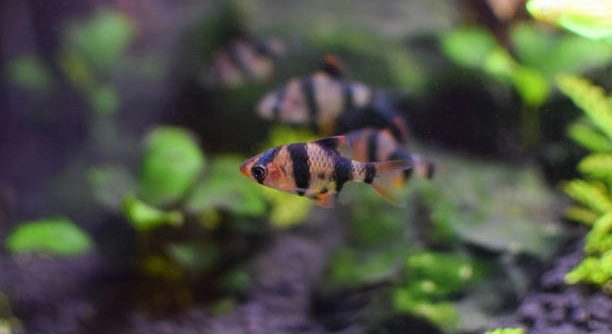
Keeping a solo tiger barb healthy and happy requires more than just basic care. These active fish need stimulation to thrive when kept alone. Providing the right environment helps prevent boredom and promotes natural behaviors in your fish.
Ensuring adequate stimulation for a solitary tiger barb involves offering a variety of environmental enrichments, such as live plants, hiding spots, and interactive elements. Regular changes and mental challenges support their well-being and reduce stress in captivity.
Understanding how to keep your tiger barb engaged will improve its quality of life and create a more dynamic aquarium experience overall.
Creating a Natural Environment
A natural environment is crucial for a solo tiger barb to feel comfortable and stimulated. Start by adding live plants, which provide hiding spots and mimic their natural habitat. Driftwood and rocks can create interesting spaces for the fish to explore and swim around. These elements not only enhance the tank’s appearance but also encourage natural behaviors like hiding and foraging. Keeping a moderate current in the tank can simulate river flow, adding to the stimulation. A varied substrate with small gravel or sand helps the fish interact with the bottom layer. Lighting should be balanced to support plant growth without causing stress. By setting up a tank that resembles the tiger barb’s native environment, you help reduce boredom and encourage activity. This creates a dynamic setting that keeps the fish engaged daily.
Adding natural elements offers your tiger barb both comfort and variety, which promotes healthy behaviors and overall well-being.
Maintaining these conditions requires some regular care. Plants need trimming and water quality must be monitored to keep the habitat stable. Adjusting the setup occasionally can prevent the environment from becoming stale. Changing decorations or rearranging plants encourages exploration and curiosity. A stable but enriched habitat supports the fish’s mental and physical health, making it more likely to thrive alone. The tank should also have enough space for swimming freely. Regular observation helps identify signs of boredom or stress, allowing timely adjustments. The combination of natural decor and routine changes provides a consistent source of stimulation that keeps your tiger barb active and healthy over time.
Introducing Interactive Elements
Toys and interactive objects can boost your tiger barb’s stimulation. Floating plants or small moving objects offer points of interest and movement in the tank.
Interactive elements should be safe and non-toxic. Mirror reflections can encourage short bursts of activity but should be used sparingly to avoid stress. Adding gentle water currents or bubbles invites exploration and engagement. Feeding puzzles or placing food in different locations creates a small challenge and encourages natural foraging. Rotating these objects periodically prevents boredom and keeps the fish mentally sharp. These additions enrich the environment and help maintain your tiger barb’s natural curiosity, even when it lives alone.
Regular Feeding Variations
Changing feeding routines keeps your tiger barb interested during meal times. Offering a mix of foods provides both nutrition and stimulation.
Including live, frozen, and dry foods introduces variety in texture and flavor. Live foods like brine shrimp encourage natural hunting instincts. Frozen options provide essential nutrients, while high-quality flakes or pellets support daily health. Feeding smaller amounts multiple times a day helps maintain activity and interest. Changing the feeding location within the tank also encourages movement and exploration. This variety helps avoid monotony and supports your fish’s well-being.
Monitoring feeding habits ensures your tiger barb is neither overfed nor underfed. Observe how it reacts to different foods and adjust portions as needed. Feeding can be a time for gentle interaction and observation, strengthening your connection with the fish.
Environmental Changes
Small changes in the aquarium setup can refresh your tiger barb’s environment. Rearranging plants or decorations adds new spaces to explore and helps prevent boredom.
Adjusting lighting levels or introducing a gentle current can create new sensations that stimulate activity. Seasonal changes in temperature within the recommended range encourage natural behavior cycles. These shifts mimic their natural habitat and keep the fish engaged. Regularly switching up these environmental factors, while maintaining overall stability, provides ongoing mental stimulation and promotes a healthier lifestyle for your tiger barb.
Providing Hiding Spots
Hiding spots help your tiger barb feel safe and reduce stress. Use caves, dense plants, or aquarium decorations that create small shelters. These areas give the fish a place to retreat and rest, which is essential for its well-being.
Changing the position of hiding spots occasionally encourages exploration and curiosity. This keeps the environment interesting and mentally stimulating.
Maintaining Water Quality
Clean water is vital for your tiger barb’s health and activity level. Regular water changes and proper filtration prevent harmful buildup. Keeping stable water parameters reduces stress and supports natural behavior. Testing water frequently helps catch issues early, ensuring a safe environment for your fish to thrive.
Using Tank Mates Carefully
Some tank mates can add social stimulation for a solo tiger barb. Choose peaceful, compatible species to avoid stress or aggression. Monitor interactions closely to ensure harmony and safety within the aquarium community.
FAQ
How often should I change the decorations or plants in the tank?
Changing decorations or rearranging plants every few weeks helps keep the environment fresh for your tiger barb. Frequent changes can cause stress, so it’s best to make small adjustments gradually. This balance keeps the fish curious without overwhelming it.
What types of live plants work best for tiger barbs?
Hardy plants like Java fern, Anubias, and Amazon sword are good choices. These plants can withstand the tiger barb’s active swimming and occasional nibbling. They provide shelter and contribute to better water quality by absorbing nitrates.
Can I keep more than one tiger barb alone, or is solo best?
Tiger barbs are social fish and usually do better in groups. However, if you prefer to keep one, make sure its tank is enriched and stimulating. Groups help reduce aggression and encourage natural schooling behavior.
Is it okay to use mirrors for stimulation?
Mirrors can trigger short bursts of activity but should be used sparingly. Too much mirror exposure can cause stress or aggression because the fish may think it is seeing a rival. Limit mirror time to a few minutes a day if used.
What is the best way to introduce new toys or objects?
Introduce new objects slowly and one at a time. This helps the tiger barb get used to changes without stress. Observe how the fish interacts with the new item and remove it if signs of fear or aggression appear.
How can I tell if my tiger barb is bored?
Signs of boredom include lethargy, hiding excessively, or reduced appetite. If the fish shows repetitive swimming patterns or seems uninterested in food, it may need more stimulation through environmental changes or interactive elements.
Can feeding live food replace other types of food?
Live food should complement a balanced diet rather than replace pellets or flakes. It offers enrichment and encourages natural hunting, but a mix of food types is necessary for complete nutrition.
How much space does a solo tiger barb need?
A minimum tank size of 20 gallons is recommended for a single tiger barb to swim freely and explore. Larger tanks offer more room for enrichment and reduce stress.
What water parameters are ideal for tiger barbs?
Maintain a temperature between 74-79°F (23-26°C), pH between 6.0-7.5, and moderate hardness. Stable parameters prevent stress and illness, supporting an active, healthy fish.
How can I safely clean the tank without disturbing the fish?
Use gentle siphoning for water changes and avoid disturbing plants and decorations too much. Cleaning should be regular but gentle, maintaining a calm environment.
Are there any behaviors that indicate stress in a solo tiger barb?
Erratic swimming, constant hiding, or faded colors are common signs. Stress can result from poor water quality, lack of stimulation, or aggression. Adjusting care routines helps reduce these signs.
Is it necessary to have a filter with a gentle current?
Yes, a filter with gentle flow mimics the tiger barb’s natural habitat. It also improves water quality and encourages natural swimming behavior without causing stress.
How do I know if my tiger barb is healthy?
Active swimming, bright colors, regular eating, and normal behavior patterns indicate good health. Regular monitoring helps catch issues early for prompt care.
Can tank size affect the behavior of a solo tiger barb?
Smaller tanks can cause stress due to limited space and fewer stimulation opportunities. Larger tanks allow more complex environments, which benefit the fish’s mental and physical health.
What are signs of aggression toward other tank mates?
Chasing, nipping fins, or territorial behavior indicate aggression. Proper tank mates and enough hiding spaces can reduce conflicts and create a peaceful community.
Keeping a solo tiger barb stimulated is important for its overall health and happiness. These fish are naturally active and curious, so providing an engaging environment helps prevent boredom and stress. Simple changes, like adding live plants, hiding spots, and interactive elements, can make a big difference. A natural tank setup encourages your fish to swim and explore, which supports both mental and physical well-being. Small, regular adjustments to the environment keep the fish interested and promote natural behaviors.
Feeding routines also play a key role in stimulation. Offering a variety of foods, such as live, frozen, and high-quality flakes or pellets, can make mealtime more exciting. Feeding smaller amounts more often and changing feeding locations encourage movement and engagement. This approach helps maintain your tiger barb’s natural instincts and prevents routine from becoming monotonous. Careful attention to water quality and tank size further supports a healthy, active fish. Clean water and a spacious tank reduce stress and allow your fish to move freely and comfortably.
Finally, observing your tiger barb regularly is essential to understand its needs and behavior. Noticing signs of boredom, stress, or illness early on lets you make necessary changes quickly. Introducing tank mates can provide social stimulation, but it must be done carefully to avoid conflict. Balancing environmental enrichment, proper feeding, and good water conditions creates a stable and stimulating habitat. By following these practices, you help your solo tiger barb lead a healthier, more fulfilling life in your aquarium.

Hello,
If you enjoy the content that we create, please consider saying a "Thank You!" by leaving a tip.
Every little bit helps us continue crafting quality advice that supports the health, happiness, and well-being of pets around the world, for pets of all shapes, sizes, and species.
We really appreciate the kindness and support that you show us!