
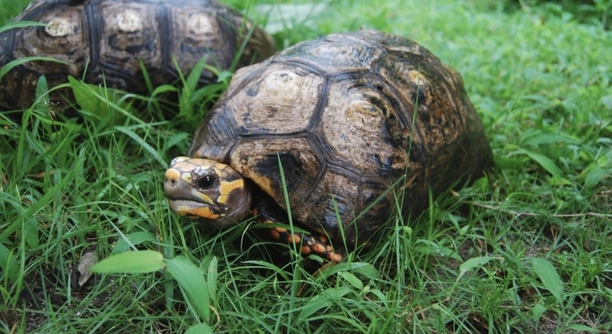
Winter can be tough for a red-footed tortoise, as they are cold-blooded animals. Keeping them warm during colder months is essential for their health and well-being. There are several ways to help them stay comfortable.
To maintain warmth for a red-footed tortoise in winter, you should provide a controlled environment with appropriate heating. Use heat lamps or pads, offer indoor enclosures with proper insulation, and ensure a stable temperature to prevent stress or hibernation-like states.
These methods will ensure that your tortoise remains active and healthy throughout the colder months.
Use Heat Lamps to Maintain Warmth
A heat lamp is one of the most effective ways to keep your red-footed tortoise warm during winter. By placing a heat lamp above the tortoise’s enclosure, you can create a basking area where the temperature is consistently high. The light not only provides warmth but also mimics the sun, giving your tortoise a chance to regulate its body temperature. Ensure the heat source is set at the right height to avoid overheating. It’s important to use a lamp with a low wattage to prevent any risk of burns or stress.
Using a heat lamp is simple, but placement is crucial. You want to ensure the lamp is positioned at one side of the enclosure to allow your tortoise to move between cooler and warmer areas.
Remember to monitor the temperature regularly with a thermometer. Keep the basking spot around 85-90°F to ensure your tortoise stays warm without overheating. By adding a heat lamp to your tortoise’s enclosure, you provide a safe, controlled heat source that’s crucial for their comfort and health.
Provide Proper Insulation
Good insulation will help retain the heat in your tortoise’s enclosure during the colder months. Whether you use blankets, foam, or specialized materials, ensuring the enclosure is properly sealed helps trap warmth and keeps cold air out.
Use insulation to prevent drafts and keep the temperature more stable inside the enclosure. Proper insulation ensures that the heat from lamps or pads isn’t lost to the outside air.
Use Heat Pads for Extra Warmth
Heat pads are another great option to help keep your red-footed tortoise warm during the winter. These pads can be placed under the enclosure, providing a steady source of warmth. They are especially useful for nighttime when the temperature tends to drop.
Heat pads should be set up to cover a part of the enclosure to create a warm zone. Make sure the pad is placed on the outside of the tank, so the heat radiates inward. You can use a thermostat to control the temperature, ensuring that the pad doesn’t overheat the tortoise.
It’s crucial to check the heat pad regularly to make sure it’s working properly. Overheating can lead to discomfort, while insufficient warmth can cause health problems. When used correctly, heat pads are an excellent, low-maintenance solution to help your tortoise stay cozy throughout the colder months.
Create a Winter Hide for Protection
A winter hide provides your tortoise with a cozy, secure space to retreat to. This hide can be a small box or a more insulated section of the enclosure. The goal is to keep them sheltered from drafts and extreme cold.
Choose a hide with soft bedding like straw or hay, which retains heat. Make sure it’s large enough for your tortoise to turn around comfortably. This little retreat will give your tortoise a place to rest without worrying about fluctuating temperatures. Additionally, it helps simulate a natural environment, giving them the comfort they need.
Adding this hide will reduce stress and promote better overall well-being for your tortoise. They can retreat there whenever they feel too cold or need to rest away from the heat sources. It’s an essential step to keep them comfortable during winter.
Maintain a Stable Temperature
Keeping the temperature stable is key to your tortoise’s well-being during winter. Use a thermometer to monitor the temperature inside the enclosure. This helps you ensure that the warm areas remain at the right level, and the cooler zones are not too cold.
Consistency in temperature is important to avoid stress on your tortoise. You don’t want sudden fluctuations that could cause them to go into hibernation or become sick. Regularly check the temperature, especially at night, when it can drop unexpectedly. A stable, comfortable environment will help your tortoise stay healthy all winter long.
Consider a Ceramic Heat Emitter
A ceramic heat emitter (CHE) is another great tool to help keep your tortoise warm. Unlike heat lamps, they don’t emit light, making them ideal for creating warmth without disturbing the tortoise’s sleep patterns. CHEs can be used throughout the night to maintain warmth.
They provide constant, gentle heat that mimics natural sunlight. When installed above the tortoise’s enclosure, they can keep the air at a consistent temperature. Just like heat pads, it’s important to ensure the emitter is used with a thermostat for safety. A CHE is a great solution for long-lasting warmth.
Monitor Humidity Levels
Humidity is just as important as temperature for your red-footed tortoise. Too much dryness can lead to health issues, especially during the winter when indoor air is often drier. Use a hygrometer to keep track of humidity levels inside the enclosure.
Ideal humidity for red-footed tortoises is between 70-80%. If the air is too dry, consider adding a humidity source like a shallow water dish or misting the enclosure. Make sure the substrate stays moist but not overly wet. Keeping humidity stable will help your tortoise stay healthy and active during the cold months.
FAQ
How cold is too cold for a red-footed tortoise?
Red-footed tortoises are tropical animals, so temperatures below 60°F can cause stress and health issues. If the temperature consistently drops below 60°F, your tortoise may become sluggish or stop eating. Keeping their environment between 75-85°F during the day is ideal, with a slight drop at night.
Can I use a space heater to keep my tortoise warm?
Using a space heater can help maintain overall room temperature, but it’s not the best option for directly heating your tortoise’s enclosure. A space heater doesn’t provide a consistent heat source in specific areas, which is necessary for your tortoise. Instead, use heat pads or heat lamps that target a specific zone in the enclosure.
What should I do if my tortoise starts to hibernate in winter?
If your tortoise starts hibernating or showing signs of slowing down during the winter, check the temperature and humidity levels. If it’s too cold, they may enter a state of brumation (similar to hibernation), which is dangerous in captivity. Make sure the enclosure stays warm, and monitor their behavior closely. If they continue to sleep for extended periods or refuse to eat, contact a vet.
Can red-footed tortoises tolerate low humidity in the winter?
No, low humidity can cause respiratory issues and dehydration. During the winter, indoor heating can make the air drier, so it’s important to maintain proper humidity levels. A humidity level of 70-80% is ideal. Consider adding a shallow water dish or lightly misting the enclosure to keep the humidity up.
Do red-footed tortoises need UVB light during the winter?
Yes, UVB light is essential year-round, including in the winter. UVB helps tortoises synthesize vitamin D3, which is crucial for calcium absorption and overall health. If your tortoise is kept indoors during the winter, ensure it gets 10-12 hours of UVB light per day, either from a natural light source or a UVB bulb.
Can I use a blanket to keep my tortoise warm?
While blankets may help keep the outside of the enclosure warm, they are not effective in providing consistent heat for your tortoise. Instead, use heat lamps, heat pads, or ceramic heat emitters for reliable and controlled warmth. Ensure there’s proper ventilation in the enclosure to avoid overheating.
How do I ensure my tortoise stays active during the winter?
To keep your tortoise active in winter, ensure its enclosure is warm enough. Provide a basking area with a heat lamp or heat pad, and offer food regularly. Red-footed tortoises are known for their curiosity, so encourage movement with different textures or occasional changes in the environment.
Is it safe to bring my tortoise outside in the winter?
Bringing your tortoise outside in the winter is not recommended. Cold temperatures and exposure to drafts can stress them, making them vulnerable to illness. Keep them indoors in a well-heated and controlled environment during the colder months.
How often should I feed my tortoise in winter?
In winter, your tortoise’s appetite may decrease due to lower activity levels and cooler temperatures. You should still offer food regularly but reduce the quantity if they’re not eating as much. Fresh fruits, vegetables, and occasional protein will ensure they get the nutrients they need. If they stop eating completely, it’s important to monitor the temperature and consult a vet.
Can I use a heat mat for my tortoise?
Yes, heat mats can be used under the enclosure to provide a gentle, consistent heat source. They’re ideal for keeping the bottom of the tank warm and ensuring your tortoise’s substrate stays at an appropriate temperature. Just make sure the mat doesn’t get too hot and is used in combination with other heating elements like heat lamps or pads.
What’s the best way to check the temperature in the enclosure?
Using a thermometer is the most reliable way to check the temperature in your tortoise’s enclosure. You can find inexpensive digital or dial thermometers that are specifically designed for reptile habitats. Place one near the basking area and one at the cooler end of the enclosure to monitor the temperature range accurately.
How can I prevent my tortoise’s water from freezing?
To prevent your tortoise’s water from freezing, use a heated water dish or place the water dish in a warm part of the enclosure. You can also use a reptile-safe water heater to keep the water at a consistent temperature, ensuring your tortoise always has access to fresh water.
How long can my red-footed tortoise go without eating in the winter?
During winter, it’s normal for red-footed tortoises to eat less, but they shouldn’t go without food for extended periods. If your tortoise isn’t eating for more than a few weeks, it could be a sign of an issue with temperature or health. If they don’t resume eating, consider seeing a vet for advice.
Should I reduce the amount of light my tortoise gets during the winter?
No, red-footed tortoises still need 10-12 hours of light each day, even during the winter. This light helps regulate their circadian rhythms and supports their overall health. If you are using artificial lighting, make sure the light is UVB-specific to promote vitamin D3 production.
Can I add extra bedding to help keep my tortoise warm?
Adding extra bedding like straw or hay can help insulate the enclosure and retain heat. However, be mindful not to overfill the enclosure, as your tortoise still needs space to move around. The bedding should also be dry to avoid causing any dampness that could affect humidity levels.
Final Thoughts
Keeping a red-footed tortoise warm during the winter months is essential for its health and well-being. These tortoises are native to tropical climates, and cold temperatures can lead to stress or illness. Providing a stable environment with the right temperature and humidity is key. You can achieve this by using heat lamps, heat pads, and UVB lights to replicate their natural habitat. Monitoring their behavior and adjusting their environment as needed ensures they stay active and healthy during the colder months.
In addition to the right heating elements, maintaining proper humidity is important. Winter air tends to be drier, which can lead to respiratory issues and dehydration in your tortoise. Make sure their enclosure stays humid by using water dishes and misting regularly. Humidity levels should stay between 70% and 80% for optimal health. A dry environment can lead to shedding problems and make it difficult for your tortoise to digest food properly.
Finally, it’s important to keep an eye on your tortoise’s eating habits during winter. Their appetite may decrease as temperatures drop, but they still need food to maintain energy. Ensure they have access to fresh, nutritious food and offer it regularly. If they stop eating completely, check the temperature and humidity levels. If problems persist, consult a veterinarian. With the right care and environment, your red-footed tortoise will be able to thrive even during the colder months.

Hello,
If you enjoy the content that we create, please consider saying a "Thank You!" by leaving a tip.
Every little bit helps us continue crafting quality advice that supports the health, happiness, and well-being of pets around the world, for pets of all shapes, sizes, and species.
We really appreciate the kindness and support that you show us!