
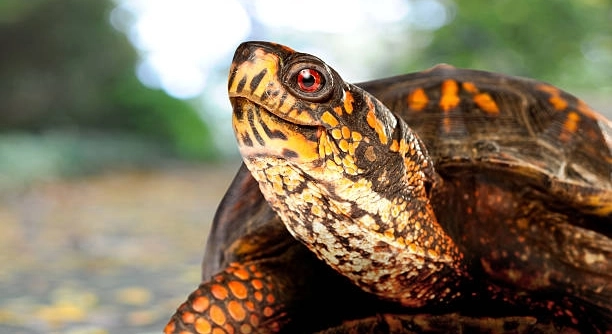
Do your kids love animals but feel unsure about helping with pet care? Box turtles can be an engaging choice for young caregivers. These gentle reptiles offer an opportunity for kids to learn responsibility while enjoying a rewarding experience.
The best way to involve kids in box turtle care is to assign age-appropriate tasks like feeding, cleaning, or monitoring their pet’s behavior. These activities build confidence, foster a bond with the turtle, and teach valuable life skills.
By sharing responsibilities, you’ll help kids develop a deeper connection with their shelled companion. Keep reading to discover fun and educational ways to include them in turtle care.
Setting Up a Comfortable Habitat
Creating a proper home for your box turtle is the first step in teaching kids about care. Start with a spacious enclosure, ensuring it has both a warm basking area and a cooler zone. Add soft substrate for burrowing and provide hiding spots for your turtle to feel secure. Including a shallow water dish for soaking is essential. Let your kids help arrange the habitat. This hands-on experience will help them feel involved and connected to their turtle’s needs. Remember, a well-maintained habitat is crucial for the turtle’s overall well-being and health.
Encourage your kids to take small daily tasks like misting the enclosure or checking water levels. These activities help them understand the importance of maintaining a clean and comfortable environment.
By letting your children design and maintain the habitat, they’ll learn how small adjustments can make their turtle happier and healthier.
Feeding Time as a Fun Activity
Allow kids to take charge of feeding the turtle, which is a simple yet crucial task. They can help by chopping vegetables, offering live insects, or placing food in the enclosure.
Teaching your kids about proper nutrition fosters a sense of responsibility. Turtles need a variety of foods like leafy greens, fruits, and proteins to thrive. Discuss the importance of balanced meals and how they impact the turtle’s health. Explain how overfeeding or providing the wrong food can harm their pet.
Making feeding time interactive keeps kids engaged. Let them observe their turtle while it eats and note its preferences. These interactions build a better understanding of their pet’s unique personality and needs, fostering a closer bond.
Encouraging Kids to Monitor Health
Teach kids to observe their turtle’s behavior for signs of good health. Normal activities include eating regularly, basking, and being active during the day. Any changes could indicate a problem that needs attention.
Explain how to spot potential health concerns, like swelling, unusual shell markings, or lethargy. Make it a routine for kids to gently check their turtle’s shell and limbs weekly. Remind them to handle their pet carefully to prevent stress. Regular observation helps kids understand their turtle’s needs better.
By tracking health, kids become more aware of how their care impacts the turtle. It’s also a great way for them to learn about early warning signs and the importance of visiting a vet. This responsibility builds confidence and creates a sense of accomplishment in caring for a living creature.
Making Cleaning a Shared Task
Involve kids in cleaning the turtle’s enclosure by assigning manageable tasks. They can remove old food or wipe down water dishes.
Explain the importance of keeping the habitat clean to prevent bacteria buildup and odors. Demonstrate how to replace the substrate, clean hides, and maintain water quality. Clear instructions make it easier for kids to stay consistent.
Break down the cleaning schedule into simple steps, ensuring it’s age-appropriate. Kids will enjoy seeing the immediate results of their work and knowing they’ve contributed to their pet’s comfort. This routine helps reinforce the value of a healthy environment.
Teaching Proper Handling
Show kids how to gently pick up their turtle by supporting its body. Remind them to avoid sudden movements to prevent stress. Proper handling helps the turtle feel safe and builds trust.
Encourage kids to handle their turtle only when necessary. Overhandling can cause stress, so it’s important to keep these interactions brief and gentle.
Incorporating Play and Enrichment
Introduce simple activities to keep the turtle mentally stimulated, like offering different hiding spots or rearranging the habitat. Kids can help by rotating items or adding safe, non-toxic plants. This keeps the turtle engaged and adds variety to its environment.
Keeping a Care Journal
Have kids keep a journal to track feeding, cleaning, and observations. Writing down daily tasks helps them stay organized and monitor their turtle’s progress.
FAQ
What should I feed my box turtle?
Box turtles are omnivores, so they enjoy a balanced diet that includes both plant-based foods and small animal proteins. Offer leafy greens, like kale or collard greens, and fruits like berries or apples. Also, provide small amounts of protein, such as mealworms, crickets, or earthworms. It’s important to rotate foods to keep their diet varied and prevent nutritional imbalances. Make sure the food is chopped into small pieces that are easy for your turtle to eat.
How often should I feed my box turtle?
You should feed your box turtle every other day, especially if it’s an adult. Baby or young box turtles may require food every day to support their growth. Make sure not to overfeed them as obesity can be a problem. Observe their eating habits and adjust food amounts accordingly.
Do box turtles need special lighting?
Yes, box turtles need special lighting to stay healthy. Provide a UVB light source to help them synthesize vitamin D3, which is essential for calcium absorption. This light should be on for about 12 hours a day, simulating a natural day-night cycle. Make sure the light is placed at an appropriate distance, and replace it every 6 to 12 months to maintain its effectiveness.
How big should my turtle’s enclosure be?
A box turtle’s enclosure should be at least 40 gallons in size for one adult turtle. The more space, the better, as box turtles need room to explore and hide. Make sure the enclosure includes areas for basking, hiding, and access to water for soaking. The environment should be secure, with no possibility of the turtle escaping.
What temperature should I keep my box turtle’s habitat?
A proper temperature range is crucial for your box turtle’s well-being. The basking area should be between 85-90°F, while the cooler side should be around 70°F. You can use a heat lamp to maintain the basking temperature, but make sure the cooler side of the habitat is well-ventilated and not too hot.
Can box turtles be kept together?
While box turtles are generally solitary creatures, they can sometimes coexist in the same space under the right conditions. However, males can be territorial and may fight with one another. It’s important to observe their behavior closely. If any aggression is noticed, it’s better to house them separately.
How do I clean my box turtle’s habitat?
Cleaning the enclosure regularly is important for your turtle’s health. Spot clean the substrate daily by removing uneaten food and waste. Once a week, do a full cleaning, which involves replacing the substrate, cleaning water dishes, and wiping down surfaces. Use reptile-safe cleaners to avoid harmful chemicals.
Can I take my box turtle outside?
Yes, you can take your box turtle outside, but be cautious. Only do so when the weather is warm enough, and make sure the area is safe and free from predators. Box turtles enjoy exploring natural environments, but make sure they have access to shade and water. Never leave them unsupervised outside.
How long do box turtles live?
Box turtles can live a long time, often 40 to 50 years in captivity with proper care. Some box turtles may live even longer, especially if they are given a healthy diet, clean environment, and proper medical care. It’s important to be prepared for their long lifespan before bringing one into your home.
Do box turtles need a water dish?
Yes, box turtles need a shallow water dish in their enclosure. They may not swim like aquatic turtles, but they need to soak to stay hydrated and assist with shedding. Make sure the dish is shallow enough for them to walk in and out easily, and change the water daily.
How do I know if my box turtle is sick?
Signs of illness in box turtles include a lack of appetite, lethargy, swelling, or abnormal breathing. If you notice any of these symptoms, it’s important to consult a veterinarian who specializes in reptiles. Regular health checks and observing your turtle’s behavior can help you spot problems early.
Do I need to provide my box turtle with vitamins or supplements?
Yes, box turtles often benefit from calcium and vitamin D3 supplements, especially if they don’t get enough exposure to natural sunlight. Sprinkle supplements on their food about once or twice a week, but be cautious not to over-supplement, as this can cause health issues. A varied diet with proper lighting should also help meet most of their nutritional needs.
Can box turtles climb?
Box turtles are not known for their climbing abilities, but they can manage to scale low objects or climb out of enclosures if the walls are too low. It’s important to ensure the enclosure has high walls or a secure lid to prevent escape.
Taking care of a box turtle can be a rewarding experience for both kids and adults. It teaches responsibility and empathy while also providing a chance to learn about animal care. Involving kids in the process can help them build valuable skills, from feeding and cleaning to observing and tracking their turtle’s health. It’s important to keep the care routine consistent and make sure the turtle has a safe, comfortable habitat. When kids feel involved, they are more likely to take ownership of the tasks and enjoy the process.
Each step in box turtle care, from providing the right food to creating the perfect environment, offers a learning opportunity. Simple tasks like arranging the habitat, feeding the turtle, or monitoring its behavior can help kids understand the importance of regular care. By being actively involved, children can develop a deeper connection with their turtle and learn how their actions directly impact the pet’s health and happiness. Over time, they will also gain a better understanding of animal behavior and the needs of living creatures.
It’s essential to remember that while box turtles are relatively low-maintenance, they still require a lot of attention. Their diet, environment, and health need to be managed carefully. Involving children in these tasks is a great way to teach them about commitment and the importance of caring for a pet. Whether it’s cleaning the enclosure or observing the turtle’s habits, kids can gain satisfaction from their involvement. The key is to make the experience fun and educational so that both the turtle and the child thrive.

Hello,
If you enjoy the content that we create, please consider saying a "Thank You!" by leaving a tip.
Every little bit helps us continue crafting quality advice that supports the health, happiness, and well-being of pets around the world, for pets of all shapes, sizes, and species.
We really appreciate the kindness and support that you show us!