
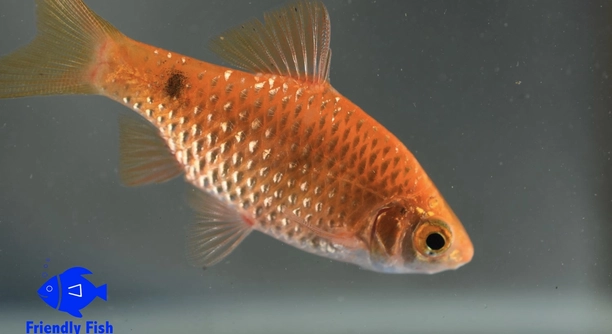
Rosy Barbs are a popular choice for community tanks because of their vibrant colors and active nature. Introducing them properly helps maintain harmony among tank mates. This article outlines simple steps to bring Rosy Barbs into your aquarium smoothly.
Introducing Rosy Barbs to a community tank requires careful acclimation, proper tank conditions, and consideration of their temperament. These steps ensure minimal stress, reduce aggression, and promote a healthy environment for all fish species.
Learning these techniques can make your aquarium experience more enjoyable and keep your fish thriving in a shared space.
Preparing the Tank for Rosy Barbs
Before adding Rosy Barbs, make sure the tank is ready. These fish prefer water temperatures between 72°F and 79°F and a pH of 6.5 to 7.5. Clean the tank thoroughly and test the water to ensure stability. Provide plenty of plants and hiding spots to create a comfortable space. Rosy Barbs are active swimmers, so a tank size of at least 20 gallons is recommended. Adding a gentle filter and maintaining good water flow will keep the environment healthy. Avoid overcrowding to reduce stress among fish. Adjust lighting to moderate levels, which helps show off their colors without stressing them. Regular water changes are important to keep the water clean and safe. Taking these steps will help your Rosy Barbs settle in without problems.
A well-prepared tank is the foundation for a peaceful community environment with Rosy Barbs.
Setting up the tank properly not only benefits the Rosy Barbs but also helps other fish adjust smoothly. Plants and hiding places reduce conflicts and provide shelter. Keeping water parameters steady avoids sudden changes that can harm the fish. A clean, well-oxygenated environment supports their health and activity. When everything is right, Rosy Barbs will thrive and bring life to the tank.
Acclimating Rosy Barbs Slowly
Introduce new Rosy Barbs using a slow acclimation process. Float the sealed bag in the tank for 15-20 minutes to equalize temperature. Then gradually add small amounts of tank water to the bag every 10 minutes over the next hour. This reduces shock from water differences. After acclimation, gently release the fish into the tank.
Taking time with acclimation helps reduce stress and improves survival rates.
Slow acclimation gives the fish time to adjust to new water conditions without sudden changes. This careful method prevents shock, which can cause illness or death. After release, keep the lights dim for a few hours to help the fish feel safe. Watch for signs of stress or aggression and remove any aggressive tank mates if needed. By being patient during this process, you support the health and comfort of your new Rosy Barbs.
Monitoring Behavior After Introduction
Rosy Barbs can be lively and sometimes nippy, so watch their behavior closely after introduction. Observe how they interact with other fish.
Aggression can be common when new fish are added. If Rosy Barbs start chasing or nipping other tank mates excessively, it may cause stress. Providing plenty of hiding spots and keeping the tank well-planted can help reduce aggression. If problems continue, consider separating the fish temporarily. It’s important to act early to avoid injuries. Rosy Barbs usually settle once they establish territory, but close monitoring during the first days is crucial.
Early detection of aggression allows for quick adjustments. Make sure to watch all fish closely and intervene if necessary.
Feeding Rosy Barbs in a Community Tank
Feeding Rosy Barbs requires balanced nutrition and consideration for other fish. Offer high-quality flakes or pellets designed for tropical fish. Supplement their diet with live or frozen foods like brine shrimp or bloodworms for variety.
Avoid overfeeding, as excess food can pollute the water and harm the tank environment. Feed small amounts two to three times a day to keep the fish healthy without wasting food. Observe feeding behavior to ensure all fish get their share. Sometimes more timid fish need separate feeding. A good diet supports bright colors and active behavior. Adjust feeding based on how your fish respond to maintain a balanced community tank.
Keeping Water Quality Stable
Maintaining clean water is essential for Rosy Barbs and their tank mates. Regular water changes help remove waste and keep the environment healthy.
Test water parameters weekly, focusing on ammonia, nitrite, and nitrate levels. Keeping these within safe ranges prevents stress and disease.
Avoiding Overcrowding
Overcrowding can lead to stress, aggression, and poor water quality. Keep the number of fish appropriate for your tank size to avoid these problems.
Rosy Barbs need space to swim freely. Too many fish cause competition for food and oxygen, increasing illness risk.
Using Tank Mates Wisely
Choose peaceful tank mates that tolerate similar water conditions. Avoid slow-moving or long-finned fish, as Rosy Barbs can nip fins.
Community tanks thrive when all fish have compatible temperaments and needs. Careful selection helps maintain balance and reduces conflicts.
FAQ
How many Rosy Barbs should I keep in a community tank?
Rosy Barbs are social fish and do best in groups of at least six. This helps spread out any aggressive behavior and keeps them active. In a 20-gallon tank, six Rosy Barbs is a good number, but larger tanks can support more. Avoid overcrowding to maintain water quality and reduce stress on all fish.
What water conditions do Rosy Barbs need?
Rosy Barbs prefer temperatures between 72°F and 79°F with a pH of 6.5 to 7.5. Stability is key—sudden changes can cause stress or illness. Regular water testing and changes will help keep these conditions steady and safe for your fish.
Can Rosy Barbs live with small, slow fish?
It’s best to avoid keeping Rosy Barbs with small, slow, or long-finned fish. Rosy Barbs can be fin nippers, which may harm slower or delicate tank mates. Instead, pair them with similarly active and robust species to prevent injuries.
How do I reduce aggression in Rosy Barbs?
Providing plenty of hiding spots and plants helps lower aggression by giving fish space to retreat. Keeping Rosy Barbs in groups also spreads out any chasing behavior. If aggression is severe, removing the most aggressive fish or separating the tank may be necessary.
What should I feed Rosy Barbs?
Feed a balanced diet of quality flakes or pellets designed for tropical fish. Supplement with live or frozen foods like brine shrimp or bloodworms to add variety and boost nutrition. Feed small amounts two to three times daily and avoid overfeeding to keep the tank clean.
How long does it take for Rosy Barbs to adjust to a new tank?
Rosy Barbs usually settle within a few days to a week if introduced properly. Slow acclimation reduces stress, and a well-prepared tank supports their adjustment. During this time, keep the environment calm with dimmed lighting and minimal disturbance.
Can Rosy Barbs breed in a community tank?
Rosy Barbs can breed in community tanks if conditions are right, but other fish may eat the eggs or fry. To increase breeding success, consider a separate breeding tank with plenty of plants for hiding.
What signs show Rosy Barbs are stressed or sick?
Look for faded colors, hiding, loss of appetite, or labored breathing. Also watch for clamped fins or unusual swimming patterns. Early detection of these signs can help prevent serious health issues by adjusting water conditions or seeking treatment.
Do Rosy Barbs need special lighting?
Moderate lighting is best for Rosy Barbs. Too bright can stress them, while too dim may dull their colors. Natural daylight cycles or aquarium lights on a timer provide consistent conditions that support their health and display.
How often should I clean the tank when keeping Rosy Barbs?
Regular maintenance includes weekly water changes of 20-30% to remove waste and keep water quality high. Clean the filter monthly but avoid washing beneficial bacteria away. Proper cleaning supports a healthy environment and reduces disease risks.
Introducing Rosy Barbs to a community tank can be a rewarding experience when done carefully. These fish bring bright colors and lively movement that enhance any aquarium. Taking time to prepare the tank properly and acclimate the fish slowly will help reduce stress and avoid common problems. Keeping the water clean and stable supports their health and allows them to settle in comfortably. Paying attention to their behavior during the first days is important to catch any signs of aggression or illness early. With good care, Rosy Barbs can live happily alongside other peaceful fish.
Feeding Rosy Barbs a balanced diet is key to keeping them vibrant and active. Offering a mix of quality flakes or pellets along with occasional live or frozen treats ensures they get proper nutrition. It’s important to avoid overfeeding, as leftover food can cause water quality issues that affect all tank inhabitants. Watching how your fish eat helps make sure everyone gets enough without waste. Regular tank maintenance and water changes are essential to remove waste and keep the environment healthy. A well-maintained tank reduces the chance of disease and stress for your Rosy Barbs and their tank mates.
Choosing compatible tank mates and avoiding overcrowding will help maintain a peaceful community aquarium. Rosy Barbs can be a little nippy, so pairing them with fast, active fish that tolerate similar water conditions works best. Adding plenty of plants and hiding spots creates a comfortable space where all fish can feel safe. Monitoring interactions between fish helps catch any issues before they get worse. When the environment is balanced and the fish are cared for properly, Rosy Barbs will thrive and bring color and life to your community tank for years to come.

Hello,
If you enjoy the content that we create, please consider saying a "Thank You!" by leaving a tip.
Every little bit helps us continue crafting quality advice that supports the health, happiness, and well-being of pets around the world, for pets of all shapes, sizes, and species.
We really appreciate the kindness and support that you show us!