
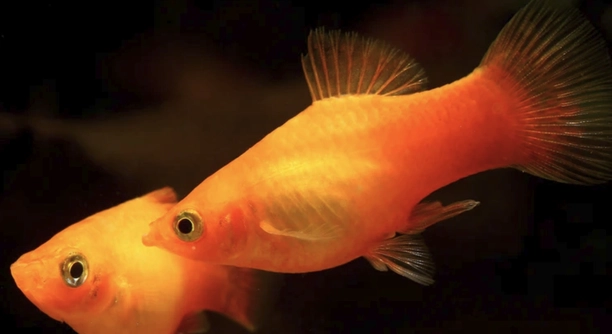
Platy fry are a popular choice for many aquarium enthusiasts who want lively, colorful fish in their tanks. Introducing them properly is important to avoid stress and health problems. A smooth transition helps ensure their well-being and growth.
Successful introduction of platy fry involves maintaining stable water conditions, gradual acclimation, and providing appropriate food and shelter. Minimizing sudden changes and avoiding overcrowding reduces stress, while careful monitoring helps prevent illness and ensures a healthy start for the fry.
Following these guidelines will help you create a safe environment for your platy fry. This article outlines practical steps to support their healthy development and integration into your aquarium.
Prepare the Tank Properly
Before adding platy fry to your aquarium, make sure the tank is clean and stable. Remove any debris, leftover food, and waste. Check the water temperature and pH to match the fry’s needs, usually around 74-78°F and a pH of 7.0 to 8.2. Provide plenty of hiding places using plants or decorations to help reduce stress. Avoid sudden changes in water conditions, as fry are sensitive to fluctuations. Regular filtration and gentle water flow keep the environment healthy. It’s also a good idea to do a partial water change before introducing the fry to ensure fresh, clean water. Taking these steps beforehand creates a safe and comfortable space where the fry can grow without unnecessary challenges. Keeping the tank conditions steady will support their immune system and reduce the risk of disease. Preparing the tank carefully is one of the best ways to start on the right foot.
Cleaning the tank and setting stable water conditions prevent shock and stress in the new fry.
Proper tank preparation reduces risks of illness and helps fry adjust smoothly, which supports their early growth and survival.
Acclimate the Fry Slowly
Acclimating platy fry slowly reduces shock and improves survival chances. When introducing them, float the container in the aquarium for about 15-20 minutes to match water temperatures. Then, gradually add small amounts of tank water to the container every 5 minutes. This allows the fry to adjust to the new water chemistry without sudden changes. Avoid pouring the fry directly into the tank. Instead, use a small net to transfer them gently. Keeping the introduction calm minimizes stress and prevents injury. It is important to observe the fry closely for the first few hours and days to spot any signs of distress or illness. A slow, careful acclimation helps the fry get used to their new home, supporting their health and reducing mortality.
Avoid rushing the process, as sudden changes can be harmful to delicate fry.
Slow acclimation eases the transition and reduces the risk of shock, helping fry settle comfortably in their new environment.
Provide Appropriate Food
Platy fry need small, nutritious food to grow healthy and strong. Use finely crushed flakes, baby brine shrimp, or specialized fry food that fits their tiny mouths. Avoid overfeeding to keep the water clean.
Feeding fry the right food ensures they get essential nutrients for development. Baby brine shrimp are rich in protein and easy to digest, which supports rapid growth. You can also use powdered fry food available at pet stores, designed specifically for young fish. Feed small amounts multiple times a day to prevent leftovers that pollute the tank. It’s important to watch how much they eat and remove uneaten food to maintain water quality. Proper nutrition builds their immune system and helps them develop vibrant colors.
Feeding frequency and portion control matter as much as food type. Too much food causes water quality issues, which can harm fry health. Balancing their diet supports steady growth and prevents common problems linked to poor feeding habits.
Keep Tank Conditions Stable
Maintaining consistent water parameters is vital for platy fry survival. Sudden changes in temperature, pH, or hardness can stress the fry and make them vulnerable to disease.
Regular monitoring helps spot any shifts early. Use a reliable thermometer and test kits to check water conditions daily, especially during the first weeks. Avoid overcrowding as it increases waste and lowers water quality, putting fry at risk. Perform small, frequent water changes with treated water to keep the environment clean without shocking the fish. Stability reduces stress, which is crucial for their immune response. Maintaining a calm, steady environment allows the fry to focus energy on growth instead of coping with stress. Keeping these conditions stable gives your fry the best chance to thrive in your aquarium.
Avoid Overcrowding
Too many platy fry in one tank can cause stress and poor water quality. Space is essential for healthy growth.
Overcrowding increases competition for food and oxygen, making it harder for fry to thrive. Separate fry into different tanks if needed to give each enough room and reduce aggression.
Use Gentle Filtration
Strong currents can overwhelm delicate fry. Choose a gentle filter that keeps water clean without creating too much flow.
A sponge filter is a good option because it provides filtration while protecting fry from being sucked in. It also promotes beneficial bacteria growth, which supports water quality and fish health.
Monitor for Disease
Watch fry daily for signs of illness like lethargy, spots, or unusual swimming. Early detection helps prevent outbreaks.
Provide Hiding Places
Fry need places to hide from larger fish and reduce stress. Plants, moss, or small decorations create safe spaces.
FAQ
How often should I feed platy fry?
Platy fry need to be fed small amounts several times a day, typically three to four times. Their tiny stomachs require frequent meals but in small portions to avoid overfeeding. Overfeeding can quickly pollute the water, which harms their health. Feed them only what they can consume within a few minutes.
What type of food is best for platy fry?
The best foods for platy fry include finely crushed flakes, baby brine shrimp, and specialized powdered fry food. These options provide essential proteins and nutrients needed for growth. Baby brine shrimp are especially good because they are easy to digest and promote healthy development.
Can platy fry live with adult fish?
It is not ideal to keep platy fry with adult fish in the same tank, especially aggressive or larger species. Adult fish may see fry as food, increasing the risk of predation. If you want to keep fry safe, use a separate breeding or nursery tank until they grow larger.
How long does it take for platy fry to grow?
Platy fry typically grow quickly, reaching about one inch within 2 to 3 months. Their growth depends on proper feeding, clean water, and stable tank conditions. With good care, fry develop healthily and start showing adult coloration around this time.
What water temperature is best for platy fry?
A stable water temperature between 74°F and 78°F (23°C to 26°C) is ideal for platy fry. Temperatures outside this range can cause stress or slow growth. It’s important to use a heater and thermometer to maintain consistent temperature levels in the tank.
How often should I change the water for fry?
Perform small water changes regularly, about 10-20% every few days, to keep the water clean and safe. Avoid large water changes that can shock the fry. Use treated water that matches tank temperature and parameters to prevent sudden stress.
What signs show that platy fry are stressed?
Signs of stress include erratic swimming, hiding excessively, loss of appetite, or faded colors. Stress weakens their immune system, making them vulnerable to illness. Reducing noise, maintaining water quality, and providing hiding spots help lower stress levels.
Is it necessary to use a heater for platy fry tanks?
Yes, a heater is usually necessary because platy fry need stable, warm water. Temperature fluctuations can harm their growth and health. A reliable aquarium heater ensures consistent conditions, especially in cooler environments or during seasonal changes.
Can I keep platy fry in a community tank?
Keeping platy fry in a community tank can be risky because other fish might eat them. If you want to keep fry safe, use a breeder box or a separate tank. Once the fry grow larger and faster, they can be introduced to community tanks.
What are common diseases that affect platy fry?
Common diseases include ich, fin rot, and fungal infections. These often result from poor water quality or stress. Early detection and treatment are crucial. Maintaining clean water, proper feeding, and stable conditions reduce disease risks.
How do I know when platy fry are ready to be moved to the main tank?
Platy fry are generally ready to move when they reach about one inch in size and can compete for food. By this stage, they are strong enough to survive with adult fish. Move them gradually to avoid stress.
Should I use plants in the fry tank?
Plants are very helpful in fry tanks. They provide hiding spots and help improve water quality by absorbing nitrates. Live plants also create a more natural environment, which can reduce stress and support healthier growth.
How much space do platy fry need?
Provide at least one gallon of water per fry to prevent overcrowding. More space helps maintain water quality and reduces stress. Overcrowded tanks can lead to poor growth and higher mortality rates.
Can I use tap water for platy fry?
Tap water can be used if treated properly to remove chlorine and chloramine. Use a water conditioner before adding water to the tank. Untreated tap water can be harmful to fry because of chemicals and heavy metals.
What is the best way to clean a fry tank?
Clean the tank by doing small water changes and gently removing waste with a siphon. Avoid strong scrubbing or disturbing the fry. Clean filters regularly but keep beneficial bacteria intact to maintain water quality.
This FAQ covers common concerns and practical advice for caring for platy fry, helping you support their healthy development with confidence.
Introducing platy fry into your aquarium requires careful attention and patience. Ensuring the tank is clean and stable, acclimating the fry slowly, and providing appropriate food are all important steps. These actions help reduce stress on the fry and support their growth. Maintaining stable water conditions and avoiding overcrowding also play a crucial role in their health and development. By following these simple practices, you create an environment where platy fry can thrive without unnecessary problems.
It is essential to watch the fry closely during the first few weeks. Monitoring their behavior and health helps detect any signs of illness or stress early. Providing hiding places and gentle filtration reduces risks and keeps the fry safe from harm. Feeding the right type of food in small amounts several times a day supports their nutrition and growth without polluting the water. Consistency in care is key; sudden changes or neglect can lead to problems that are harder to fix later on.
Overall, taking the time to prepare your tank and care for platy fry carefully will pay off in the long run. Healthy fry will grow into vibrant, active fish that add life and color to your aquarium. These steps may seem simple, but they create the foundation for success. With steady effort and attention, you can enjoy watching your platy fry develop into strong and healthy fish. This process helps build confidence and satisfaction in your aquarium care routine.

Hello,
If you enjoy the content that we create, please consider saying a "Thank You!" by leaving a tip.
Every little bit helps us continue crafting quality advice that supports the health, happiness, and well-being of pets around the world, for pets of all shapes, sizes, and species.
We really appreciate the kindness and support that you show us!