
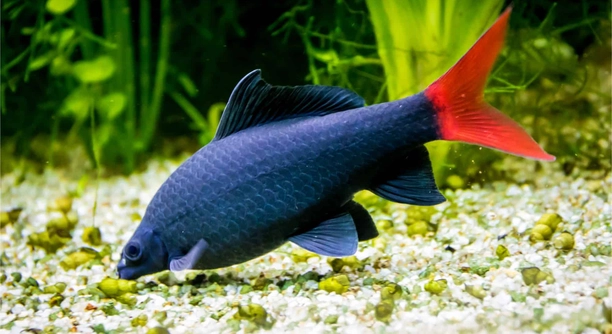
Introducing new fish to a tank with a Rainbow Shark requires care and attention. Proper steps help maintain a peaceful environment and ensure all fish coexist safely. Knowing how to add new fish correctly can prevent stress and health issues.
Introducing new fish to a Rainbow Shark’s tank should be done gradually and carefully. Quarantine new fish first to avoid diseases. Acclimate them slowly to the tank’s water conditions. Monitor interactions closely to prevent aggression and stress among the fish.
Following these steps can help keep your aquarium healthy and balanced. Each method plays a role in protecting both your Rainbow Shark and new tank mates. This guide explains practical ways to introduce fish safely.
Quarantine New Fish Before Introducing Them
Quarantining new fish is essential to protect your Rainbow Shark and existing tank mates. New fish can carry diseases or parasites that are not visible right away. Keeping them separate for about two weeks allows you to observe any signs of illness without risking the whole tank. During this time, watch for unusual behavior or spots that could indicate health problems. Proper quarantine also gives the new fish a chance to adjust to similar water conditions, making their transition smoother. This step is often overlooked but plays a big role in maintaining a healthy aquarium. By isolating new arrivals first, you prevent potential outbreaks and stress in your established community. Using a separate quarantine tank or container is the safest method. Make sure to keep the water clean and stable during this period. After quarantine, new fish are better prepared to join the main tank, reducing risks for everyone.
Quarantine prevents disease spread and helps new fish adjust before mixing with the Rainbow Shark and other fish.
Taking time to quarantine new fish reduces health risks and promotes a smoother introduction. It is a simple but critical step. By doing this, you avoid common problems that arise from immediate mixing. Quarantine helps maintain water quality since sick fish may produce toxins or waste. It also lets you treat illnesses without affecting other fish. Some illnesses take time to show symptoms, so quarantine helps catch these early. This careful approach reduces stress on all fish. Once the quarantine period ends and fish are healthy, you can introduce them with more confidence. Clean the quarantine tank between uses to avoid cross-contamination. This practice supports a stable and thriving aquarium environment for your Rainbow Shark and new tank mates.
Acclimate Fish Slowly to the Tank Conditions
Acclimation is key to helping new fish adjust to your tank’s water temperature, pH, and other conditions. Sudden changes can shock fish and cause stress or illness. Start by floating the sealed bag with the new fish in the tank water for about 15 to 20 minutes. This equalizes the temperature. Then, gradually add small amounts of tank water into the bag over the next hour. This process helps the fish get used to the new water chemistry slowly. Avoid pouring the bag water directly into the tank to reduce contamination risk. Slow acclimation gives fish a better chance to adapt, reducing shock and increasing survival rates.
Take your time during acclimation to help fish transition smoothly without stress.
Introducing new fish abruptly to different water conditions can cause severe health issues. Fish need to adjust to changes in temperature, pH, and hardness. Sudden shifts affect their metabolism and immune systems. Gradual acclimation reduces these risks. It’s helpful to use drip acclimation when possible, where tank water is slowly dripped into the container holding the new fish. This method is gentler and more effective. Monitoring the fish closely during this process allows you to notice any signs of distress early. Proper acclimation reduces the chance of illness and improves the overall health of your tank community. This careful approach supports the Rainbow Shark’s peaceful coexistence with new fish.
Monitor Fish Behavior Closely
Watching how your Rainbow Shark and new fish interact is vital. Aggressive behavior can start quickly, and early detection helps prevent injuries.
Fish can act territorial or stressed when new tank mates arrive. Rainbow Sharks are known for being somewhat aggressive, especially toward similar-shaped fish. Keep a close eye on chasing, nipping, or hiding. Sometimes, minor aggression settles as fish establish boundaries, but persistent attacks require intervention. Rearranging tank decorations can break sightlines and reduce aggression. If aggression continues, separating fish temporarily may be necessary. Note changes in appetite or appearance, as stress weakens immunity. Recording behavior daily can help track progress and decide when the new fish are ready to stay permanently in the tank.
Maintaining harmony means recognizing early signs of conflict and addressing them promptly. A peaceful tank benefits all fish, reducing stress and supporting health.
Provide Plenty of Hiding Spaces
Hiding spots give new and existing fish places to retreat and feel safe. This lowers stress and reduces aggressive encounters.
Using rocks, plants, and decorations creates natural barriers and shelters. Rainbow Sharks prefer open swimming areas but need places to hide when threatened. Dense plants or caves offer refuge for timid fish, helping them feel secure. Without enough cover, new fish may become targets of aggression or hide excessively, which affects feeding and health. Proper tank decoration also mimics a natural environment, promoting natural behaviors. Changing the layout before adding new fish prevents established territories and provides fresh boundaries. Adding hiding spaces encourages peaceful coexistence and makes the aquarium more interesting to watch.
A well-structured tank supports social balance and improves the wellbeing of your Rainbow Shark and tank mates.
Feed Fish Before Introducing New Tank Mates
Feeding your Rainbow Shark before adding new fish helps reduce aggression. A well-fed fish is less likely to see newcomers as competition.
Hunger can increase territorial behavior. By offering food beforehand, you lower the chance of immediate chasing or nipping. This simple step promotes a calmer environment when new fish enter.
Introduce New Fish During Tank Lights On
Adding new fish while the tank lights are on helps everyone see each other clearly. This can reduce surprise and sudden aggressive reactions.
Fish are more alert with lights on, which can encourage quicker acceptance of newcomers. It also lets you monitor their behavior immediately.
Avoid Overcrowding the Tank
Overcrowding increases stress and aggression among fish. A properly sized tank with fewer fish promotes peaceful interactions.
Giving your Rainbow Shark and new fish enough space allows each to have its own territory. Crowded tanks cause competition for resources and hiding spots, leading to tension. Managing the number of fish keeps the environment stable and healthy for everyone.
Perform Regular Water Changes
Maintaining clean water is essential to fish health. Regular water changes help reduce stress and illness in the tank.
FAQ
How long should I quarantine new fish before adding them to the Rainbow Shark’s tank?
Quarantine for at least two weeks is recommended. This period allows you to watch for any signs of illness or parasites without risking your main tank. It also helps new fish adjust to water conditions gradually, making the transition smoother.
Can I add more than one fish at the same time?
Yes, adding multiple fish together can sometimes reduce aggression because no single new fish feels targeted. However, make sure the tank is large enough to accommodate all fish comfortably. Follow quarantine and acclimation steps carefully for each.
What signs of aggression should I watch for?
Chasing, nipping at fins, hiding, and stress-related behavior like loss of appetite or color changes are common signs. Some territorial behavior is normal but persistent attacks or injuries need intervention. Rearranging tank décor can help reduce aggression.
Is it necessary to acclimate fish slowly?
Yes, slow acclimation helps fish adjust to differences in temperature, pH, and hardness. Sudden changes can cause shock or illness. Floating the bag and gradually adding tank water to it over an hour is a simple and effective method.
What if my Rainbow Shark is too aggressive?
If aggression continues despite precautions, consider providing more hiding spots or rearranging decorations. Sometimes separating the fish temporarily helps. Also, ensure the tank is not overcrowded and that your Rainbow Shark is well-fed.
How often should I perform water changes when introducing new fish?
More frequent water changes during the introduction period help maintain water quality and reduce stress. Aim for 20-30% weekly, or more if the tank shows signs of poor water conditions. Clean water supports fish health.
Can different species of fish live peacefully with a Rainbow Shark?
Yes, many species can coexist peacefully if introduced properly. Avoid fish that resemble Rainbow Sharks or are very small and slow, as these may be targets for aggression. Research compatibility before adding new tank mates.
Why does my Rainbow Shark chase new fish immediately?
Chasing is a natural territorial response, especially with new fish entering its space. This behavior often decreases as fish settle and establish boundaries. Quick intervention is necessary if chasing becomes aggressive or harmful.
Do hiding places really make a difference?
Yes, hiding spots help reduce stress and aggression. They give new fish safe zones to retreat and help break sightlines that can trigger territorial disputes. Proper tank décor improves overall tank harmony.
What’s the best way to feed the tank during introductions?
Feed your fish before adding new tank mates to reduce competition. Offer small, frequent meals to keep everyone calm and well-nourished. Avoid overfeeding to prevent water quality issues.
How long should I watch new fish after introducing them to the tank?
Keep a close watch for at least one to two weeks. During this time, monitor behavior and health daily. Early detection of problems helps prevent injuries and illness. Adjust care based on how fish interact.
What should I do if a new fish appears sick after introduction?
Immediately isolate the sick fish to prevent spreading disease. Test water quality and consider treatment if needed. If quarantine wasn’t done, assess your quarantine process for future introductions to avoid this risk.
Can tank size affect how well fish get along?
Definitely. Larger tanks offer more space, which helps reduce aggression and stress. Overcrowded tanks create competition for resources and hiding spots, leading to conflicts. Choose a tank size appropriate for the number and size of fish.
Is it okay to rearrange the tank after adding new fish?
Yes, rearranging décor can help reduce aggression by disrupting established territories. Doing this just before or after adding new fish encourages them to explore and find new hiding spots, which promotes peace.
What water parameters are best for Rainbow Sharks and new fish?
Rainbow Sharks thrive in water with a pH of 6.5-7.5 and temperatures between 74-81°F (23-27°C). New fish should have similar requirements. Keeping water stable and clean during introduction reduces stress and health risks.
Final Thoughts
Introducing new fish to a tank with a Rainbow Shark requires patience and careful steps. Rushing the process can lead to stress, illness, or aggression, which affects the health of all fish. Following key practices such as quarantining, slow acclimation, and monitoring behavior helps ensure a smooth transition. Each step has a clear purpose: protecting fish health, reducing stress, and promoting peaceful coexistence. Taking the time to prepare your tank and new fish properly is an investment in a healthy aquarium environment.
Creating a balanced tank means paying attention to the needs of both your Rainbow Shark and the new additions. Providing enough space, hiding spots, and proper feeding reduces competition and aggression. It is important to recognize that Rainbow Sharks can be territorial, so extra care is needed when introducing new fish. By observing interactions and adjusting the environment as needed, you can prevent many common problems. Maintaining clean water through regular changes also supports fish wellbeing and helps avoid illness.
Ultimately, patience and careful planning make all the difference when adding new fish. No single method guarantees success, but combining quarantine, acclimation, tank setup, and monitoring increases the chances of harmony. These simple steps protect your Rainbow Shark and new fish, allowing them to thrive together. Being attentive to their behavior and health leads to a more enjoyable and lasting aquarium experience. Taking these measures helps keep your aquatic community safe and healthy over time.

Hello,
If you enjoy the content that we create, please consider saying a "Thank You!" by leaving a tip.
Every little bit helps us continue crafting quality advice that supports the health, happiness, and well-being of pets around the world, for pets of all shapes, sizes, and species.
We really appreciate the kindness and support that you show us!