
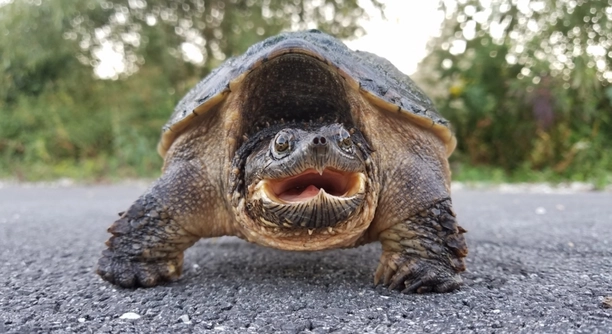
Maintaining the right humidity in a Common Snapping Turtle tank is essential for their health and well-being. It helps them stay hydrated and supports their overall habitat needs. Learning how to properly manage humidity levels is key.
Increasing humidity in a Common Snapping Turtle tank can be done by adjusting tank setup, misting, and using proper substrate. A humidity gauge will help monitor levels, ensuring the environment stays within the optimal range for the turtle’s comfort and health.
By making simple changes to the tank setup, you can ensure your turtle thrives in a healthy, humid environment. Each adjustment plays a vital role in replicating a more natural habitat for your pet.
Adjust the Tank’s Location
The location of your turtle’s tank can greatly affect humidity levels. Tanks placed in areas with high air circulation or near vents and windows often experience lower humidity. Consider moving the tank to a more stable, enclosed space. A corner or a spot that avoids direct drafts and sunlight will help retain moisture more effectively. Avoid placing the tank near heaters, air conditioners, or windows that can lead to temperature and humidity fluctuations.
By placing your tank in a quieter area, you can create a more stable environment. Ensure there is no direct exposure to wind or sunlight, as this will cause moisture to evaporate quickly. Try to keep the tank away from other household activities or areas that experience temperature swings. With the right positioning, your snapping turtle will enjoy a consistent humidity level.
A good spot for your turtle’s tank might be away from high-traffic areas but in a room that still provides enough warmth. The more stable the surrounding temperature, the better it is for maintaining the right humidity levels for your turtle’s habitat.
Use a Humidifier
A simple and effective way to increase humidity is to use a humidifier. This will help keep the tank’s air moist, especially in dry indoor environments. Humidifiers can be placed near the tank or used in the room where the tank sits.
Humidifiers work by releasing water vapor into the air, which raises the humidity level in the tank. Choosing a model that has adjustable settings will allow you to maintain the right moisture balance for your snapping turtle. Some models even have automatic humidity control, so they will turn on or off based on the tank’s conditions.
Make sure to clean the humidifier regularly to avoid mold or bacteria buildup. Too much moisture can also lead to health problems for your turtle. Keep an eye on the humidity level to ensure it doesn’t become excessive. A humidifier can significantly help in keeping the environment ideal for your turtle.
Mist the Tank Regularly
Misting the tank with water is a quick and easy way to increase humidity. It’s best to do this in the morning or after the tank lights have been turned on, allowing the humidity levels to stabilize for the day. A fine mist works best to avoid over-saturation.
You can use a spray bottle to gently mist the tank’s air and surfaces. Be sure to avoid spraying directly on the turtle, as they may not enjoy it. This method helps maintain moisture in the tank and can be used multiple times a day depending on the humidity levels.
It’s important not to overdo it with misting. Too much water can create excess moisture that could lead to mold or bacteria growth. Use a hygrometer to monitor humidity and adjust your misting schedule accordingly. Proper misting ensures a healthy balance for your snapping turtle.
Choose the Right Substrate
The type of substrate in your turtle’s tank can have a big impact on humidity. Substrates like coconut husk, sphagnum moss, or orchid bark are great for holding moisture. Choose one that retains water well while also being easy to clean.
A substrate that holds water helps create a more humid environment. Coconut husk or sphagnum moss can be dampened before placing them in the tank. These materials are also beneficial for your turtle’s natural behavior, as they mimic the type of substrate found in their wild habitats.
When selecting a substrate, make sure it’s safe for your turtle. Avoid using sand or gravel, which don’t retain moisture well and may cause discomfort. Dampening your chosen substrate helps maintain consistent humidity without making the tank excessively wet.
Add a Water Feature
A water feature, like a shallow pool or waterfall, can help maintain higher humidity levels. The water’s surface evaporation naturally increases moisture in the air, which benefits the turtle’s environment. Keep the water feature clean and free of debris to avoid water quality issues.
Adding a water feature can also enhance the aesthetic of your turtle’s tank. It mimics the natural habitat of snapping turtles, where they often live near ponds or shallow lakes. Be sure to monitor water levels and cleanliness to prevent unwanted buildup and maintain a healthy environment for your turtle.
Use a Tank Lid or Cover
A tank lid or cover can help trap moisture inside the tank, preventing it from evaporating too quickly. It helps create a more stable environment by reducing humidity loss and maintaining a consistent climate. Make sure there is enough ventilation for airflow.
When using a tank lid, ensure it’s made from a material that allows proper air circulation. While trapping moisture is beneficial, stagnant air can cause health issues. A lid with small holes or a mesh cover is ideal to balance humidity while still letting the air flow freely for your turtle’s well-being.
FAQ
How do I know if the humidity in my turtle’s tank is too low?
If the humidity in your turtle’s tank is too low, you may notice your turtle becoming less active or showing signs of dehydration, such as dry skin or a dull shell. The substrate might also look dry and the air inside the tank will feel stuffy. A hygrometer can help you monitor the humidity level, which should ideally stay between 70% and 80%. If the humidity is too low, you will need to increase moisture through methods like misting, using a humidifier, or adjusting the tank setup.
What is the best way to raise humidity in the tank without making it too damp?
The key is to maintain a balance. Misting the tank lightly a few times a day will help, but you should avoid excessive moisture. A substrate like coconut husk or sphagnum moss can be used, as these materials retain water without making the tank too wet. A humidifier also works well to add moisture without over-saturating the environment. Regularly checking the humidity with a hygrometer will help prevent it from becoming too high or low.
Can I use a regular household humidifier for my turtle’s tank?
Yes, you can use a regular household humidifier, but it’s best to place it near the tank without direct contact. A humidifier with adjustable settings allows you to control the level of moisture released into the air, making it easier to maintain the right humidity range. Be sure to clean the humidifier regularly to prevent mold or bacteria from growing, as this can harm your turtle.
Should I use a tank lid to help with humidity?
Using a tank lid can definitely help maintain humidity, as it traps moisture inside the tank. However, it’s important to make sure the lid still allows some airflow. A fully sealed tank can lead to stagnant air, which could cause other problems for your turtle’s health. Consider using a mesh or perforated lid that allows air exchange while still containing moisture. Ensure the tank is well-ventilated to maintain a healthy balance.
Can a water feature help raise humidity levels in the tank?
Yes, a water feature like a shallow pool or waterfall can help raise humidity in your turtle’s tank. As the water evaporates, it adds moisture to the air. Be sure to clean the water feature regularly to prevent bacteria buildup, which could negatively affect the water quality and your turtle’s health. You should also monitor the water level to prevent it from becoming too low, which could cause the humidity to drop.
How often should I mist the tank to maintain humidity?
The frequency of misting depends on your tank’s humidity levels. Generally, misting 1-2 times per day should be enough, but you may need to adjust based on the humidity readings. If the tank feels dry or the humidity level drops below 70%, misting more frequently can help raise it. Be careful not to over-mist, as too much water can create mold or mildew problems in the tank.
Can I use plants to help increase humidity in the tank?
Live plants can help increase humidity by releasing moisture into the air through a process called transpiration. Plants like ferns or moss are especially good at holding moisture, which can help maintain the right humidity level in your turtle’s tank. Choose plants that are safe for your turtle and can tolerate the water and humidity conditions of the tank. Live plants also provide hiding spots and improve the overall aesthetic of the habitat.
What should I do if the humidity in my turtle’s tank gets too high?
If the humidity gets too high, you may notice excess moisture on the tank walls or substrate, and the air can become overly damp. To reduce humidity, you can increase ventilation by opening the tank lid slightly or adding more air holes. You can also remove any excess water in the tank or reduce misting frequency. It’s important to monitor the humidity closely using a hygrometer, as high humidity can lead to mold growth, which can be harmful to both your turtle and the tank environment.
Is it safe to use a heat lamp in a high-humidity tank?
Yes, it’s safe to use a heat lamp in a high-humidity tank as long as it’s positioned properly and doesn’t cause the tank to dry out. A heat lamp helps maintain the right temperature for your turtle while also providing warmth for basking. However, be cautious not to place the heat lamp too close to the water or damp areas, as it can cause the humidity to fluctuate or dry out the environment. Make sure to check that the tank stays within the ideal temperature and humidity ranges.
Can too much humidity harm my snapping turtle?
Yes, excessive humidity can harm your snapping turtle if it leads to conditions like mold or bacteria growth. Too much moisture can also create a damp, stagnant environment, which can negatively affect your turtle’s health by increasing the risk of respiratory issues or shell rot. It’s important to maintain a balanced humidity level between 70% and 80% to ensure a healthy environment. Using a hygrometer to monitor the levels will help you avoid any problems related to high humidity.
Final Thoughts
Maintaining the right humidity in your snapping turtle’s tank is crucial for its overall health and well-being. It’s not just about creating a comfortable environment but also supporting the turtle’s natural behaviors. Humidity plays a vital role in regulating hydration, aiding in shedding, and preventing skin or shell problems. If you don’t manage humidity properly, it can lead to issues like dehydration, respiratory problems, or fungal growth. Taking the time to adjust the tank’s setup and regularly check humidity levels will help ensure your turtle remains happy and healthy in its habitat.
There are various ways to increase humidity in the tank, from simple methods like misting the tank and using a humidifier to adding water features or adjusting the substrate. Each method can work on its own or in combination, depending on your tank’s needs. It’s essential to find the right balance to avoid over-saturating the environment. A hygrometer is a useful tool to monitor the humidity, and adjusting your approach based on its readings will help maintain the ideal range for your turtle. Pay attention to changes in your turtle’s behavior, as they can give you important clues about the tank’s conditions.
Ultimately, creating a suitable environment for your snapping turtle goes beyond humidity. Temperature, water quality, and space are also crucial factors. By considering all aspects of the habitat and making adjustments as needed, you can ensure that your turtle lives in a healthy and comfortable home. With the right care and attention, your turtle will thrive, and you’ll enjoy watching it flourish in its well-maintained environment.

Hello,
If you enjoy the content that we create, please consider saying a "Thank You!" by leaving a tip.
Every little bit helps us continue crafting quality advice that supports the health, happiness, and well-being of pets around the world, for pets of all shapes, sizes, and species.
We really appreciate the kindness and support that you show us!