
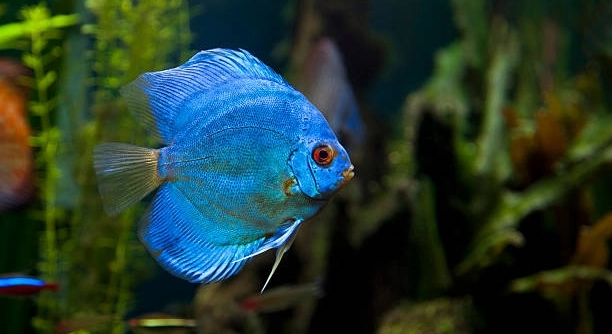
Many discus fish owners want to keep their tanks healthy and their fish confident. Creating a calm and suitable environment helps discus feel secure. This article will explore ways to improve their comfort and well-being in home aquariums.
Increasing discus confidence in tanks involves maintaining stable water conditions, providing adequate hiding spaces, reducing stress factors, and ensuring a balanced diet. Proper tank size and compatible tank mates also play crucial roles in fostering a secure environment.
These simple changes can lead to noticeable improvements in your discus fish’s behavior and health, making tank care more rewarding and enjoyable.
Stable Water Conditions Are Essential
Maintaining stable water conditions is one of the most important steps to help discus fish feel comfortable in their tanks. These fish are sensitive to changes in temperature, pH, and water hardness. Sudden shifts can stress them and lower their confidence. Using a reliable heater and a good water testing kit helps monitor conditions closely. Regular water changes keep the tank clean and reduce harmful substances like ammonia and nitrates. It’s also important to avoid overcrowding, as too many fish can increase waste and stress. Keeping the water clean and stable mimics their natural environment, which encourages natural behavior and calmness.
Testing the water regularly and keeping parameters steady creates a safe space for discus to thrive. Small adjustments can make a big difference in their comfort.
When water quality is consistently maintained, discus fish show more active swimming, better coloration, and less hiding. Stable conditions reduce the risk of illness, making your tank easier to care for overall.
Provide Plenty of Hiding Spots
Discus fish need hiding places to feel secure and reduce stress.
Adding plants, driftwood, and caves in the tank offers them spots to retreat when feeling nervous. These shelters help discus rest and avoid aggressive tank mates. Hiding spots also encourage natural exploration and make the tank environment more interesting. When discus have places to hide, they are more likely to display confident and healthy behaviors. Avoid overcrowding decorations so fish can swim freely while having safe spaces nearby. A well-decorated tank not only looks better but also supports the emotional well-being of your discus fish.
Reduce Stress Factors
Stress can weaken discus fish and lower their confidence.
Minimize sudden loud noises or vibrations near the tank, as these can frighten the fish. Keep lighting soft and avoid constant bright light. Avoid frequent tapping on the glass, which can startle them. Also, make sure the tank is in a quiet area away from heavy foot traffic. Keeping the environment calm helps discus feel safe and secure, encouraging natural behavior and better health.
Regularly check water parameters to prevent fluctuations, since poor water quality is a major stress source. Stress reduction is key to building confidence in discus, as it allows them to relax and interact comfortably in their surroundings.
Introducing new fish slowly also reduces stress. Quarantine new additions before adding them to the main tank to prevent disease and aggression. When discus feel safe and undisturbed, they are more likely to thrive and show their full colors.
Balanced Diet Supports Confidence
Feeding discus a varied, nutritious diet improves their health and confidence.
A mix of high-quality flakes, pellets, frozen, and live foods provides essential nutrients. Regular feeding schedules help maintain good digestion and energy. Overfeeding should be avoided to keep water quality high. Proper nutrition supports immune health, reduces disease risk, and promotes bright colors. Healthy discus are more active and confident, swimming openly rather than hiding.
Avoid sudden changes in diet, as discus can be sensitive. Gradually introduce new foods to prevent stress or digestive upset. A well-fed discus will show more natural behaviors and interact positively with their environment.
Choose Compatible Tank Mates
Discus fish do best with peaceful tank mates that won’t stress or compete aggressively.
Avoid aggressive or overly active species that may chase or bully discus. Calm, small fish are ideal companions, as they help keep the environment stable without causing tension.
Maintain Proper Tank Size
A larger tank gives discus more space to swim and establish territory, which helps build their confidence.
Tanks of at least 50 gallons are recommended for a small group. Adequate space reduces stress and aggression, making the fish feel less crowded. This encourages natural behavior and healthy growth. Overcrowding often leads to fights and hiding, so providing enough room supports a balanced, peaceful environment for discus.
Regular Monitoring
Consistently observe your discus for signs of stress or illness to act quickly.
FAQ
How often should I change the water in my discus tank?
Regular water changes are essential for discus health. Changing about 25-30% of the water weekly helps keep the environment clean and stable. Frequent water changes prevent the buildup of harmful toxins like ammonia and nitrites. It also maintains clear water, which helps discus feel more comfortable and less stressed.
What is the ideal temperature for discus fish?
Discus fish thrive in warm water between 82°F and 86°F (28°C to 30°C). Keeping the temperature steady within this range supports their metabolism and immune system. Sudden temperature changes can stress discus and make them vulnerable to illness. Using a reliable aquarium heater and thermometer helps maintain the right temperature.
Can discus fish live with other species?
Discus fish can live with other peaceful, slow-moving fish that tolerate similar water conditions. Avoid aggressive or very active species that may stress discus. Good tank mates include tetras, dwarf cichlids, and Corydoras catfish. Always research compatibility before introducing new fish to prevent conflicts.
How do I know if my discus fish are stressed?
Signs of stress in discus include hiding more than usual, loss of appetite, faded colors, rapid breathing, and unusual swimming patterns. Stressed fish may also rub against objects or show signs of disease. If you notice these behaviors, check water quality and tank conditions immediately.
What is the best diet for discus fish?
A balanced diet for discus includes high-quality flakes or pellets designed for cichlids, supplemented with frozen or live foods like bloodworms, brine shrimp, and daphnia. Variety is important to provide essential nutrients. Feed small amounts 2-3 times a day and avoid overfeeding to maintain water quality.
How big should my discus tank be?
A minimum of 50 gallons is recommended for a small group of discus, around 5-6 fish. Larger tanks reduce stress by giving them more swimming space and room to establish territories. Bigger tanks also help maintain stable water conditions, which discus need to stay healthy.
Why are my discus hiding all the time?
Discus hiding often signals stress or discomfort. Possible reasons include poor water quality, inappropriate tank mates, sudden changes in the environment, or insufficient hiding spots. Improving water parameters and adding plants or decorations can encourage discus to swim more confidently.
How long do discus fish live?
With proper care, discus fish can live 10 to 15 years. Good water quality, stable temperature, balanced diet, and low stress levels contribute to their lifespan. Regular observation and maintenance help prevent health issues and keep discus thriving for many years.
Is it necessary to quarantine new fish before adding them to the discus tank?
Yes, quarantining new fish for at least two weeks is important to prevent disease introduction. Quarantine helps monitor the new fish for signs of illness and allows time for treatment if needed. This protects your discus and keeps the main tank safe.
How do I encourage shy discus to become more confident?
Create a calm environment with stable water conditions and plenty of hiding places. Avoid sudden movements or loud noises around the tank. Feed regularly and offer a varied diet. Over time, discus will feel safer and start exploring more openly, showing their true colors and natural behavior.
Creating a comfortable and confident environment for discus fish takes some care and attention, but the results are worth it. These fish are sensitive and need stable water conditions, proper tank size, and peaceful tank mates to thrive. Maintaining clean water with regular changes and steady temperature is a key foundation for their health. When discus feel secure, they are less likely to hide and more likely to display bright colors and active swimming. Taking the time to set up the tank right from the start can save frustration and promote a healthier, happier aquarium.
Providing hiding spots and reducing stress are also important parts of keeping discus confident. Plants, driftwood, and caves give them places to retreat when needed. This sense of security helps reduce stress and encourages natural behaviors. Stress can cause health problems and weaken their immune system, so minimizing sudden noises, avoiding aggressive tank mates, and keeping the environment calm all contribute to better well-being. Feeding a balanced diet with variety supports their energy and coloration. Healthy discus fish are more resilient and better able to adapt to their tank surroundings.
Watching your discus grow more confident and active is a rewarding experience. It shows that your efforts to maintain the right conditions and care are working. Patience and consistency are important because discus may take time to adjust, especially if they are new to your tank. Regular monitoring of water quality, behavior, and feeding habits can help you catch any problems early. When you provide a stable, peaceful home, discus can live long, healthy lives and bring beauty to your aquarium for years to come.

Hello,
If you enjoy the content that we create, please consider saying a "Thank You!" by leaving a tip.
Every little bit helps us continue crafting quality advice that supports the health, happiness, and well-being of pets around the world, for pets of all shapes, sizes, and species.
We really appreciate the kindness and support that you show us!