
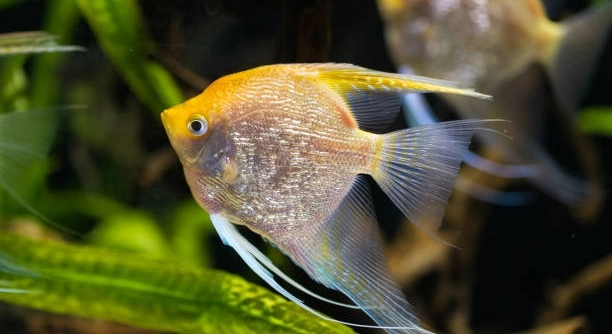
Bonding with your angelfish can be a rewarding experience. With some patience and understanding, you can build a stronger connection with these beautiful creatures. This guide offers simple and effective methods to strengthen the bond between you and your fish.
Creating a stronger bond with your angelfish involves offering a stable environment, interacting regularly, and understanding their needs. Consistency in feeding, gentle handling, and providing enriching tank conditions can foster trust and a lasting connection with your pet fish.
Through consistent care and attention, you can develop a meaningful relationship with your angelfish. These tips will help ensure your fish’s well-being while deepening the connection between you and your aquatic companion.
1. Set Up the Right Tank Environment
The first step in building a strong bond with your angelfish is to provide the right environment. Angelfish thrive in a well-maintained tank with stable water conditions. A clean tank not only promotes their health but also encourages comfort and trust. Ensure the water temperature is consistent, the pH is balanced, and the filtration system works well. Regular water changes are essential to keep the fish healthy and happy.
Adding plants and hiding spots can also make your angelfish feel secure. They are naturally shy, so offering places where they can retreat when needed helps reduce stress. A calm and clean environment makes it easier to bond with them and watch their true behavior unfold.
When your angelfish feels safe in its tank, it will start to approach you more frequently. Maintaining optimal tank conditions will build trust and make your fish more interactive over time.
2. Consistent Feeding Routine
Feeding your angelfish regularly at the same time each day establishes a sense of routine. This regularity not only helps them feel more secure but also strengthens their bond with you. They will come to associate you with food, which builds familiarity.
Your fish will start to recognize you when you approach the tank. Offering food at consistent times also allows them to learn that you provide nourishment, reinforcing the trust between you and your angelfish. Just be mindful of how much you feed them to avoid overfeeding or underfeeding.
3. Spend Time Near the Tank
Spending time near your angelfish’s tank allows them to get used to your presence. The more they see you, the more comfortable they will become. Try sitting by the tank for short periods every day, so they don’t feel threatened by your movements.
With time, they will start to approach the glass when they see you. This increased comfort indicates that they are recognizing you as part of their routine. Try not to make sudden movements or loud noises while sitting near the tank, as this can still startle them.
Patience is key here. Your angelfish will slowly grow accustomed to your presence, and the trust will grow as they begin to swim near you. Over time, you’ll notice a positive change in their behavior as they become more familiar with you.
4. Avoid Sudden Movements
Sudden movements can startle your angelfish, making it harder to build a bond. Keep your movements slow and steady when interacting with them. This helps them feel safe and not threatened. Quick movements can cause stress, which may push your angelfish away.
When feeding or cleaning the tank, ensure your movements are calm. Over time, your angelfish will associate your presence with less stress and more positive experiences. Keeping the atmosphere relaxed in their tank will result in a more trusting relationship. Your angelfish will be more willing to come closer and even interact with you.
If you accidentally startle them, give them a moment to recover before continuing your activities. Consistency in your calm behavior will help them feel secure and connected.
5. Use the Right Tank Mates
Choosing the right tank mates for your angelfish is crucial. Avoid aggressive fish that may stress them out. Peaceful species that don’t invade their space are the best choice for building a positive environment.
When your angelfish feels safe and undisturbed by others, it will show more trust and interest in you. Keep an eye on their behavior and make adjustments if needed. Adding compatible tank mates will allow your angelfish to feel secure, making bonding easier. Monitor the tank for any signs of stress, and ensure everyone is getting along.
6. Gentle Handling
Handling your angelfish should be done with care and only when necessary. Avoid grabbing or startling them, as this can harm the bond you’re working to build. Use a gentle net if you need to move them, and always be calm.
Over time, they’ll get used to your hands in the water. The gentler and more patient you are, the more they will feel comfortable being close to you. Always prioritize their safety and avoid making handling a regular occurrence. This approach encourages trust while minimizing stress.
FAQ
How long does it take to bond with an angelfish?
Building a bond with your angelfish can take time, typically anywhere from a few weeks to a couple of months. The key is consistency and patience. Regularly interacting with your fish, maintaining a stable tank environment, and following the other steps mentioned will speed up the process. Every angelfish is different, so some may warm up to you faster than others. It’s important to avoid rushing, as trust builds gradually over time.
Can I train my angelfish to come when called?
While you may not be able to train your angelfish in the same way you would a dog, they can become familiar with your presence and associate you with feeding time. Over time, you may notice them swimming closer when you approach the tank or even swimming to the surface when you feed them. This behavior shows that they have learned to recognize you and expect food, a form of positive reinforcement.
Do angelfish like to be petted?
Angelfish generally do not enjoy being petted in the same way pets like cats or dogs do. While they can become accustomed to your presence and may allow you to interact with them, they don’t have the same desire for physical contact. Petting an angelfish could stress it out, so it’s best to focus on developing a bond through observation, feeding, and calm interactions.
Why is my angelfish hiding from me?
Angelfish are naturally shy creatures, and it’s common for them to hide, especially when they’re new to a tank or an unfamiliar environment. Stress from changes in the water conditions, tank mates, or sudden movements can cause them to seek shelter. Give them time to adjust, and avoid disturbing them too much during this phase. Over time, as they become more comfortable, they will start to swim out and explore.
Should I talk to my angelfish?
Talking to your angelfish may seem odd, but they can become accustomed to the sound of your voice. While they won’t understand the words, the sound can serve as a reassuring presence. Speaking in a calm, quiet voice while feeding or spending time by the tank can help build familiarity. This creates a positive association with your presence, even if they don’t respond directly.
Is it safe to hand-feed my angelfish?
Hand-feeding can be a great way to bond with your angelfish. However, it’s important to approach this cautiously. Start by offering food with your hand, but be patient and allow the fish to become accustomed to your movements. Some angelfish may be hesitant at first, while others may quickly take food from your fingers. Always wash your hands thoroughly before feeding to avoid introducing harmful chemicals into the tank.
Can I put more than one angelfish in the same tank?
Angelfish are territorial, so it’s essential to carefully consider the tank size and the number of fish. A larger tank will give them more space to establish their territories. When keeping multiple angelfish, it’s best to have a balanced male-to-female ratio, as multiple males can lead to aggression. If possible, add them to the tank at the same time to reduce territorial disputes. Watch for signs of aggression, such as fin nipping, and be ready to separate them if needed.
What’s the best food for angelfish?
Angelfish are omnivores and will thrive on a varied diet. Offer high-quality flake food as a base, but supplement it with live or frozen foods like bloodworms, brine shrimp, or daphnia. You can also provide vegetables like spinach or zucchini. A balanced diet ensures that your angelfish stays healthy, active, and happy, which contributes to a positive relationship with you.
Can angelfish live with other fish?
Yes, angelfish can live with other species as long as their tank mates are peaceful and not too aggressive. Angelfish tend to get along well with fish that are similarly sized and won’t compete for space or food. Avoid putting them with fin-nipping fish, as this can cause stress and injury. Fish like tetras, corydoras catfish, and mollies are generally safe companions.
Why does my angelfish swim in circles?
Swimming in circles or pacing can be a sign of stress. It might happen if your angelfish is feeling confined or uncomfortable in the tank. Check the water conditions and ensure there are no issues with the filtration system or water parameters. If you have other fish in the tank, ensure they aren’t harassing the angelfish. If the behavior continues, it might be worth considering additional space or hiding spots in the tank.
Final Thoughts
Building a bond with your angelfish takes time and patience. These fish are naturally shy, and they require a calm and stable environment to feel comfortable around you. It’s important to focus on maintaining a proper tank setup, as water quality, temperature, and space play significant roles in how your angelfish behaves. When the environment is right, they will begin to trust you more. It’s also important to interact with your angelfish consistently but gently. Avoid sudden movements that might cause stress, and keep interactions calm and relaxed.
Feeding your angelfish at regular times and in the same place helps establish a routine that they will begin to recognize. This makes them more likely to approach you during feeding time. Hand-feeding can also strengthen the bond between you and your fish, but be patient as they might be hesitant at first. Over time, as they become more comfortable with your presence, they may even take food directly from your hand. Watching them grow more confident is a rewarding part of this process.
Ultimately, bonding with angelfish is about patience and consistency. As you spend more time with them, observing their behavior and adjusting to their needs, your relationship will grow stronger. While angelfish may never be as interactive as some pets, the connection you form will be special in its own way. Keep providing them with a safe and stable home, and they will gradually come to trust you. Whether they swim near the surface when you approach or recognize you as a source of food, these small signs of affection are the fruits of your effort.

Hello,
If you enjoy the content that we create, please consider saying a "Thank You!" by leaving a tip.
Every little bit helps us continue crafting quality advice that supports the health, happiness, and well-being of pets around the world, for pets of all shapes, sizes, and species.
We really appreciate the kindness and support that you show us!