
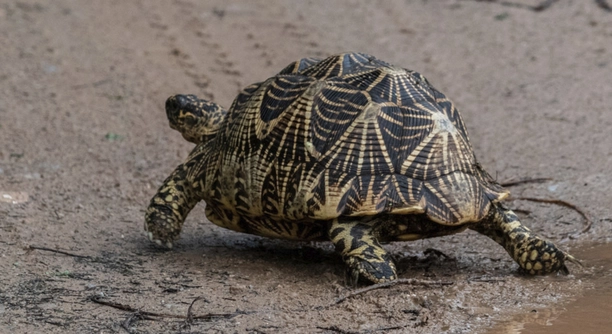
Socializing your Star Tortoise is an essential part of ensuring its happiness and well-being. Building trust and understanding can make a big difference in the way it interacts with its environment and you.
To improve your Star Tortoise’s socialization, it’s crucial to focus on positive interaction, routine handling, and providing a safe, enriched environment. Gradually allowing your tortoise to explore new spaces can help foster a better relationship and reduce stress.
Learning about the small adjustments you can make will create a more comfortable and enjoyable experience for both you and your tortoise. Let’s explore how simple changes can enhance your tortoise’s socialization journey.
Create a Safe and Comfortable Habitat
Creating a secure, comfortable habitat for your Star Tortoise is key to socializing it. It’s essential to ensure that its living space is spacious, clean, and has all the necessary elements for its well-being. A proper habitat includes a warm, dry area for basking and a cooler, moist area for hiding. When setting up, remember that Star Tortoises are naturally shy, so a quiet, calm environment will help reduce any stress. Avoid placing them in noisy, high-traffic areas of your home, as this can cause anxiety.
This setting will allow your tortoise to feel safe and secure, building trust with its surroundings.
Adding hides or sheltering spots is also beneficial. By giving your tortoise a place to retreat to, it can feel less exposed and more willing to interact when it feels ready. Keep the habitat clean by removing waste regularly, and provide a variety of textures, such as logs, rocks, and plants for climbing and exploring. Over time, a well-kept habitat will become a space where your tortoise can relax and grow more comfortable around you.
Establish a Routine for Handling
Routine is important in making your Star Tortoise feel secure.
Consistency helps your tortoise know what to expect, making it easier for them to adjust to handling.
Handle your tortoise gently and briefly at first, allowing it to get used to your presence. Over time, you can gradually increase the amount of time spent interacting. Make sure to support the tortoise properly, avoiding sudden movements that might startle it. Always be calm and patient, as this will build a foundation of trust and understanding, making your tortoise more comfortable with being handled. The more predictable the routine, the more confident your tortoise will become.
Provide Proper Nutrition
A well-balanced diet can play a significant role in improving your tortoise’s overall mood and willingness to interact. Offering a variety of leafy greens, flowers, and vegetables helps to keep your tortoise healthy and satisfied. Nutritional variety also ensures that your tortoise receives the vitamins and minerals it needs to thrive.
Incorporating a mix of high-fiber, calcium-rich, and nutrient-dense foods will support its energy levels and overall health. Try offering dandelion greens, clover, and hibiscus flowers, all of which are excellent options for a healthy diet. Avoid high-protein foods that may disrupt digestion or cause imbalances. Fresh water should always be available to keep your tortoise hydrated and active.
A healthy tortoise is a happy tortoise, and proper nutrition will encourage more natural behaviors, making it easier to build a positive relationship. Just be sure to monitor their food intake to avoid overeating, which could lead to obesity or digestive problems.
Be Patient and Gentle
It takes time for a Star Tortoise to adjust to new experiences and handling.
Patience is essential in the process of building trust.
Approach your tortoise gently, and avoid forcing it into situations where it may feel overwhelmed. Each tortoise has its own pace, and respecting its comfort zone is crucial. Gradually increasing the duration of interactions and providing positive reinforcement can help it grow more comfortable with you. If your tortoise seems stressed, it’s best to back off and give it space.
By consistently using gentle handling and remaining calm, you help create an environment where your tortoise feels safe and more willing to engage. Over time, your tortoise will become more accustomed to your presence, allowing for smoother interactions.
Allow Exploration and Freedom
Allowing your Star Tortoise to explore safely outside of its habitat can boost its confidence.
A larger, controlled space gives your tortoise the opportunity to exercise and explore.
Providing access to different environments allows your tortoise to encounter new sights and textures, which can help build its curiosity and ease with you. It also encourages natural behaviors such as foraging and moving around freely. Always supervise these outdoor sessions to ensure safety from any potential hazards like predators or sharp objects. Regular exposure to a variety of safe spaces helps your tortoise feel more comfortable and less stressed.
Minimize Stressful Situations
Minimizing stress is key to ensuring your tortoise feels safe and secure.
Too much handling, loud noises, or sudden changes in environment can cause anxiety.
Maintaining a calm and predictable environment for your tortoise is essential. This will encourage it to feel more relaxed during interactions. Avoid introducing other pets or new people too quickly, as this can make your tortoise uneasy. Reducing factors that may trigger stress ensures that your tortoise can enjoy its time with you without feeling threatened.
Offer Enrichment Activities
Enrichment activities are great for stimulating your tortoise’s mind.
Simple activities, like providing new textures or hiding food, can engage its natural instincts.
Tortoises enjoy foraging for food and exploring different textures. Placing food inside a puzzle feeder or scattering it around the habitat encourages your tortoise to search and explore. Introducing objects like logs or rocks also promotes climbing and mental stimulation. These activities reduce boredom, help with socialization, and contribute to better overall health. Offering variety ensures your tortoise is constantly challenged and engaged, which will also help strengthen the bond between you.
FAQ
How often should I handle my Star Tortoise?
Handling your Star Tortoise should be done gradually, starting with short sessions. Aim for brief handling sessions of 5-10 minutes a few times a week. Over time, you can increase the duration as it becomes more comfortable. Avoid over-handling, as it can stress the tortoise. Always observe its behavior; if it shows signs of distress, give it some space. The goal is to build trust without overwhelming it, and consistency is key to ensuring your tortoise feels safe during interactions.
Can I let my Star Tortoise roam outside the enclosure?
Yes, but with caution. Allowing your tortoise to roam in a safe, controlled space is a great way to encourage exercise and exploration. Ensure the area is free of hazards, such as predators, sharp objects, or dangerous plants. Always supervise your tortoise while it’s outside its habitat to prevent it from wandering off or getting into trouble. Providing an enclosed, safe area with various textures, hides, and food sources will help it feel comfortable and secure while exploring.
What should I do if my tortoise is not eating?
If your tortoise is not eating, it could be due to several factors, such as stress, environmental changes, or illness. Check the temperature and humidity levels in its habitat to ensure they are within the ideal range. Stress from sudden handling or changes in its surroundings can also affect its appetite. If the lack of appetite persists for several days, consult with a reptile veterinarian to rule out any health issues. In the meantime, try offering different types of food to spark interest, and remove any uneaten food to prevent spoilage.
How do I know if my Star Tortoise is stressed?
Signs of stress in a Star Tortoise include hiding more than usual, refusal to eat, excessive movement in the enclosure, or defensive behaviors like biting or withdrawing into its shell. If you notice any of these behaviors, it’s important to assess the environment. Check for factors like temperature, humidity, and disturbances that may be causing stress. Giving your tortoise some alone time in a quiet, comfortable space can help it feel more secure. Regular, calm handling also reduces stress over time.
Can I house multiple Star Tortoises together?
It’s generally not recommended to house multiple Star Tortoises together unless they are of similar size and have enough space to establish their own territories. Star Tortoises can be territorial, and overcrowding can lead to fighting and stress. If you must keep more than one tortoise, ensure that the enclosure is large enough, with plenty of hides and separate areas for each tortoise. Monitoring their interactions closely is also important to prevent aggressive behavior. Male tortoises, in particular, may show territorial tendencies toward each other.
What type of substrate should I use for my Star Tortoise?
The best substrate for a Star Tortoise is a mix of organic soil, coconut coir, and sand. This combination allows for proper drainage and mimics their natural habitat. Avoid using substrates like gravel, which can cause injury, or pine and cedar shavings, which contain oils that can be harmful to reptiles. The substrate should be deep enough to allow for burrowing if your tortoise enjoys that behavior. Regularly clean the substrate and spot clean waste to maintain a healthy environment.
How do I ensure my tortoise is getting enough calcium?
Calcium is crucial for your tortoise’s bone health and shell development. You can provide calcium by dusting its food with calcium powder or offering calcium-rich foods like dark leafy greens (e.g., collard greens, dandelion greens). It’s also important to provide a cuttlebone or other calcium supplements in the enclosure. Make sure your tortoise has access to UVB lighting, as it helps in calcium absorption. Without proper calcium intake, your tortoise can develop metabolic bone disease, so it’s vital to monitor its calcium levels closely.
How can I tell if my tortoise is healthy?
A healthy Star Tortoise should have clear, bright eyes, a smooth, hard shell, and active behavior. Check for any signs of swelling, discharge from the eyes or nose, or any cuts or injuries on the shell. The shell should not have any soft spots or deformities, which can indicate a health issue. A healthy tortoise will also be eating regularly and moving around its enclosure without signs of lethargy or distress. If you notice any abnormalities, consult with a veterinarian experienced with reptiles.
What temperature should I keep my Star Tortoise’s habitat?
The temperature in your Star Tortoise’s enclosure should be between 75°F and 85°F during the day, with a basking spot reaching up to 90°F. Nighttime temperatures can drop to around 70°F. A heat lamp or ceramic heat emitter is essential for providing warmth, as tortoises rely on external heat sources to regulate their body temperature. Use a thermometer to monitor the temperature and ensure that it remains consistent. Proper temperature regulation is important for digestion and overall health.
How do I create a comfortable basking area?
The basking area should be a warm, dry spot with enough space for your tortoise to stretch out and soak in the heat. Place a heat lamp above the area to maintain a temperature of around 90°F. Make sure the basking area has a non-slip surface, like smooth stones or tiles, for easy movement. Provide a variety of textures, like rocks or logs, to mimic natural conditions. Ensure the area is large enough for your tortoise to move in and out of the heat as needed to avoid overheating.
Final Thoughts
Improving your Star Tortoise’s socialization experience is an ongoing process that requires patience, consistency, and attention to detail. By providing a safe and comfortable habitat, handling your tortoise gently, and offering a variety of activities, you can help it feel more at ease and build a positive relationship. Creating an environment that meets your tortoise’s physical and emotional needs is key to ensuring its well-being and happiness. A well-socialized tortoise is likely to have a better quality of life, which also leads to a stronger bond between you and your pet.
Remember, each tortoise is unique, and what works for one may not work for another. Pay attention to your tortoise’s behavior and adjust your approach as needed. Whether it’s allowing more time for exploration, offering new foods, or gradually increasing handling time, small changes can make a big difference in how your tortoise interacts with you and its surroundings. Patience is essential, as tortoises tend to be slow learners, but with time, trust and comfort will grow. The more effort you put into understanding your tortoise’s needs, the more rewarding your experience will be.
In the end, socializing your Star Tortoise is about finding a balance between respecting its natural instincts and creating opportunities for interaction. With the right care, your tortoise can thrive in a healthy environment and feel safe enough to engage with you. By making these adjustments and being consistent in your approach, you’ll provide your tortoise with the best chance for a happy and fulfilling life. The bond you build through positive socialization will be a rewarding part of your journey together.

Hello,
If you enjoy the content that we create, please consider saying a "Thank You!" by leaving a tip.
Every little bit helps us continue crafting quality advice that supports the health, happiness, and well-being of pets around the world, for pets of all shapes, sizes, and species.
We really appreciate the kindness and support that you show us!