
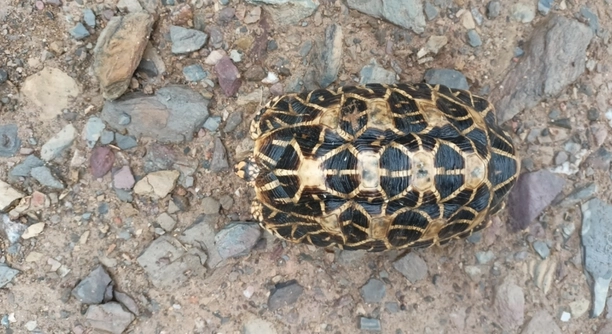
Does your star tortoise seem uninterested in food? A lack of appetite can be concerning, but there are simple ways to address it. Several factors affect a tortoise’s eating habits and understanding them can help improve your pet’s diet.
Improving a star tortoise’s appetite involves offering the right food, adjusting their environment, and ensuring proper hydration. A balanced diet with suitable temperatures, along with managing stress, can greatly enhance your tortoise’s interest in eating.
With these tips, your tortoise’s appetite can improve, leading to better overall health. Understanding these factors is key for a thriving star tortoise.
Proper Diet for Your Star Tortoise
A healthy diet plays a major role in stimulating your star tortoise’s appetite. Offering a variety of leafy greens like dandelion greens, collard greens, and mustard greens ensures your tortoise gets the necessary nutrients. Avoid high-protein foods, as they can cause kidney issues. Vegetables like carrots and squash can be given in moderation to provide extra vitamins, but too much can lead to digestive problems. It’s also important to provide access to high-fiber foods such as grass and hay, as these help with digestion and overall health. Offering food in small portions throughout the day can help increase their interest in eating, rather than overloading them with too much at once. Always avoid giving them human food like lettuce or processed foods, as these can be harmful.
Your tortoise’s appetite improves when food is fresh and varied. Fresh food provides better flavor and nutrition, encouraging your pet to eat.
Maintaining a proper feeding schedule and offering food consistently at the same times every day will help your star tortoise become accustomed to a routine. This can increase their hunger and appetite. When introducing new foods, do so slowly to avoid upsetting their stomach. Be patient and ensure that food is presented in a way that is easy for them to access. Using shallow dishes may encourage your tortoise to eat more easily.
Ideal Temperature and Environment
A warm and comfortable environment is vital for your tortoise’s well-being. Star tortoises thrive in temperatures between 85°F and 90°F during the day, with a slight drop at night. If the enclosure is too cold, your tortoise may become sluggish and lose interest in eating. Heating lamps or ceramic heat emitters can help regulate the temperature in their habitat. Additionally, providing a basking area where your tortoise can absorb warmth and UVB light is essential for digestion and overall health. Without the proper light exposure, your star tortoise’s appetite could decrease significantly.
Temperature consistency matters. If the environment fluctuates too much, your tortoise might struggle with its digestion, which can cause a loss of appetite.
The enclosure should be spacious enough to allow your tortoise to move freely. Lack of space can cause stress, which in turn affects eating habits. Make sure to create a hiding area where your tortoise can retreat if needed, as excessive stress can lead to a reduced appetite. The humidity in the enclosure should also be monitored. Too much moisture can make the tortoise uncomfortable and cause respiratory issues, while too little humidity can lead to dehydration, further affecting their desire to eat.
Hydration Matters
Proper hydration is essential for stimulating your tortoise’s appetite. Offering fresh water daily will ensure your star tortoise stays hydrated and healthy. Tortoises can be picky drinkers, so it’s a good idea to place the water in shallow dishes to encourage drinking.
If your tortoise is not drinking enough, you can gently soak them in lukewarm water for 10-15 minutes, which can help rehydrate them. This will also encourage better digestion, which is key for maintaining a healthy appetite.
Dehydration can cause lethargy and a lack of interest in food. Soaking your tortoise regularly will help prevent dehydration and keep their appetite up. Hydration supports many bodily functions and helps them stay active.
Stress Reduction
Stress is one of the main reasons for a star tortoise’s lack of appetite. Avoid sudden environmental changes or loud noises that could startle your tortoise. It’s important to place their enclosure in a quiet, safe area where they can feel secure.
A stressed tortoise may hide more often, which can lead to poor eating habits. When introducing new items into the enclosure, take time to acclimate your tortoise to the changes slowly. This will help reduce stress levels. Ensuring their environment is calm and predictable can support better eating habits.
A routine is helpful in reducing stress. Feed your tortoise at the same time every day, and avoid handling them too much. Keeping their environment simple and uncluttered can make a significant difference in their overall well-being and appetite.
Avoid Overfeeding
Overfeeding can lead to a decrease in appetite, as your tortoise may feel too full to eat. Stick to feeding smaller portions, ensuring they have time to digest properly. Offer food every other day, depending on your tortoise’s age and size, and avoid leaving too much uneaten food in the enclosure.
The right balance of food will keep your tortoise interested in eating. It’s essential to monitor portion sizes to prevent them from becoming overweight. Smaller portions, combined with variety, will encourage healthy eating habits and ensure that your star tortoise remains active and engaged.
Monitor Health
If your star tortoise’s appetite remains low despite changes in their diet and environment, it may be time to consider their health. Parasites, infections, or dental issues could affect their eating habits. If you notice any signs of illness, consult with a reptile vet.
A vet can help identify any underlying issues and provide treatment. Regular check-ups can ensure that your tortoise is healthy and not dealing with hidden problems. Monitoring your tortoise’s behavior and eating habits is key to preventing long-term issues that could reduce their appetite.
Enrichment
Enrichment is crucial for maintaining a tortoise’s mental and physical health. Offering safe objects like rocks or logs can encourage foraging and movement. When your star tortoise is active and engaged, it will be more likely to eat.
Rotating toys and adding variety to their environment can keep your tortoise stimulated. This helps to prevent boredom and stress, both of which can affect their appetite. Regular changes in their habitat will keep them interested and motivated to explore, leading to improved eating habits.
FAQ
What can I do if my star tortoise refuses to eat?
If your star tortoise is refusing to eat, check its environment first. Make sure the temperature and humidity levels are within the proper range. Stress from changes in the enclosure or surroundings can also cause a loss of appetite, so provide a calm and quiet space. It’s also important to offer fresh, varied foods and make sure they’re not overfed. Dehydration can lead to a lack of appetite, so ensure your tortoise has access to fresh water and soak them if necessary.
How often should I feed my star tortoise?
The feeding frequency depends on the age and size of your star tortoise. Young tortoises may need to be fed daily, while adult tortoises should be fed every 2 to 3 days. It’s important to offer smaller portions and monitor their weight to prevent overfeeding. If your tortoise’s appetite isn’t improving, you might want to reconsider the feeding schedule and adjust it based on their behavior.
Can temperature affect my star tortoise’s appetite?
Yes, temperature plays a critical role in your tortoise’s appetite. If the temperature is too low, it can cause your tortoise to become sluggish and less interested in food. Ideally, the basking area should be between 85°F and 90°F, while the rest of the enclosure should be slightly cooler. Without the right temperature, their metabolism slows down, and they might stop eating altogether.
What should I feed my star tortoise to improve its appetite?
A varied diet is essential to improve your star tortoise’s appetite. Offer a mix of leafy greens like collard greens, dandelion greens, and mustard greens. You can also add small amounts of vegetables like carrots, squash, or cucumbers. Ensure that the foods are fresh and free from pesticides. Avoid high-protein foods, as these can cause long-term health issues. Offering food in smaller portions throughout the day can also help stimulate their interest in eating.
Can stress cause my star tortoise to stop eating?
Yes, stress is a common reason why a star tortoise may stop eating. If there are changes to their environment, loud noises, or handling, they may feel stressed and lose their appetite. Stress can also come from an overcrowded enclosure or a lack of hiding places. To reduce stress, keep the habitat quiet, spacious, and predictable. Maintaining a regular feeding routine also helps alleviate anxiety.
How can I keep my star tortoise hydrated?
Hydration is important for stimulating appetite. Ensure that your tortoise has constant access to fresh, clean water. Some tortoises may not drink enough on their own, so soaking them in lukewarm water for 10-15 minutes can help rehydrate them. Soaking also supports their digestive system, which can help improve appetite. If your tortoise refuses to drink, try offering water in a shallow dish to make it more accessible.
What are the signs that my star tortoise is not eating due to illness?
If your star tortoise refuses to eat for several days and shows signs of lethargy, weakness, or abnormal behavior, it could be ill. Other signs include swollen eyes, nasal discharge, or changes in the shell’s appearance. If these symptoms persist, it’s essential to consult a vet specializing in reptiles. Prompt medical attention can prevent further complications.
Is it okay to give my star tortoise fruit?
While fruits can be offered to your star tortoise, they should only be given in moderation. Fruits like strawberries, apples, or melons can be a good occasional treat. However, excessive amounts of fruit can lead to digestive problems or obesity. Make sure the majority of their diet consists of leafy greens and vegetables for proper nutrition.
How can I prevent my star tortoise from becoming overweight?
To prevent obesity, control the portion sizes of food and avoid feeding high-calorie treats regularly. Offer a variety of low-calorie vegetables and ensure that your tortoise is getting enough fiber. Monitor their weight regularly and adjust their diet if necessary. Additionally, provide enough space for your tortoise to move around and engage in natural behaviors. If they’re active, they’ll burn calories and maintain a healthy weight.
Can my star tortoise eat lettuce?
While lettuce is not toxic, it should be avoided as a main food source for your star tortoise. Lettuce has low nutritional value and can cause diarrhea due to its high water content. Instead, stick to leafy greens like collard greens or dandelion greens that offer more nutrients. Offering a varied diet will ensure your tortoise is getting the right balance of vitamins and minerals.
How long can my star tortoise go without eating?
Star tortoises can survive for a period without food, but it’s not ideal for their health. If a tortoise stops eating for more than a few days, it could indicate an underlying issue such as illness or stress. In general, they can go without food for up to two weeks, but it’s crucial to monitor their behavior closely. If there are signs of dehydration, weight loss, or lethargy, seek professional help immediately.
How do I know if my star tortoise is getting the right amount of food?
The amount of food your star tortoise needs depends on its age, size, and activity level. Generally, young tortoises need to eat more frequently and in larger portions. Adults should have their portions controlled to prevent overeating. Monitor your tortoise’s weight and behavior to ensure they are eating the right amount. If they’re eating too little or too much, it’s time to adjust the diet accordingly.
Can I feed my star tortoise worms or insects?
Star tortoises are primarily herbivores and should not be fed worms or insects regularly. While they may consume small insects in their natural habitat, feeding them insects too often can upset their digestive system and cause health problems. Stick to plant-based foods, such as leafy greens, grasses, and vegetables, for the majority of their diet.
Final Thoughts
Ensuring your star tortoise has a healthy appetite requires attention to its diet, environment, and overall well-being. Small changes in their living conditions, like adjusting temperature or humidity, can have a significant impact on their feeding behavior. Make sure your tortoise has access to a variety of fresh, nutrient-rich foods, with an emphasis on leafy greens and low-protein vegetables. Avoid offering too much fruit, as it can lead to digestive issues. It’s essential to strike a balance between providing the right foods and maintaining proper care to keep your tortoise healthy.
Another key aspect of promoting a healthy appetite in your tortoise is ensuring that it has enough space to roam. Star tortoises are naturally active and enjoy exploring their surroundings. If their enclosure is too small, they may become stressed or lethargic, which can lead to a loss of interest in food. Make sure their habitat is spacious enough for them to move freely, and provide opportunities for them to hide and rest. A stress-free environment is crucial to maintaining a good appetite and overall health for your tortoise.
Finally, if your star tortoise continues to struggle with eating despite your efforts, it’s important to consult a veterinarian. Loss of appetite can sometimes be a sign of illness or other underlying health issues. Early intervention can prevent more serious problems and help you maintain the well-being of your tortoise. Regular check-ups and monitoring your tortoise’s behavior are important steps in identifying potential health concerns early on. By creating a proper feeding routine, adjusting their environment as needed, and seeking professional advice when necessary, you can help your star tortoise stay happy and healthy for years to come.

Hello,
If you enjoy the content that we create, please consider saying a "Thank You!" by leaving a tip.
Every little bit helps us continue crafting quality advice that supports the health, happiness, and well-being of pets around the world, for pets of all shapes, sizes, and species.
We really appreciate the kindness and support that you show us!