
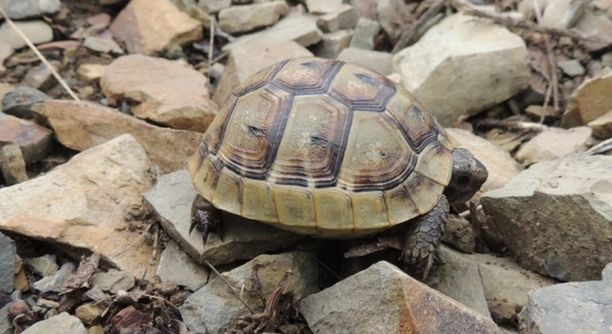
Russian tortoises are popular pets known for their gentle nature and unique eating habits. Understanding their dietary needs can make a big difference in their overall health and longevity. Proper feeding helps maintain their energy and well-being.
To improve your Russian tortoise’s eating habits, focus on providing a balanced diet rich in fiber, calcium, and variety. Incorporating leafy greens, vegetables, and occasional fruits ensures that they get the necessary nutrients for growth and shell health.
Small changes in their diet can significantly enhance your tortoise’s quality of life.
Provide a Balanced Diet with Leafy Greens
Russian tortoises thrive on a diet that includes a variety of leafy greens. These greens are rich in fiber and essential nutrients, promoting digestive health and overall well-being. Common choices like dandelion greens, kale, and collard greens offer a strong foundation. Always wash the greens thoroughly to remove any pesticides or chemicals that could harm your tortoise. While variety is key, greens should make up the bulk of their daily intake.
Offering a range of leafy greens ensures they receive different vitamins and minerals that contribute to their health. It’s best to rotate the types of greens offered, ensuring they don’t get bored with the same options.
However, avoid feeding them iceberg lettuce as it offers little nutritional value. High-water content vegetables like cucumber should also be given in moderation to avoid digestive upset. By maintaining variety in their greens, you can help keep your tortoise healthy and satisfied.
Avoid Feeding High-Protein Foods Too Often
While protein is important for growth, overfeeding it can lead to health problems. Protein-rich foods like animal-based products should only be offered occasionally. Too much protein can cause kidney stress and other issues. It is essential to prioritize plant-based sources of nutrition.
Protein-rich foods can come in the form of insects or certain types of commercial tortoise food. However, these should not make up the bulk of their diet. Overfeeding protein can lead to shell deformities and metabolic problems. Stick to a more natural, plant-based diet for long-term health.
Limit their intake of protein sources and make sure the majority of their diet consists of fiber-rich vegetables and greens. The result will be a more balanced and healthier tortoise, reducing the risk of metabolic diseases and other related health issues.
Incorporate Calcium for Strong Shells
Calcium is essential for a healthy tortoise, particularly for maintaining strong shells. Without it, their shells may become soft or deformed. Adding a calcium supplement to their diet ensures they get the necessary nutrients for shell growth. You can also provide calcium-rich foods like spinach and collard greens.
A calcium supplement can be sprinkled on their food or offered in a separate dish. Make sure to choose a high-quality, tortoise-specific supplement to avoid overloading them with excess nutrients. It’s best to follow the recommended dosage on the packaging. Providing adequate calcium is crucial for their shell development and longevity.
Calcium is especially important for young Russian tortoises as they are still growing and developing. For adult tortoises, regular calcium intake supports bone health and overall vitality. Just be cautious with over-supplementing as excess calcium can lead to kidney issues or other health concerns.
Offer Occasional Fruits in Moderation
While fruits can be a tasty treat for your tortoise, they should only be offered occasionally. Fruits are high in sugar, which can disrupt their digestive system and lead to obesity if overfed. Offer fruits like berries, papaya, or melon in small amounts.
It’s important to avoid fruits that are too high in sugar or acidic, like citrus fruits. Feeding fruits as a supplement to their regular diet of greens and vegetables ensures they enjoy variety without negatively impacting their health. Keep fruit portions small and balanced with other food types to maintain proper nutrition.
If you notice any digestive upset after offering fruit, consider reducing the frequency or variety of fruits you provide. Moderation is key to keeping your Russian tortoise’s diet healthy and preventing any potential issues from developing.
Hydration is Key
Hydration plays a major role in your tortoise’s health. Russian tortoises get most of their water from their food, but it’s still important to provide access to clean, fresh water. Offer water in a shallow dish that they can easily reach.
Ensure the water is changed daily to prevent bacteria growth. Make sure the dish is large enough for your tortoise to soak in if needed. If they’re not drinking water from the dish, misting their food or offering more watery veggies can help. Hydration supports digestion and overall health.
Avoid Processed Foods
Processed foods can cause health issues for your Russian tortoise. These foods often contain preservatives, artificial colors, or added sugars, which are harmful to their digestive system. Stick to fresh, whole foods that mirror their natural diet.
Processed foods may offer convenience, but they don’t meet the nutritional needs of your tortoise. Avoid feeding any food that isn’t specifically designed for tortoises. Fresh, whole foods are the best way to provide your pet with proper nutrition and prevent long-term health problems.
Keep Food Portions Balanced
It’s important to ensure that your tortoise’s portions are appropriate for their size and age. Overfeeding or underfeeding can lead to health complications. A good rule of thumb is to offer an amount of food that is roughly the size of their shell each day.
Monitoring their weight regularly can help you adjust portion sizes as needed. If you notice your tortoise gaining too much weight, reduce the portion sizes of high-calcium or protein-rich foods. Proper portion control ensures your tortoise remains healthy and active while maintaining optimal weight.
FAQ
What can I feed my Russian tortoise every day?
A healthy diet for your Russian tortoise should consist primarily of leafy greens, such as dandelion greens, kale, and collard greens. You can also provide other vegetables like squash, bell peppers, and carrots. Offer occasional fruits like berries, melons, or papaya, but keep portions small due to their high sugar content. Always avoid iceberg lettuce and stick to nutrient-dense, fibrous plants to support digestion and shell health.
How often should I feed my Russian tortoise?
Russian tortoises generally do well with daily feedings, but the amount you offer depends on their size and age. Adult tortoises should be fed once a day, while younger tortoises may require multiple feedings. Ensure that their portions are appropriately sized to prevent overfeeding and obesity. Always monitor their weight to ensure they are receiving the right amount of food.
Can I give my Russian tortoise fruit every day?
No, fruits should only be offered occasionally. While your tortoise may enjoy the sweetness, fruits are high in sugar and can cause digestive problems if given too often. Limit fruit to a few times a week and focus on giving them a variety of vegetables and leafy greens. Balance is important for their health.
How can I ensure my Russian tortoise gets enough calcium?
To support healthy shell development, provide a calcium supplement specifically made for tortoises. You can sprinkle calcium powder on their food or place it in a separate dish. Offer calcium-rich foods, like dark leafy greens such as collard greens, kale, and mustard greens. Be cautious about over-supplementing, as excessive calcium can cause health issues.
Should I give my Russian tortoise supplements?
Yes, supplements can be beneficial if your tortoise isn’t getting enough essential nutrients from their food. Along with calcium, providing a vitamin D3 supplement can help with calcium absorption. Always choose supplements designed for tortoises and follow the recommended dosage. However, it’s important to ensure that their diet provides most of their nutritional needs naturally.
Is it okay to feed my tortoise commercial tortoise food?
Commercial tortoise food can be used, but it should not make up the bulk of their diet. Many commercial diets are high in protein or carbohydrates, which aren’t ideal for Russian tortoises. If you choose to use commercial food, make sure it is formulated for herbivorous tortoises and only offer it in moderation. Fresh, whole foods should be the main part of their diet.
Can I feed my Russian tortoise vegetables from my garden?
Yes, as long as the vegetables are pesticide-free and safe for tortoises. Many garden vegetables, such as dandelion greens, clover, and plantain leaves, can be healthy additions to your tortoise’s diet. Always avoid using chemicals on the plants you plan to feed your tortoise, as these can be toxic to them.
How do I know if my Russian tortoise is eating enough?
A healthy tortoise should show interest in its food and eat a variety of greens and vegetables daily. If they are not eating or are losing weight, it may be a sign of a health issue. Ensure they have access to a varied, nutritious diet, and monitor their weight regularly. If eating habits or behavior change, consult a vet.
What should I do if my tortoise isn’t eating?
If your Russian tortoise is refusing to eat, it could be due to stress, illness, or environmental factors. Ensure their habitat is at the right temperature and humidity level. Check for signs of illness, such as lethargy or swelling, and consider whether they are being overfed or given the wrong foods. If the problem persists, seek advice from a reptile vet.
Can I feed my Russian tortoise lettuce?
Lettuce can be offered in small amounts, but avoid iceberg lettuce. Iceberg lettuce has very little nutritional value and can cause digestive issues due to its high water content. Instead, offer dark leafy lettuces like romaine or butterhead in moderation, as they provide more nutrients. Always focus on nutrient-rich foods like kale, collard greens, and dandelion greens for their main meals.
How do I keep my Russian tortoise hydrated?
In addition to offering fresh water daily, you can help keep your Russian tortoise hydrated by feeding them water-rich vegetables like cucumber and zucchini. Regular misting of their food and providing a shallow water dish for them to soak in can also encourage hydration. Make sure the water is clean and accessible at all times. Proper hydration helps with digestion and overall health.
Can my Russian tortoise eat flowers?
Yes, many flowers are safe for Russian tortoises to eat, but you should only offer non-toxic, pesticide-free flowers. Common safe flowers include hibiscus, dandelions, and pansies. Ensure that the flowers haven’t been sprayed with chemicals. It’s important to avoid feeding them any flowers that are known to be toxic to reptiles.
How can I stop my Russian tortoise from getting too fat?
To prevent obesity in your Russian tortoise, monitor their portion sizes carefully. Avoid feeding high-calcium foods in excess, as these can lead to weight gain. Also, limit the amount of fruit and treat-based foods. Regularly check their weight and ensure they get enough physical activity, such as time outside of their enclosure.
What is the best temperature for my Russian tortoise’s diet?
The temperature in your tortoise’s enclosure is essential for proper digestion. Ensure the basking area is around 90°F (32°C) and that the cooler side is between 70°F and 75°F (21-24°C). This range helps your tortoise digest food properly. If the temperature is too low, it can affect their appetite and overall health.
Final Thoughts
Improving your Russian tortoise’s eating habits involves more than just providing the right food. It’s essential to create a consistent feeding routine, ensure proper nutrition, and keep an eye on their health. Regular monitoring of their diet will help prevent common issues like obesity, malnutrition, or digestive problems. It’s important to remember that tortoises are herbivores and thrive on a varied diet that consists mostly of fresh, fibrous plants and vegetables. Offering them the right amount of food and adjusting based on their age, size, and activity level will help them maintain a healthy weight and strong shell.
Environmental factors also play a key role in their eating habits. Make sure their habitat mimics natural conditions, with appropriate temperature and humidity levels. If your tortoise feels stressed or uncomfortable in its environment, it may refuse food or experience digestive problems. Providing them with a clean, safe space to roam and bask will encourage better eating habits and overall well-being. Ensure they have access to fresh water daily and place their food in an area where they can easily find it.
In the end, small changes to your Russian tortoise’s diet and environment can lead to significant improvements in their health. While feeding them nutritious foods is essential, it’s also important to ensure they get proper hydration, exercise, and a stress-free environment. By offering a balanced diet, watching their weight, and staying attentive to their needs, you can help your tortoise lead a long, healthy life. If you notice any sudden changes in their eating behavior or health, don’t hesitate to consult with a veterinarian to ensure there are no underlying issues.

Hello,
If you enjoy the content that we create, please consider saying a "Thank You!" by leaving a tip.
Every little bit helps us continue crafting quality advice that supports the health, happiness, and well-being of pets around the world, for pets of all shapes, sizes, and species.
We really appreciate the kindness and support that you show us!