
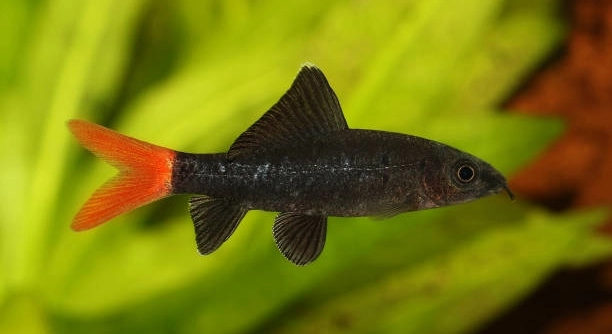
Are your Rainbow Sharks looking less vibrant than usual or behaving differently in the tank? Keeping these beautiful fish healthy requires some attention to their environment and care routines. Understanding their needs helps maintain their wellness.
Improving your Rainbow Shark’s health involves maintaining clean water, providing a balanced diet, ensuring proper tank size, monitoring water parameters, offering hiding spots, minimizing stress, and regular observation for illnesses. These factors collectively support their well-being and longevity.
Knowing these key care tips will help you keep your Rainbow Sharks active and thriving in your aquarium. This guide offers practical steps to improve their health and happiness.
Keep the Water Clean and Well-Filtered
Clean water is the foundation of a healthy tank for your Rainbow Shark. Dirty water can cause stress and illness, so regular water changes are essential. Aim to change about 25% of the water every week to keep toxins like ammonia and nitrites low. Using a good-quality filter helps remove waste and keeps the water clear. Make sure the filter is appropriate for your tank size and clean it monthly to maintain efficiency. Testing the water regularly with simple kits will help you monitor important levels like pH, ammonia, nitrite, and nitrate. Rainbow Sharks prefer slightly acidic to neutral pH, around 6.5 to 7.5, and stable water conditions. Avoid sudden changes that can shock your fish. Proper water care reduces the risk of infections and promotes vibrant colors and active behavior in your Rainbow Sharks.
Keeping water clean supports overall fish health and reduces diseases caused by poor conditions.
Regular cleaning and monitoring are small efforts that make a big difference in your tank’s environment.
Provide a Balanced and Varied Diet
Feeding your Rainbow Shark a well-rounded diet is key to its health. These fish are omnivores and need both plant-based and protein-rich foods. High-quality sinking pellets designed for omnivores work well as a staple. Supplement their diet with blanched vegetables like zucchini or spinach, and occasional treats such as bloodworms or brine shrimp. Avoid overfeeding by giving small amounts two to three times a day, only what they can eat in a few minutes. Uneaten food can pollute the water quickly. Variety keeps your Rainbow Shark interested in its food and ensures it gets essential nutrients. A balanced diet supports growth, bright coloration, and immune strength. Watch your fish during feeding to make sure all are eating well, as competition or stress can affect food intake. Consistent feeding routines help maintain their health and activity levels.
Ensure Proper Tank Size and Environment
Rainbow Sharks need enough space to swim and explore without feeling crowded. A tank of at least 30 gallons is recommended for a single Rainbow Shark. Overcrowding leads to stress and aggressive behavior.
Providing a spacious tank reduces territorial disputes and helps maintain a peaceful environment. Decorations like smooth rocks and plants create hiding spots, which Rainbow Sharks appreciate for security. Avoid sharp objects that can injure their delicate fins. A sandy or fine gravel substrate mimics their natural habitat and encourages natural behavior. Proper lighting that simulates a day-night cycle supports their activity patterns. Keeping the tank environment stable and comfortable helps your fish thrive physically and mentally.
A well-sized, thoughtfully arranged tank fosters natural behaviors and reduces stress, key factors in your Rainbow Shark’s well-being.
Monitor Water Parameters Regularly
Keeping water parameters stable is essential for your Rainbow Shark’s health. Test water weekly to check pH, ammonia, nitrites, and nitrates levels.
Fluctuations or spikes in harmful chemicals can cause illness or stress. Aim for pH between 6.5 and 7.5, ammonia and nitrites at zero, and nitrates below 20 ppm. Use water conditioners to neutralize chlorine or chloramine in tap water. Temperature should stay between 74 and 80°F to match their natural tropical environment. Sudden changes in temperature or chemistry can shock your fish, so introduce adjustments slowly. Keeping these factors in balance supports their immune system and prevents diseases.
Consistent monitoring and timely action help maintain a healthy, stable habitat for your Rainbow Sharks.
Provide Hiding Spots and Decorations
Rainbow Sharks feel safer when they have places to hide. Adding caves, plants, and driftwood creates a natural environment. These spots reduce stress and encourage natural behavior.
Hiding places also help when fish feel threatened or need rest. It supports their mental well-being and reduces aggression in the tank.
Minimize Stress Factors
Stress weakens Rainbow Sharks’ immune systems and makes them prone to illness. Keep noise, sudden movements, and overcrowding to a minimum. Maintain a calm, stable environment for your fish to feel secure and healthy.
Regularly Observe for Signs of Illness
Watch your Rainbow Sharks daily for changes in behavior, appetite, or appearance. Early detection of problems helps treat illnesses before they worsen.
Avoid Sudden Changes
Sudden changes in water or environment can shock Rainbow Sharks. Introduce any adjustments slowly to help them adapt smoothly.
FAQ
How often should I change the water in my Rainbow Shark’s tank?
Changing about 25% of the water every week is a good rule of thumb. This helps keep harmful substances like ammonia and nitrites low. Regular water changes maintain a clean and stable environment, which is essential for your Rainbow Shark’s health.
What is the ideal tank size for a Rainbow Shark?
A tank of at least 30 gallons is recommended for one Rainbow Shark. They need space to swim and establish territories. Smaller tanks can cause stress and increase aggressive behavior, which may lead to injury or poor health.
What should I feed my Rainbow Shark?
Rainbow Sharks are omnivores and need a mix of plant-based and protein-rich foods. High-quality sinking pellets designed for omnivores should be the staple diet. You can also offer blanched vegetables like zucchini and occasional live or frozen treats such as bloodworms or brine shrimp.
Can I keep multiple Rainbow Sharks together?
It is best to keep only one Rainbow Shark per tank unless the tank is very large. Rainbow Sharks can be territorial and aggressive toward each other. If you want more than one, provide a very spacious tank with plenty of hiding spots and observe their behavior carefully.
What water temperature is best for Rainbow Sharks?
Rainbow Sharks thrive in water temperatures between 74 and 80°F (23 to 27°C). Maintaining a consistent temperature within this range supports their metabolism and immune system. Sudden temperature changes should be avoided as they can cause stress.
How do I know if my Rainbow Shark is stressed?
Signs of stress include hiding constantly, loss of appetite, faded colors, and unusual swimming patterns. Stress can be caused by poor water quality, overcrowding, or sudden changes in the environment. Addressing these factors promptly helps reduce stress.
What diseases commonly affect Rainbow Sharks?
Common diseases include fin rot, ich, and bacterial infections, often caused by poor water conditions or stress. Keeping the tank clean, maintaining stable water parameters, and providing proper nutrition helps prevent these illnesses.
How can I treat common fish diseases?
Treatment depends on the disease but often includes improving water quality and using medications recommended for fish. Early detection is important. Quarantining sick fish can prevent disease spread in the tank.
Are Rainbow Sharks good community tank fish?
Rainbow Sharks can live with other peaceful fish, but they may show aggression if the tank is too small or overcrowded. Choose tank mates that are not small or slow-moving, and provide enough space and hiding spots.
How often should I clean the filter?
Clean the filter about once a month, or when you notice reduced water flow. Rinse filter media in tank water (not tap water) to preserve beneficial bacteria. Regular maintenance keeps the filter working efficiently without harming the tank’s biological balance.
What kind of substrate is best for a Rainbow Shark tank?
A soft sandy or fine gravel substrate is best. It mimics their natural environment and allows them to forage safely. Avoid sharp or rough substrates that could damage their fins or bodies.
How important is lighting in a Rainbow Shark tank?
Lighting helps regulate their natural day-night cycle. Moderate lighting that simulates their natural environment supports their activity and reduces stress. Avoid overly bright or harsh lighting as it can cause discomfort.
Can Rainbow Sharks jump out of the tank?
Yes, Rainbow Sharks are known to jump occasionally. Make sure your tank has a secure lid to prevent escapes and protect your fish.
What is the lifespan of a Rainbow Shark?
With proper care, Rainbow Sharks can live up to 8-10 years. Providing a clean environment, balanced diet, and low stress levels supports their longevity.
How can I encourage natural behavior in my Rainbow Shark?
Provide a well-decorated tank with hiding places, a suitable substrate, and proper water flow. A balanced diet and stable conditions also help your fish display natural swimming and foraging behaviors.
Should I quarantine new fish before adding them to the tank?
Quarantining new fish for at least two weeks helps prevent introducing diseases to your main tank. It allows you to monitor the new fish for signs of illness and treat them if needed before mixing them with existing fish.
Taking good care of your Rainbow Shark means paying attention to several important details. Keeping the water clean and well-filtered is one of the most important steps. Regular water changes and testing water parameters help keep the tank environment safe for your fish. Providing the right tank size and a balanced diet also plays a big role in their health. Rainbow Sharks need space to swim and enough food that meets their needs. When these basics are met, your fish will stay active, healthy, and colorful.
It is also important to create a comfortable and stress-free environment for your Rainbow Shark. Adding hiding spots like plants, rocks, and decorations gives them places to feel secure. Avoid overcrowding the tank and keep sudden changes to a minimum. Stress can cause your fish to become sick or behave unusually. Watching your fish regularly for any signs of illness helps catch problems early. When you spot something unusual, taking quick action can make a big difference in their recovery. Paying attention to your Rainbow Shark’s behavior and surroundings helps you give the best care possible.
Rainbow Sharks can live for many years with proper care, and the effort you put into their environment and routine will pay off. Maintaining stable water conditions, feeding a varied diet, and minimizing stress keep your fish happy and strong. Each tank and fish is different, so learning what works best for your setup is part of the process. By following these simple care tips, you can enjoy watching your Rainbow Sharks thrive in your home aquarium for a long time. Their bright colors and lively nature make them rewarding pets when cared for properly.

Hello,
If you enjoy the content that we create, please consider saying a "Thank You!" by leaving a tip.
Every little bit helps us continue crafting quality advice that supports the health, happiness, and well-being of pets around the world, for pets of all shapes, sizes, and species.
We really appreciate the kindness and support that you show us!