
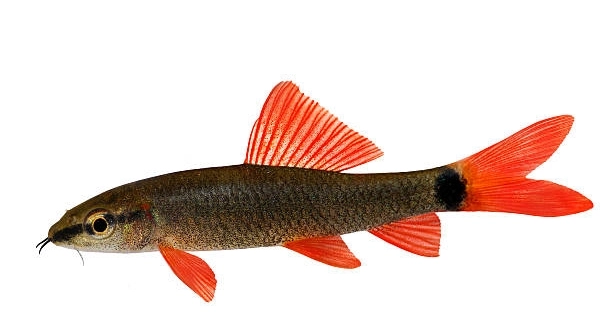
Rainbow sharks are popular freshwater fish known for their bright colors and active nature. Many aquarists enjoy keeping them in community tanks. However, managing their interactions with other tankmates can sometimes be challenging.
Improving compatibility among rainbow shark tankmates requires careful attention to tank size, hiding spots, and compatible species selection. Providing ample space and territory reduces aggression, while maintaining proper water conditions supports peaceful coexistence. Regular monitoring is essential to address conflicts early.
Learning simple ways to balance the needs of your rainbow sharks and their tankmates helps create a calmer, healthier aquarium environment. This article shares practical tips to improve harmony in your tank.
Choose Compatible Tankmates
Choosing the right tankmates for your rainbow shark is the first step to creating a peaceful community tank. Rainbow sharks can be territorial and sometimes aggressive, especially if they feel crowded or threatened. It’s important to select fish that have similar temperaments and size, but don’t compete for the same space. Avoid slow-moving or very small fish because rainbow sharks may chase them. Good choices include fast-swimming, mid-to-bottom dwellers like certain danios or barbs. Also, avoid keeping multiple rainbow sharks in a small tank, as they tend to fight over territory. Proper selection helps reduce stress and aggressive behavior, creating a more balanced aquarium.
Pick tankmates with care to keep peace and reduce conflict in your aquarium. Compatibility depends on size, temperament, and swimming levels within the tank.
Matching active fish that occupy different levels of the tank encourages harmony. Keeping some peaceful schooling fish in the upper levels can help balance the tank dynamics. Regular observation will help you notice if any species is stressed or bullied, allowing you to intervene early.
Provide Plenty of Hiding Spots
Adding hiding spots helps rainbow sharks and other tankmates feel secure and reduces tension. Fish naturally seek cover to escape from threats or rest without being disturbed. Rocks, plants, caves, and decorations can all serve as hiding places. The more cover available, the less likely your rainbow shark will act aggressively to defend a small area. This also allows shy fish to retreat when they feel overwhelmed. When setting up the tank, create multiple zones with hiding spaces spaced around to prevent overcrowding in one place. This encourages fish to explore without constant conflict.
Hiding spots are essential for a balanced tank environment and lower stress levels.
A well-decorated tank with plenty of places to hide can calm your fish and reduce chasing. Use a mix of natural and artificial elements that fit your aquarium’s size. Live plants like Java fern or Anubias are good options because they grow slowly and provide sturdy cover. Caves or tunnels made from smooth rocks or ceramic add shelter and create interesting areas for exploration. Spread these hiding places out evenly to reduce competition and allow fish to find their own space. When fish feel safe, their colors brighten and their health improves, creating a more vibrant and peaceful tank.
Maintain Proper Tank Size
A tank that is too small causes stress and territorial behavior in rainbow sharks. These fish need room to swim freely and claim their own space. A minimum of 30 gallons is recommended for one rainbow shark with other tankmates.
In a larger tank, rainbow sharks have enough space to establish territories without constant fighting. Crowded conditions increase aggression and competition for resources. Providing ample swimming room supports natural behavior and reduces stress. It also gives other fish more hiding spots and swimming areas, improving overall tank harmony.
When planning your aquarium, consider the adult size of your fish and the number of tankmates. Bigger tanks offer more flexibility to arrange decorations and plants, which help diffuse territorial disputes. Regular water changes in a larger tank keep water quality high, further supporting peaceful coexistence.
Keep Water Conditions Stable
Consistent water quality is critical for the health and behavior of rainbow sharks and their tankmates. Sudden changes in temperature, pH, or ammonia levels can stress fish and trigger aggression.
Maintaining stable water conditions requires regular testing and timely water changes. Use a good filtration system to keep the water clean and free of toxins. Aim for a temperature range between 74°F and 80°F, and keep pH levels around 6.5 to 7.5. Avoid overcrowding, which can cause spikes in waste and reduce oxygen.
Stable water conditions help fish feel secure and reduce stress-related aggression. When the environment is balanced, rainbow sharks are less likely to act out, and their tankmates remain healthier and more relaxed, contributing to better overall compatibility.
Feed Balanced Meals
Feeding your rainbow sharks and their tankmates a balanced diet supports their health and reduces stress. Stress can increase aggressive behavior, so proper nutrition is important.
Offer a mix of sinking pellets, flakes, and occasional live or frozen foods. Avoid overfeeding, which pollutes the water and can cause fights over food.
Monitor Behavior Closely
Watching your fish regularly helps spot early signs of stress or aggression. Early intervention can prevent serious injuries.
Look for chasing, fin nipping, or hiding that lasts too long. Adjust tank conditions or separate aggressive fish if needed.
Keep the Tank Clean
A clean tank means healthier fish and less chance of conflict. Remove uneaten food and perform partial water changes weekly.
Clear water and good filtration reduce stress, making your rainbow sharks more tolerant of their tankmates.
FAQ
How many rainbow sharks can I keep together?
It’s best to keep only one rainbow shark per tank unless you have a very large aquarium, usually over 55 gallons. Rainbow sharks are territorial and may fight if kept too close. When the tank is large enough, multiple individuals can each claim separate territories, reducing conflicts.
What tank size is ideal for rainbow sharks?
A minimum tank size of 30 gallons is recommended for one rainbow shark with other fish. If you want multiple rainbow sharks, increase the size accordingly—at least 55 gallons or more is ideal. Larger tanks provide enough swimming space and hiding spots, which help reduce aggression and stress.
Can rainbow sharks live with other fish?
Yes, but choosing compatible species is important. Avoid slow-moving or small fish that may be bullied. Good companions include fast, active species like barbs or danios that swim in the upper levels of the tank. Avoid other bottom dwellers that compete for territory.
Why does my rainbow shark chase other fish?
Chasing is often a sign of territorial behavior. Rainbow sharks defend their space, especially if the tank is too small or lacks hiding spots. Stress and overcrowding increase this behavior. Providing enough space and hiding places usually reduces chasing.
How do I reduce aggression in my rainbow shark?
Provide a large tank with plenty of hiding spots and compatible tankmates. Maintain stable water conditions and avoid overfeeding. Regular monitoring helps catch aggressive behavior early. If necessary, rearranging decorations or separating aggressive fish can help.
What should I feed rainbow sharks?
Feed a balanced diet of sinking pellets, flakes, and occasional live or frozen foods like bloodworms or brine shrimp. Avoid overfeeding to prevent water quality issues, which can stress the fish and lead to aggression.
How often should I clean the tank?
Perform partial water changes weekly, removing about 20-30% of the water. Clean uneaten food and debris to maintain water quality. Good filtration helps keep the tank clean, reducing stress and improving compatibility among fish.
Can rainbow sharks live in community tanks?
Yes, if tank size, water conditions, and tankmate selection are carefully managed. A well-planned community tank with enough space and hiding spots allows rainbow sharks to coexist peacefully with other species.
What water parameters do rainbow sharks need?
Maintain water temperature between 74°F and 80°F, pH around 6.5 to 7.5, and low ammonia and nitrite levels. Stable water parameters reduce stress and aggression. Regular testing helps keep these conditions balanced.
Why is my rainbow shark hiding all the time?
Hiding often means the fish is stressed, injured, or intimidated by tankmates. Check water quality and tank conditions. Adding more hiding spots and reducing aggressive neighbors can help your rainbow shark feel more secure.
Final Thoughts
Keeping rainbow sharks with other fish can be very rewarding when done right. These fish are beautiful and active, but they do need some extra care to live peacefully with their tankmates. It’s important to remember that their natural behavior includes being territorial, so providing enough space and hiding spots is key. A well-sized tank that allows each fish to have its own area helps reduce stress and fighting. Choosing compatible species that are not too small or slow-moving also makes a big difference in how well your fish get along.
Maintaining clean and stable water conditions is just as important as tank size and decorations. Rainbow sharks and other fish are sensitive to sudden changes in temperature, pH, or water quality. Keeping the tank clean with regular water changes and a good filtration system supports their health and behavior. When fish are healthy and stress is low, they are less likely to act aggressively. Feeding a balanced diet without overfeeding also plays a role in keeping the environment calm and friendly.
Finally, spending time watching your tank helps you understand how your fish interact. Early detection of aggression or stress allows you to adjust tank setup or separate fish if needed. Each aquarium is unique, so being patient and willing to make changes will lead to a better community tank. When your rainbow sharks and tankmates live together peacefully, the tank becomes a beautiful and enjoyable place to watch. With attention to space, tankmates, water, and behavior, you can create a healthy home for your fish that lasts.

Hello,
If you enjoy the content that we create, please consider saying a "Thank You!" by leaving a tip.
Every little bit helps us continue crafting quality advice that supports the health, happiness, and well-being of pets around the world, for pets of all shapes, sizes, and species.
We really appreciate the kindness and support that you show us!