
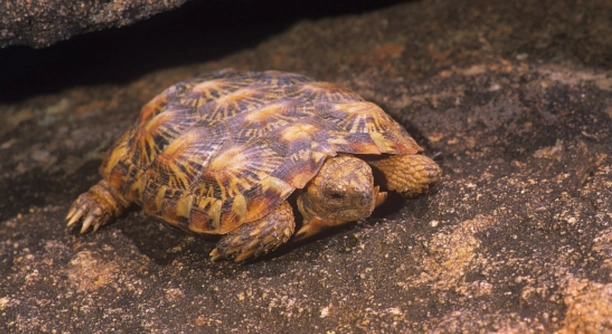
Pancake tortoises are unique creatures, known for their interesting sleeping patterns. If you are a tortoise owner, understanding how to improve their rest can make a big difference in their overall well-being.
Improving your pancake tortoise’s sleeping patterns involves creating a comfortable, quiet environment, providing proper temperature regulation, and offering a suitable diet. These factors influence their circadian rhythm and overall health, ensuring a restful sleep cycle.
Making small adjustments to their habitat and routine can have a noticeable impact. In the following sections, we’ll explore seven ways to help enhance your pancake tortoise’s sleep and keep them healthy.
1. Create a Calm and Quiet Sleeping Environment
Your pancake tortoise’s sleep can be disrupted by noise and distractions, so providing a quiet space is key. They feel safe and secure in environments where they won’t be startled by loud sounds or sudden movements. A secluded area, away from the hustle and bustle of daily life, helps them rest better.
While some noise is inevitable, creating a stable, peaceful atmosphere can make a big difference. Tortoises are sensitive to their surroundings, and too much stimulation can affect their sleep. You’ll want to minimize loud noises and bright lights, especially at night.
Ensure your tortoise has a private, darkened space in its enclosure to promote better sleep. You might also consider covering the enclosure with a breathable cloth to reduce disturbances and regulate the light exposure. This simple step could significantly improve their sleep quality, making them feel safer and more comfortable.
2. Maintain Proper Temperature
Temperature regulation is essential for your pancake tortoise’s health. Too much heat or cold can disrupt their sleep and overall well-being.
Pancake tortoises thrive in warm temperatures, but the range needs to be consistent. Aim for an ambient temperature of 80-85°F (27-29°C) with a basking spot of around 90-95°F (32-35°C). Keeping the temperature stable encourages good sleeping habits and ensures that they don’t become too stressed by fluctuating conditions.
Providing a proper heat source, such as a heat lamp or ceramic heat emitter, can help you control their environment. Avoid placing the heat source too close to the tortoise, as this could make them too hot or cause them to become inactive. The balance of warmth is crucial for encouraging natural sleep cycles.
3. Provide a Balanced Diet
The right food influences your pancake tortoise’s sleep. A varied and balanced diet keeps them healthy, ensuring they have the energy needed for a full night’s rest.
Offer a mix of leafy greens, vegetables, and occasional fruits. Avoid overfeeding them, as this can cause stress or discomfort, affecting their sleep. Proper nutrition keeps their body functioning at its best, including regulating their sleep cycle.
Too much protein or high-fat foods can lead to digestive issues, which may disturb their rest. Sticking to high-fiber, nutrient-dense options will help maintain their health and sleep patterns. Don’t forget to provide fresh water daily to keep them hydrated and feeling their best.
4. Use Proper Lighting
Lighting plays a significant role in your pancake tortoise’s sleep cycle. They need a proper day-night cycle to regulate their internal clock.
Ensure that your tortoise’s enclosure receives natural light during the day. If natural sunlight is unavailable, use UVB lamps that mimic daylight. This helps maintain their circadian rhythm, which in turn affects their sleep.
Avoid artificial lights at night, as they can confuse their internal clock and disrupt their sleep. A dark and quiet night environment signals to your tortoise that it’s time to rest. Make sure the lighting is not too harsh, as that could interfere with their ability to wind down.
5. Limit Stress and Handling
Stress can make it difficult for your pancake tortoise to sleep well. Keeping handling to a minimum ensures they remain calm and feel secure.
Constant handling or changes in their environment can disrupt their rest. Be gentle and patient when interacting with them, allowing them to approach you on their terms. Too much interaction can cause anxiety and make them more restless.
Create a stable and calm routine for them, minimizing disturbances in their daily life. A tortoise that feels secure is more likely to relax and sleep deeply.
6. Create a Comfortable Resting Spot
Your pancake tortoise’s resting area should feel safe and cozy. The surface should be smooth but supportive, so they can rest comfortably.
Consider adding natural elements like small rocks or logs to mimic their natural habitat. This can help your tortoise feel more at home, encouraging better sleep. A dry, clean area is also essential to prevent any infections that could disrupt their sleep.
An elevated spot in their enclosure can also help create a more comfortable and secure area. These small adjustments will improve their quality of rest and overall health.
7. Avoid Overcrowding the Enclosure
Overcrowding can stress your pancake tortoise and disrupt their sleep patterns. Too many animals in a space can cause territorial disputes and reduce their ability to relax.
Make sure your tortoise has plenty of space to roam and rest without feeling cramped. When enclosures are too small or shared with too many tortoises, it can lead to tension and disrupted sleep cycles.
FAQ
What is the best temperature for my pancake tortoise at night?
At night, your pancake tortoise should be kept in a temperature range of 70-75°F (21-24°C). This allows them to rest comfortably without overheating or becoming too cold. Make sure that the nighttime temperature is lower than the daytime, as they need a slight drop in temperature to help signal that it’s time to sleep.
How much sleep do pancake tortoises need?
Pancake tortoises typically need 12 to 14 hours of sleep each night. Providing a proper environment that promotes restful sleep will help ensure they get the right amount of rest for their health and overall well-being. Their sleep schedule is tied to natural light, so consistency in their lighting and environment is important.
Can my pancake tortoise sleep during the day?
Yes, pancake tortoises are known to be more active during the cooler parts of the day, but they do take naps. They prefer to rest during the hottest part of the day, which could be anywhere between noon and late afternoon. Ensure that their resting spot is safe and provides the proper conditions for them to rest well.
How can I help my pancake tortoise sleep better if it’s still active at night?
If your pancake tortoise is active at night, try adjusting the lighting and temperature in its environment. Ensure that the enclosure is dark at night and avoid artificial lighting after dusk. Keeping the enclosure cool and calm at night will encourage them to sleep through the night, as their natural rhythm will adjust to the proper day-night cycle.
Should I provide a hiding spot for my pancake tortoise to sleep in?
Yes, having a hiding spot is a great way to make your tortoise feel secure. Pancake tortoises are shy creatures that naturally seek shelter when they feel threatened. A hiding spot provides them with a safe, quiet space to sleep without any disturbances. You can add a small cave or a pile of rocks for them to rest in.
Can too much handling affect my tortoise’s sleep?
Yes, excessive handling can cause stress and prevent your tortoise from sleeping well. If handled too much, they may become anxious, making it harder for them to relax and sleep. Limit handling to a few minutes each day, and always approach your tortoise gently to avoid startling them.
Is there a specific time of day when my pancake tortoise should sleep?
Pancake tortoises tend to sleep at night, especially when their environment is dark and quiet. They rely on the day-night cycle to regulate their internal clock, which helps them sleep at night and be more active during the day. Providing proper lighting and temperature cycles will encourage this natural sleep pattern.
How can I tell if my pancake tortoise is sleeping properly?
A pancake tortoise that is sleeping properly will be in a calm, relaxed position, often resting in a secure spot. If your tortoise is constantly active at night or seems overly stressed, it could be a sign that something is wrong with its environment. Look for signs of restlessness or signs of health issues like weight loss or dehydration, which could also impact their sleep.
What are the signs that my pancake tortoise is not sleeping well?
If your pancake tortoise is not sleeping well, it may be more active than usual during the night or seem stressed. Other signs include lack of appetite, excessive pacing, or refusal to rest in its designated sleeping spot. If these behaviors continue, it may indicate an environmental issue or health concern.
Can I use a heat lamp to help my pancake tortoise sleep?
Yes, a heat lamp can help regulate the temperature in your tortoise’s enclosure, but it’s important to use it properly. A heat lamp should provide a warm basking spot during the day, but the temperature should drop at night to encourage proper sleep. Avoid leaving the heat lamp on overnight, as it could disturb their sleep cycle.
How can I make sure my pancake tortoise is getting enough hydration for proper sleep?
Hydration is essential for your pancake tortoise’s health and sleep. Ensure that your tortoise has access to clean, fresh water at all times. You can also offer water through misting or soaking them in shallow water for a short period. Dehydration can lead to stress and discomfort, which will affect their ability to rest.
Do pancake tortoises need any special bedding for better sleep?
Pancake tortoises don’t require special bedding, but they do need a substrate that is comfortable, dry, and easy to clean. Options like coconut fiber, aspen bedding, or organic topsoil work well. Avoid using sand, as it can cause digestive issues if ingested. Make sure the bedding is not too deep, as it can make it hard for them to move around comfortably.
Will a large enclosure help improve my pancake tortoise’s sleep?
Yes, a larger enclosure provides more space for your tortoise to explore, rest, and feel secure. Overcrowding or limiting their space can cause stress and negatively affect their sleep. A larger, well-structured enclosure also allows for temperature gradients, giving your tortoise the ability to find the ideal resting spot.
Final Thoughts
Improving your pancake tortoise’s sleep starts with creating a stable, comfortable environment. They need peace and quiet to feel secure and rest properly. Providing a calm, dark place for them to sleep at night helps them regulate their internal clock. Temperature and lighting are key to making sure they sleep well. A steady, warm environment during the day with cooler, darker conditions at night will keep them in a natural sleep cycle. Small adjustments, like minimizing handling and ensuring proper lighting, will support their health and well-being in the long run.
Diet plays a major role in your tortoise’s sleep as well. Feeding them a balanced diet ensures they get the nutrition they need, without causing any discomfort that might disturb their rest. Overfeeding can lead to health issues and disrupt their sleep, so make sure to offer the right amounts of food. Fresh water should always be available, and offering hydration in different forms, like soaking or misting, can further help them maintain good health. A proper diet supports all aspects of their life, including their sleep cycle.
Lastly, a little patience and attention to detail can make a big difference in your pancake tortoise’s sleeping habits. If they seem restless or are not sleeping well, take a step back and look at their environment. Adjustments to temperature, lighting, and habitat setup can greatly improve their sleep. By offering a stress-free, quiet, and healthy space, you’ll help your tortoise rest well and stay active and healthy. Keeping your tortoise’s needs in mind will lead to a better quality of life for them and a more relaxed experience for you as an owner.

Hello,
If you enjoy the content that we create, please consider saying a "Thank You!" by leaving a tip.
Every little bit helps us continue crafting quality advice that supports the health, happiness, and well-being of pets around the world, for pets of all shapes, sizes, and species.
We really appreciate the kindness and support that you show us!