
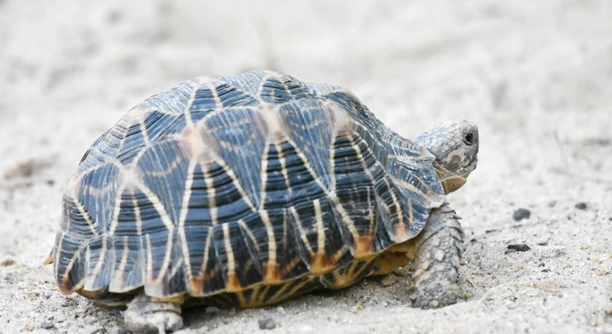
Indian Star Tortoises are fascinating creatures. However, many owners may notice their tortoises’ activity levels can drop. There are several simple ways to boost their movement and overall health. Keep reading to learn more.
To improve your Indian Star Tortoise’s activity, ensure it has an enriched environment, proper temperature, varied diet, and opportunities for exercise. Consistent interaction and a suitable habitat will help enhance its movement and encourage natural behaviors.
With the right care, your tortoise will stay active and healthy. Making small changes to their daily routine can lead to big improvements in their well-being.
Providing a Suitable Environment
An ideal habitat is crucial for your Indian Star Tortoise’s activity. Ensure that your tortoise has a large enough enclosure with spaces to explore. The enclosure should have both sunny and shaded areas, with a hiding spot for when it wants privacy. Natural materials like rocks and branches can encourage movement and climbing.
Maintaining a consistent temperature is also vital. A heat lamp will provide warmth during the day, while a cooler area will allow your tortoise to regulate its body temperature. A comfortable environment encourages exploration and helps prevent lethargy.
Adding substrate, such as coconut husk or grass, can further stimulate activity. These materials encourage digging, which is a natural behavior for tortoises. Keep the enclosure clean to avoid health issues, as a clean space promotes your tortoise’s well-being and energy levels.
Offering a Balanced Diet
Diet plays an essential role in your tortoise’s activity levels. Provide a variety of leafy greens, such as dandelion greens, kale, and collard greens. Adding some fruits occasionally helps maintain a healthy diet. Be sure to avoid excessive sugary foods.
A diet rich in fiber supports digestion and keeps your tortoise moving. Ensure your tortoise has access to fresh water at all times.
Encouraging Physical Exercise
Allow your tortoise plenty of space to roam. Providing a larger area will motivate movement, helping your tortoise stay active. Include ramps or shallow inclines in the enclosure to encourage climbing and walking. This will mimic the natural environment and stimulate muscle movement.
You can also let your tortoise explore outside under supervision. A safe, enclosed yard can provide opportunities for free movement, encouraging more exercise. Make sure the area is escape-proof and free of potential hazards. Regular outdoor time promotes better health and more active behaviors, which is essential for its overall well-being.
Rotating different enrichment items in the enclosure, such as tunnels or new objects, can also spark curiosity and movement. These additions create challenges that keep your tortoise physically active and mentally engaged, preventing boredom.
Ensuring Proper Lighting
Lighting is key to regulating your tortoise’s activity levels. UVB light is essential for your tortoise to properly absorb calcium and stay active. This light helps mimic sunlight, promoting healthier bones and overall health. Ensure the light is on for 12-14 hours daily to maintain a natural day/night cycle.
Without proper lighting, your tortoise may become sluggish or develop health issues. Over time, it can lead to a lack of appetite and decreased activity. Providing adequate lighting not only improves energy but also supports its natural rhythms. Place the light source at the right distance to avoid burns, ensuring it covers a good portion of the enclosure.
Offering Regular Social Interaction
Spending time with your tortoise encourages activity. Gently interacting with your tortoise can stimulate movement, as it becomes more comfortable with its environment. Place your tortoise in different areas occasionally to encourage exploration. Interaction will also strengthen its trust in you.
Try using a treat or favorite food to guide your tortoise around, encouraging it to move. Be gentle and patient to avoid stressing the animal, as a calm environment will result in more consistent activity. Avoid forcing the tortoise to move quickly, as this may cause discomfort or stress.
Monitoring Health
If your tortoise suddenly becomes less active, it could be a sign of a health issue. It’s important to check for any visible signs of illness or injury. Look for abnormal behavior such as lethargy or lack of interest in food.
Any changes in behavior may require a visit to the vet to rule out common health problems. Regular health checkups help maintain your tortoise’s overall well-being and prevent prolonged inactivity. Make sure to monitor its weight and appetite regularly, as these factors are good indicators of its health status.
FAQ
How much space does my tortoise need to stay active?
Tortoises need ample space to move freely. A minimum of 40 square feet is ideal for an adult Indian Star Tortoise. This gives them room to explore and keeps them mentally and physically engaged. Larger enclosures with natural elements like rocks, logs, and ramps are beneficial.
What kind of diet helps my tortoise stay active?
A balanced diet rich in leafy greens, fiber, and calcium is essential. Offer dandelion greens, kale, and collard greens, along with occasional fruits like apples or strawberries. Avoid overfeeding high-sugar fruits. A healthy diet helps keep their metabolism active and supports overall energy levels.
Can I take my tortoise outside for exercise?
Yes, outdoor exercise is a great way to boost your tortoise’s activity levels. A secure, enclosed outdoor space will allow your tortoise to move freely and explore. Ensure the area is free of predators, toxins, and areas where they could escape. Always supervise them outdoors to avoid risks.
What are the signs that my tortoise is not getting enough exercise?
Signs of low activity may include lethargy, a lack of interest in food, or a refusal to explore its environment. A tortoise that stays in one spot for extended periods may also be struggling with insufficient exercise. Regular interaction and a well-enriched environment can help prevent these issues.
Does my tortoise need UVB lighting?
Yes, UVB lighting is crucial for your tortoise’s health. It helps them metabolize calcium, which is essential for bone strength and activity. Without UVB, your tortoise may become lethargic, suffer from bone deformities, or develop other health problems. Use a proper UVB bulb, and replace it regularly.
How often should I let my tortoise exercise?
Tortoises should be allowed daily exercise, whether inside its enclosure or outside in a safe area. Aim for at least 1-2 hours of exercise daily. This helps with digestion, muscle tone, and mental stimulation. Regular activity keeps your tortoise engaged and prevents inactivity-related health problems.
What temperature should my tortoise’s enclosure be?
The temperature in your tortoise’s enclosure should range from 75°F to 85°F during the day, with a basking spot around 95°F. At night, temperatures should drop to around 70°F. Proper temperature regulation helps maintain energy levels and supports healthy activity patterns.
Can stress affect my tortoise’s activity?
Yes, stress can significantly impact your tortoise’s activity levels. Changes in the environment, excessive handling, or an unsuitable habitat can cause stress. Ensure the enclosure is calm and stable. Avoid overcrowding and sudden changes to their surroundings, and always give them time to adjust.
What do I do if my tortoise seems sick or inactive?
If your tortoise becomes unusually inactive or shows signs of illness (e.g., loss of appetite, lethargy, or difficulty moving), it’s best to consult a vet. Health issues like respiratory infections or shell problems may cause inactivity. A vet checkup ensures prompt treatment and prevents worsening of symptoms.
How can I tell if my tortoise is overweight or underweight?
To check your tortoise’s weight, feel its shell. It should be firm but not too soft. A tortoise that’s too heavy may have a rounded, puffy shell, while one that’s too light may have a more sunken or bony appearance. Monitor its diet and activity levels regularly to maintain a healthy weight.
Is it okay to handle my tortoise regularly?
Handling is fine in moderation, but avoid excessive handling as it can stress your tortoise. Gently guide your tortoise when needed, and keep interactions calm. Handling should be done with care and not force. Frequent, stressful handling may reduce activity and harm the tortoise’s well-being.
Final Thoughts
Keeping your Indian Star Tortoise active is essential for its overall health and well-being. Regular exercise and stimulation help prevent lethargy, encourage natural behaviors, and promote better digestion. Ensuring your tortoise has a large, enriched space to explore will encourage it to move around, while adding ramps, rocks, or tunnels will keep it engaged. Regular outdoor time, under supervision, can provide your tortoise with the opportunity to exercise in a natural setting. Remember that small changes in its environment can have a big impact on its energy levels.
In addition to physical exercise, proper lighting and diet are crucial factors that influence your tortoise’s activity levels. Providing UVB lighting helps with calcium absorption, preventing lethargy and bone issues. A balanced diet with high fiber, vitamins, and calcium supports your tortoise’s energy levels. Avoid overfeeding high-sugar foods, as this can lead to inactivity. Consistency in diet and lighting helps keep your tortoise’s metabolism functioning at its best, encouraging healthy movement and exploration. It’s important to regularly monitor its behavior and make adjustments as needed to keep it active and healthy.
Lastly, ensure your tortoise’s overall health by keeping an eye on signs of illness or stress. A lack of activity, loss of appetite, or a change in behavior may be signs that something is wrong. Regular check-ups with a vet are important to address any health concerns early. If your tortoise shows signs of illness, consult a vet promptly. With the right care, attention, and environment, your tortoise will stay active and enjoy a long, healthy life.

Hello,
If you enjoy the content that we create, please consider saying a "Thank You!" by leaving a tip.
Every little bit helps us continue crafting quality advice that supports the health, happiness, and well-being of pets around the world, for pets of all shapes, sizes, and species.
We really appreciate the kindness and support that you show us!