
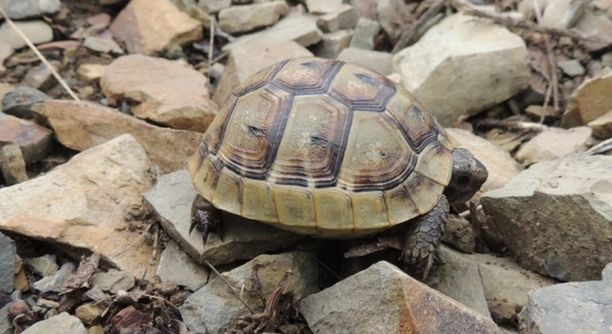
A healthy appetite is important for your Greek tortoise’s well-being, but sometimes it can be tricky to encourage them to eat. Whether they are picky eaters or seem uninterested in food, there are ways to help.
Improving your Greek tortoise’s appetite naturally involves offering a varied diet with the right balance of moisture, fiber, and nutrients. Fresh greens, edible flowers, and proper environmental conditions can stimulate their natural hunger cues and support digestion.
Understanding what to offer and how to make feeding time enjoyable will help boost your tortoise’s interest in food and contribute to their overall health.
Offer a Variety of Greens and Fresh Vegetables
Greek tortoises thrive on a variety of leafy greens and vegetables. Offering different types of greens, such as dandelion leaves, collard greens, and romaine lettuce, can keep your tortoise interested. It’s essential to rotate these greens so your tortoise doesn’t become bored with the same food. Adding a mix of vegetables like squash, bell peppers, or carrots will help provide additional nutrients while also adding some color to their meals. This variety encourages them to sample new foods, which helps stimulate their appetite.
You should avoid offering too much lettuce, as some varieties can have high water content, which isn’t ideal for digestion. Stick to more nutrient-rich greens to give them the vitamins and minerals they need.
Providing a mix of greens and vegetables will give your tortoise a balanced diet that keeps them healthy and excited about mealtime. By offering new options consistently, you’ll see them eagerly explore their food bowl and get the nutrients they require.
Consider Edible Flowers and Herbs
Edible flowers and herbs can provide extra flavor and variety for your tortoise. Try offering dandelion flowers, clover, or hibiscus petals. These flowers are not only nutritious but also enticing to your pet.
Adding herbs like basil, parsley, or oregano can make food more appealing. The smell and flavor of fresh herbs are often enough to catch their attention and encourage them to eat. Many tortoises enjoy the aromatic nature of these plants, which can boost their appetite.
Ensure Proper Hydration
Hydration is essential for stimulating appetite. A dehydrated tortoise may not show interest in food, so always ensure fresh water is available. A shallow dish works best, as tortoises prefer to drink from a low, wide container.
You can also mist your tortoise’s food or provide leafy greens with a higher water content. Hydrated food is more appealing and easier for them to digest. If your tortoise isn’t drinking enough water, it could affect their eating habits and overall health.
Offering hydrated food alongside a fresh water source will support proper digestion and encourage your tortoise to eat. Keeping them hydrated is a simple but effective way to improve their appetite.
Maintain a Proper Temperature and Lighting
Tortoises rely on heat and proper lighting to stimulate their appetite. If the temperature is too low, their metabolism slows down, leading to less interest in food.
Providing a basking spot with temperatures between 85-95°F and using UVB lighting will mimic natural conditions and help regulate your tortoise’s appetite. Exposure to UVB light is crucial for calcium metabolism, which directly impacts their hunger cues. Keeping the environment warm and well-lit will help your tortoise feel more active and ready to eat.
Offer Treats Occasionally
Sometimes, offering treats can stimulate a tortoise’s appetite. Safe treats, like strawberries, apples, or grapes, can encourage them to eat. However, they should be given in moderation to avoid upsetting their diet balance.
Using treats occasionally also allows you to track your tortoise’s preferences. If they seem interested in a particular fruit or vegetable, incorporate it more regularly into their meals. This will keep them engaged and encourage better eating habits.
Avoid Overfeeding
Overfeeding can cause your tortoise to lose interest in food. If they’re constantly fed large amounts of food, they might become less motivated to eat.
Instead, offer small portions and remove any leftover food after a few hours. This will encourage your tortoise to eat when food is available and avoid wasted meals. Keep portions consistent and avoid the temptation to overfeed, as it can affect their appetite and overall health.
FAQ
How can I tell if my Greek tortoise is not eating enough?
If your tortoise is eating less than usual, it might be a sign of an underlying issue. Look for signs like weight loss, lethargy, or an overall lack of interest in food. If these symptoms persist, it’s important to check their environment, diet, and overall health. You might need to adjust their habitat or offer more appealing foods.
Can stress affect my tortoise’s appetite?
Yes, stress can impact your tortoise’s appetite. Changes in their environment, such as moving to a new tank or handling them too often, can cause stress. Ensure they have a quiet and safe space to eat, and avoid unnecessary handling. Stress can lead to decreased food intake, so maintaining a calm environment is key.
What should I do if my tortoise is not eating at all?
If your tortoise refuses to eat for an extended period, you should consult a vet. Loss of appetite can be caused by illness, injury, or improper habitat conditions. Make sure your tortoise’s environment is warm, well-lit, and stress-free. The right temperature and diet are essential for encouraging them to eat.
How long can a Greek tortoise go without eating?
Generally, a healthy tortoise can go without food for a few days to a week. However, this depends on the individual, their age, and overall health. A younger tortoise or one that is already ill should not be left without food for extended periods. Prolonged lack of food can lead to dehydration, weakness, and other health issues.
Can I feed my tortoise fruits every day?
Fruits should be fed in moderation. While they are tasty and can help stimulate appetite, they are high in sugar and can lead to digestive issues if offered daily. A healthy balance of vegetables and greens should be the focus, with fruits given occasionally as a treat.
How do I encourage my tortoise to eat more vegetables?
Try offering a variety of fresh, nutrient-rich vegetables like dandelion greens, kale, or collard greens. Adding herbs like basil or parsley can also make the vegetables more appealing. Changing up the texture by chopping the vegetables into different shapes or lightly misting them with water may make them more enticing.
Why is my Greek tortoise eating but still losing weight?
If your tortoise is eating but still losing weight, it could indicate a health issue such as parasites, digestive problems, or improper nutrition. A lack of essential vitamins or minerals can lead to weight loss despite food intake. Consult with a veterinarian to rule out any medical concerns.
Can I feed my tortoise lettuce?
Yes, but be cautious. Lettuce should be given in moderation and only in small amounts. Iceberg lettuce, in particular, has little nutritional value and can cause diarrhea due to its high water content. Opt for darker, more nutrient-dense varieties like romaine or leaf lettuce.
Is it okay to feed my tortoise only one type of food?
It’s best to offer a variety of foods to ensure your tortoise gets a balanced diet. Relying on just one type of food, such as only greens or fruits, may cause nutritional deficiencies. A mix of vegetables, greens, and occasional treats helps provide the necessary nutrients for a healthy tortoise.
How do I know if my tortoise is dehydrated?
Signs of dehydration in tortoises include sunken eyes, dry skin, and lack of appetite. If your tortoise’s shell feels soft or wrinkled, they may be dehydrated. Make sure fresh water is always available, and offer hydrated food like misted vegetables to support their hydration needs.
Can temperature changes affect my tortoise’s eating habits?
Yes, sudden temperature changes can cause your tortoise to stop eating. If the temperature drops too low or rises too high, it can affect their metabolism and digestion. Make sure to maintain a consistent temperature within the recommended range of 85-95°F for basking areas to keep your tortoise comfortable and hungry.
Should I be worried if my tortoise is not eating in winter?
Some tortoises naturally eat less or go into a semi-dormant state during colder months. However, this is typically a sign of hibernation, not illness. If your tortoise is still active but not eating, consult a vet to rule out other issues. It’s important to monitor their hydration during this time.
What kind of food should I avoid feeding my tortoise?
Avoid feeding your tortoise processed foods, dairy products, and foods that are high in fat or sugar. Foods like spinach, rhubarb, and avocado should also be avoided, as they can be toxic to tortoises. Stick to fresh greens, vegetables, and fruits that are safe for tortoises.
Can I feed my tortoise the same food every day?
It’s important to vary your tortoise’s diet. Feeding the same food every day can lead to nutrient imbalances. Incorporate different greens, vegetables, and occasional fruits to ensure they receive a broad range of vitamins and minerals. Regularly changing the food offerings will also keep mealtime interesting for your tortoise.
How do I know if my tortoise is eating enough?
You can determine if your tortoise is eating enough by monitoring their weight, behavior, and overall condition. Healthy tortoises should have steady growth or maintain a healthy weight. If they appear lethargic, underweight, or have visible signs of malnutrition, it could indicate they’re not eating enough.
Final Thoughts
Improving your Greek tortoise’s appetite doesn’t have to be complicated. By making simple changes to their diet and environment, you can encourage better eating habits. Offering a variety of safe foods, adjusting the temperature, and reducing stress are effective ways to support your tortoise’s health. Pay attention to their behavior and make small adjustments to see what works best for them.
Remember, the key to a healthy tortoise is consistency. Stick to a balanced diet with fresh greens, occasional fruits, and a mix of vegetables. Be sure to provide plenty of fresh water and a comfortable, safe habitat. Regularly monitor their weight and overall well-being to ensure they’re eating enough and staying hydrated. Small adjustments in their care routine can go a long way in boosting their appetite and overall health.
If you notice any significant changes in your tortoise’s eating habits or behavior, don’t hesitate to consult with a veterinarian. While appetite issues can often be addressed with simple adjustments, underlying health problems may require professional attention. Keep an eye on your tortoise’s habits, and always prioritize their comfort and nutrition.

Hello,
If you enjoy the content that we create, please consider saying a "Thank You!" by leaving a tip.
Every little bit helps us continue crafting quality advice that supports the health, happiness, and well-being of pets around the world, for pets of all shapes, sizes, and species.
We really appreciate the kindness and support that you show us!