
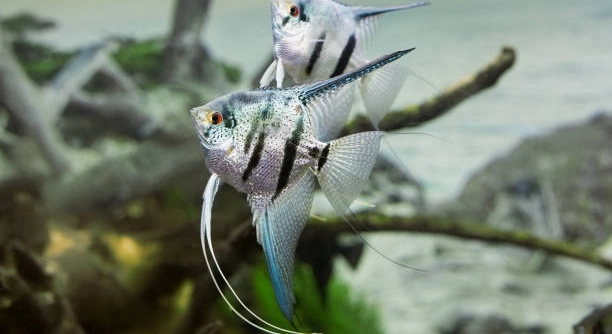
Angelfish are popular aquarium pets, known for their elegant appearance and peaceful demeanor. However, keeping them healthy and thriving requires attention to several aspects of their care. Ensuring their well-being is key to their longevity.
Improving your angelfish’s well-being involves regular water changes, proper tank setup, optimal feeding practices, and controlling tank mates. Maintaining a stress-free environment, monitoring water quality, and addressing health concerns promptly are essential for their overall health.
Small changes in their environment can make a big difference in your angelfish’s happiness and health. Learn how simple adjustments can benefit their well-being.
Proper Tank Setup for Angelfish
A well-set-up tank is crucial for the health of your angelfish. Start with a tank that’s large enough for them to swim freely—at least 20 gallons for a small group. Add plants and decorations, but avoid overcrowding. Angelfish appreciate a tank with a gentle water flow and plenty of hiding spots. This setup reduces stress and helps them feel secure in their environment.
Creating a comfortable space for your angelfish isn’t difficult. Use soft, rounded substrates and avoid sharp objects that could harm them. Proper filtration will help keep the water clean and ensure the right conditions for their well-being.
Temperature and pH levels also play an important role. Angelfish prefer warmer water, usually between 75-82°F. Maintaining stable conditions prevents stress and promotes overall health. If the water is too cold or fluctuates frequently, your angelfish may become more susceptible to illness. Consistent care of these details can make all the difference.
Choosing the Right Diet
Feeding your angelfish a balanced diet helps them stay healthy. They thrive on high-quality flakes, pellets, and occasional live or frozen food.
Angelfish are omnivores and enjoy a mix of protein and vegetables. Providing variety in their diet helps meet their nutritional needs and prevents health issues.
Water Quality Maintenance
Clean water is essential for angelfish health. Regular water changes are necessary to prevent waste buildup.
Change 25-30% of the tank water every two weeks to keep it fresh. Invest in a reliable filter to help maintain stable water quality between changes. Test the water regularly for ammonia, nitrites, and nitrates. If levels rise too high, it could lead to illness or stress for your angelfish. Proper maintenance will prevent harmful water conditions and keep your fish safe.
Ensure the water temperature stays within the right range. Angelfish thrive in temperatures between 75°F and 82°F. Use a reliable heater and thermometer to maintain consistency.
Tank Mate Compatibility
When choosing tank mates for your angelfish, consider their temperament.
Angelfish are peaceful, but they can be territorial, especially during breeding. Avoid housing them with overly aggressive fish. Peaceful species like tetras, gouramis, and catfish work well with angelfish. Keep in mind, the size and behavior of tank mates play a role in their compatibility.
Adding too many fish to the tank can lead to overcrowding and stress. Make sure each fish has enough space to swim and establish its territory. Avoid placing fin-nipping species, as this can cause injury and discomfort to your angelfish.
Stress Reduction for Angelfish
Stress can negatively impact angelfish health.
Angelfish thrive in calm, stable environments. Sudden changes in the tank or aggressive tank mates can lead to stress. Keep noise and disturbances around the tank to a minimum. If your fish appear stressed, check the water quality and tank setup.
Consider the lighting as well. Too bright or constant lighting can stress your angelfish. Use a timer to create a natural light cycle, allowing your fish to rest at night.
Regular Health Checks
Regular health checks help detect issues early.
Look for signs of illness such as abnormal swimming, lack of appetite, or discoloration. Treating problems early can prevent serious complications.
Maintaining good water quality and proper feeding habits lowers the chance of health issues. Always be mindful of their behavior and appearance for any changes.
Breeding Considerations
Breeding angelfish requires careful attention.
Ensure your angelfish have enough space to spawn and feel safe. The tank should have areas for the eggs to attach, like flat surfaces or plants. Keep the water quality high to support the breeding process.
FAQ
How often should I change the water in my angelfish tank?
Water changes are important to maintain healthy conditions. Change 25-30% of the water every two weeks. If you have a heavily stocked tank or notice water quality issues, increase the frequency to once a week. Regular water changes prevent the buildup of waste and harmful chemicals like ammonia and nitrates, keeping your angelfish healthy.
What is the ideal water temperature for angelfish?
Angelfish thrive in water between 75°F and 82°F. Maintaining a stable temperature is crucial, as drastic fluctuations can stress the fish and make them susceptible to illness. Invest in a good aquarium heater to keep the temperature consistent.
What should I feed my angelfish?
Angelfish are omnivores and need a balanced diet. Offer a variety of foods, including high-quality flakes, pellets, and occasional live or frozen food like bloodworms or brine shrimp. A varied diet ensures they get the necessary nutrients to stay healthy. Feed them small amounts 2-3 times per day to avoid overfeeding.
Can I keep multiple angelfish together?
Yes, angelfish can live in pairs or small groups, but you need to provide enough space. They are territorial, especially during breeding. It’s best to have a tank that is at least 20 gallons for a small group. Monitor their behavior, as some may become more aggressive during the breeding season.
What are the signs of stress in angelfish?
Signs of stress in angelfish include abnormal swimming patterns, lack of appetite, hiding, or faded colors. Stress can be caused by poor water quality, aggressive tank mates, or sudden changes in the environment. If you notice these signs, check the water parameters and tank setup to address potential issues.
How can I tell if my angelfish is sick?
Sick angelfish may display unusual behavior such as erratic swimming, rubbing against objects, or staying near the bottom of the tank. You may also notice physical changes, like white spots on the body, fins clamped to the body, or swelling. If these symptoms appear, isolate the sick fish and consult a vet or aquarium professional for treatment.
What kind of tank mates can I keep with angelfish?
Angelfish are peaceful but can be territorial, especially during breeding. Tank mates should be calm and not aggressive. Suitable companions include tetras, catfish, and gouramis. Avoid keeping angelfish with fin-nipping species or very small fish that could be seen as prey. Always ensure your tank has enough space for all fish to establish territories.
Can angelfish live with other types of cichlids?
Angelfish can live with other cichlids, but it depends on the species. Some cichlids are more aggressive and may not be compatible with angelfish. It’s best to choose peaceful cichlids with similar care requirements and monitor their behavior closely. Avoid pairing angelfish with highly territorial cichlids, as this could lead to conflict.
What is the lifespan of an angelfish?
With proper care, angelfish can live between 10 to 15 years. Maintaining good water quality, a balanced diet, and a stress-free environment will help maximize their lifespan. Regular health checks and timely treatments for any illnesses also contribute to a longer, healthier life.
How do I breed angelfish?
To breed angelfish, you need a breeding pair and a suitable environment. Ensure the tank has flat surfaces like rocks or plants where the female can lay eggs. Maintain excellent water quality, and keep the temperature around 80°F. The parents will guard the eggs until they hatch. After hatching, the fry can be fed infusoria or finely crushed flakes until they grow large enough to eat other foods.
Why is my angelfish not eating?
If your angelfish isn’t eating, it could be due to stress, poor water quality, or illness. Check the water parameters, and ensure the tank environment is comfortable. If the fish continues to refuse food, observe for signs of illness and consult an aquarium professional for advice. Sometimes, a change in diet or introducing live food can encourage them to eat.
Are angelfish aggressive?
Angelfish are generally peaceful but can become aggressive when they are stressed, territorial, or breeding. Males can be particularly aggressive towards other males during the breeding season. To reduce aggression, ensure the tank is large enough for the fish to establish territories, and avoid keeping them with overly aggressive species.
Can I keep angelfish with bettas?
Bettas are not recommended as tank mates for angelfish. Betta fish are known for their aggression, especially towards other long-finned fish like angelfish. The betta may become territorial and attack the angelfish, leading to stress or injury. It’s better to keep them in separate tanks or choose more compatible tank mates.
How do I prevent disease in angelfish?
To prevent disease, maintain clean water and a stable tank environment. Quarantine new fish before introducing them to your main tank to avoid introducing parasites. Regularly check for signs of illness, such as unusual behavior or physical changes. Also, avoid overcrowding and ensure your angelfish are not exposed to stressful conditions.
Final Thoughts
Caring for angelfish requires attention to detail and consistency. By providing a suitable environment, regular maintenance, and proper care, you can ensure your angelfish stay healthy and thrive. A balanced diet, stable water conditions, and compatible tank mates are crucial factors in their well-being. Monitoring water quality regularly and changing the water every couple of weeks will help maintain a clean and safe environment. This reduces the chances of illnesses and helps prevent stress in your fish.
Understanding the specific needs of your angelfish is key to keeping them happy. While they are relatively easy to care for, they do require a little extra attention compared to some other aquarium fish. The right water temperature, proper filtration, and appropriate tank size are all factors that should be kept in mind. Additionally, it’s important to observe their behavior regularly. Early detection of any changes or signs of illness will help address problems before they become serious. Keeping an eye on your angelfish’s activity level, eating habits, and overall appearance can guide you in providing the best care possible.
Lastly, enjoy the experience of caring for these unique and beautiful fish. Watching them swim gracefully and interact with their environment can be incredibly rewarding. Over time, you’ll develop a deeper understanding of their needs and behavior. This connection can enhance your experience as a fish keeper, making the care process more fulfilling. With proper attention, your angelfish can live a long, healthy life and add a peaceful, vibrant touch to your aquarium.

Hello,
If you enjoy the content that we create, please consider saying a "Thank You!" by leaving a tip.
Every little bit helps us continue crafting quality advice that supports the health, happiness, and well-being of pets around the world, for pets of all shapes, sizes, and species.
We really appreciate the kindness and support that you show us!